The CMP Review — Week of December 1
December 1, 2025
Every year my kids and I forage around our property for greenery to make our Advent wreath. It looks different each year, with the kids adding their own special touches.
We also choose a book to read during Advent. This year it’s The Christmas Mystery by Jostein Gaarder. It’s our first time reading it, and we only just started, so I don’t know much about it yet.
Have you read it? Do you have a special book you read for Advent or any traditions you’d like to share?
@tessakeath
December 2, 2025
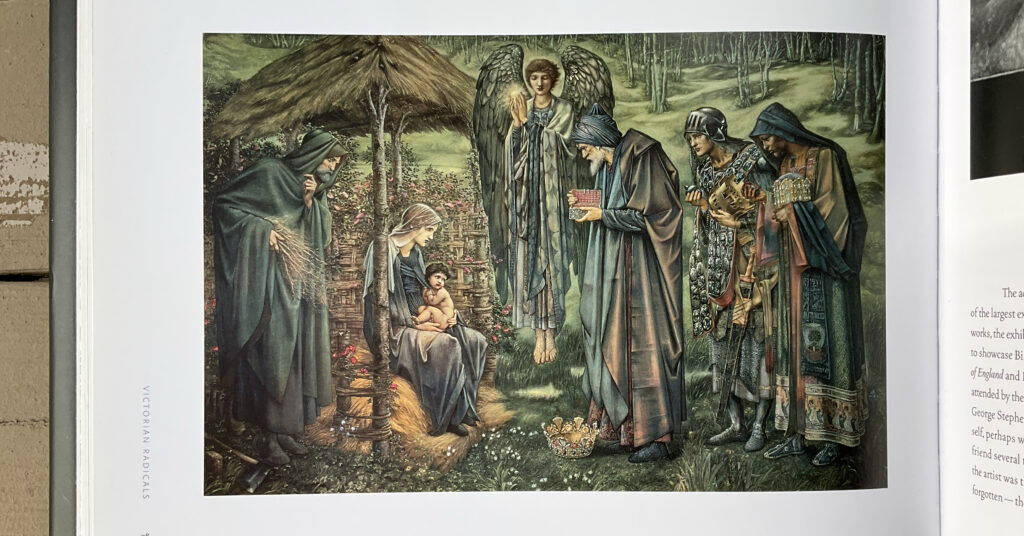
Elizabeth Steer, a Charlotte Mason College student of 1940, summarized the heart of a Charlotte Mason education: “She [Mason] thought out a logical scheme of pedagogy. It all started with her Christian beliefs in the Bible and from there… she wrote out her philosophy based on that.”
The quiet season of Advent is a wonderful time to return to the source of Miss Mason’s philosophy. It all begins with the revelation of God in Christ. Few in Mason’s inner circle understood this better than her friend Rev. Francis Lewis.
In this first week of Advent we share Lewis’s powerful 1924 Parents’ Review article entitled “The Manifestation of Christ in Worship.” It was published once for the Charlotte Mason community of his generation. Today we share this piece for the first time to the Charlotte Mason community of today. Find it here.
@artmiddlekauff
December 3, 2025


One of the cool things about learning watercolor brush drawing for your nature journal is that all the natural elements can be applied to painting a festive winter wreath.
Read about hosting a wreath painting party and watch my tutorial on how to paint a winter wreath in this month’s COMFORT bundle from Wild + Free with gorgeous images by @aolander
@rbaburina
December 4, 2025
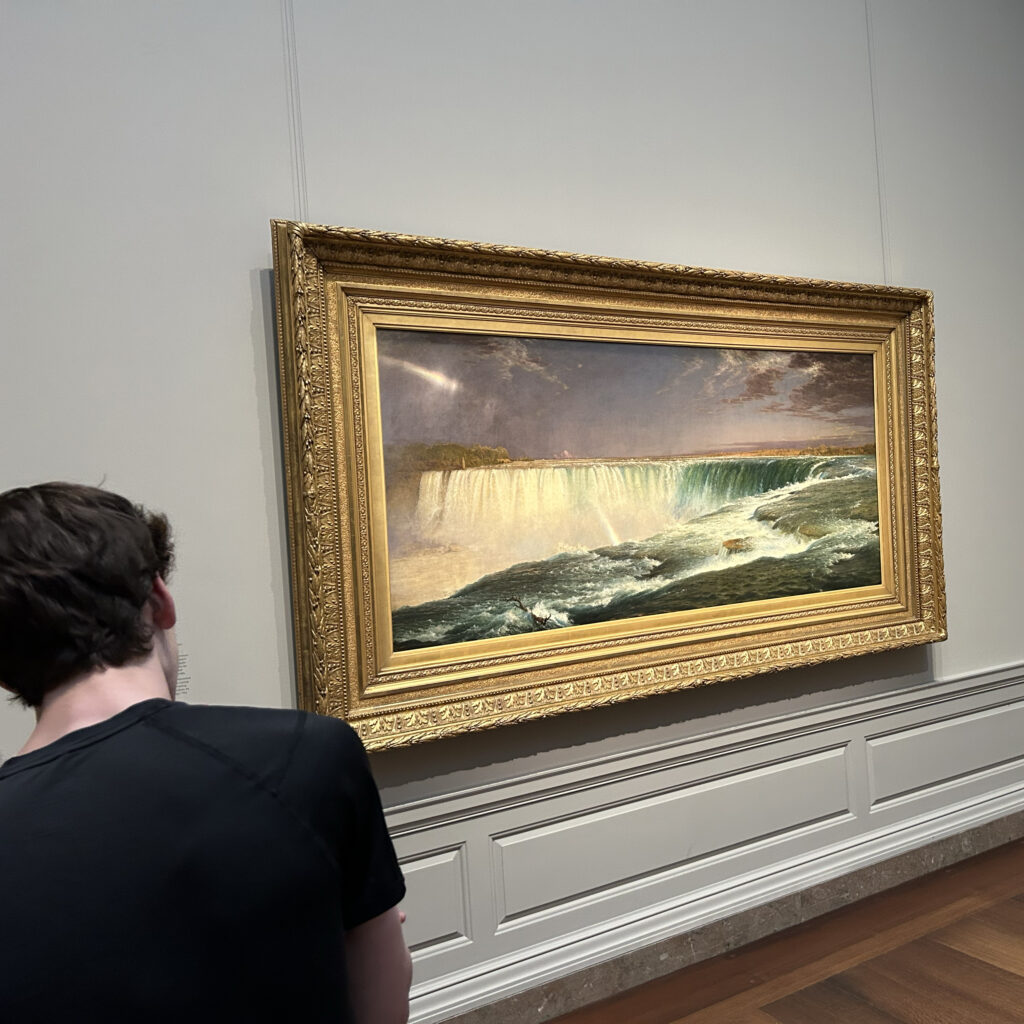
When you’re part of a family that’s been doing picture study your whole life, it’s interesting when your history book talks about art. My son recently read this passage in Paul Johnson’s A History of the American People:
[Edwin Church] then decided to tackle the great showpiece of American topography, the Niagara Falls… He chose the Canadian angle of the Falls with tremendous skill, made six prolonged visits, produced hundreds of sheets of drawings and twenty-one major oil sketches. The final painting, 7 1/2 feet wide, took him six weeks and was specially exhibited on May 1, 1857 in Manhattan… It proved to be the most successful picture ever shown in the United States by far and later went on a tour of Europe. Ruskin hailed it as ‘the coming of age of American art.’
By reading these words, my son was learning about an old friend: this was already his favorite painting.
Last weekend we saw it again at the National Gallery of Art. The caption on the wall by its side included this line:
[Church’s] detailed painting combines frothing waves and water sheeting over rock surfaces. As one writer described the painting in 1857, “This is Niagara, with the roar left out!”
Standing before those words my son turned to me. “How could anyone say that?” he asked. “How could someone look at this painting and not hear the roar?”
I had no answer for him. All I could do was breathe a silent prayer thanking God that eyes can hear.
@artmiddlekauff
December 5, 2025
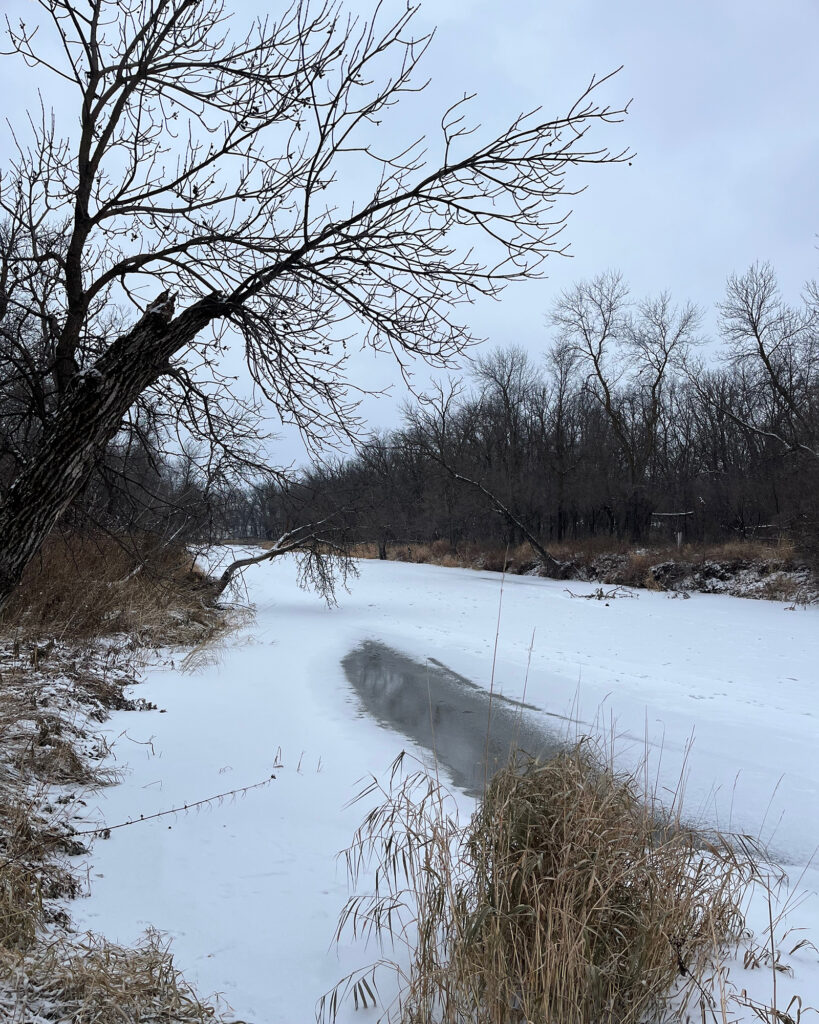
This is the river at the bottom of our toboggan hill.
We’ve have a super slow start to winter and we’re obviously not able to sled here yet!
With the falling of the first few centimetres of snow, the younger children in the neighbourhood, out of sheer desperation, have been sledding down a large woodchip pile on a campus maintenance yard.
Winter kids need winter fun!
Tell us what seasonal things you have going on.
@antonella.f.greco
December 6, 2025
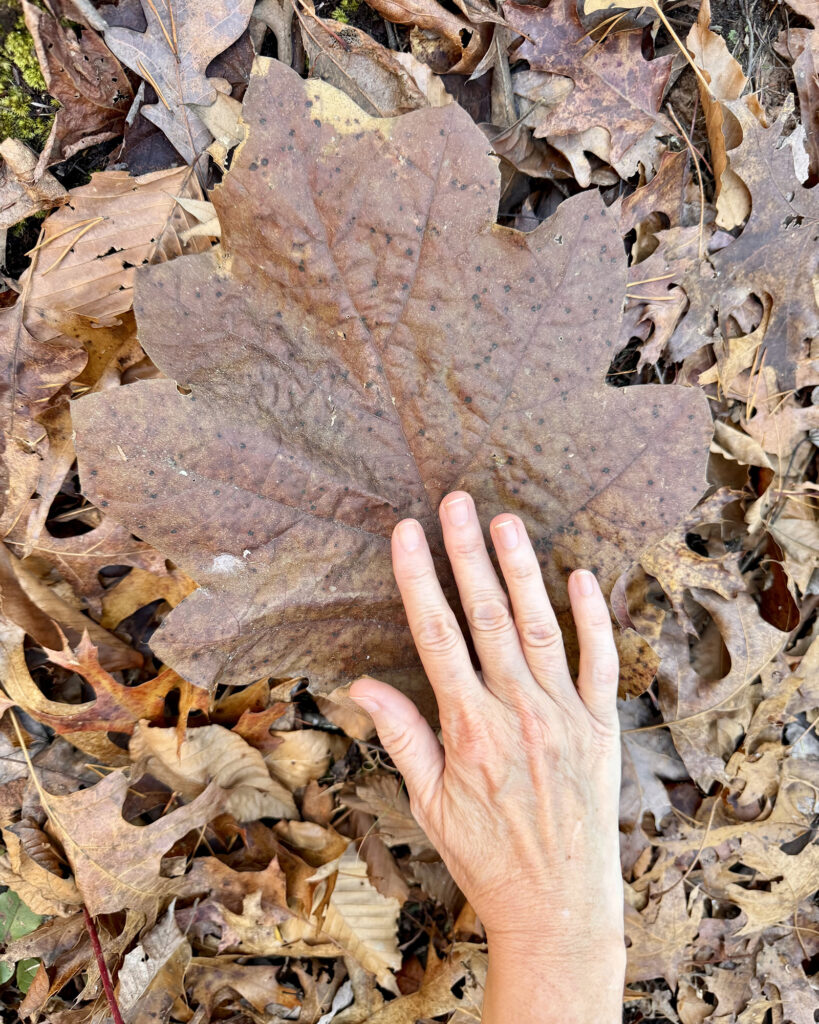
Mighty oaks from little acorns grow. ~Chaucer
Can you believe the size of this Black Oak leaf?!
If you’re in need of inspiration for your winter nature walks, check out “A Walk in December” by Florence Haines from The Changing Year.
@rbaburina
December 7, 2025
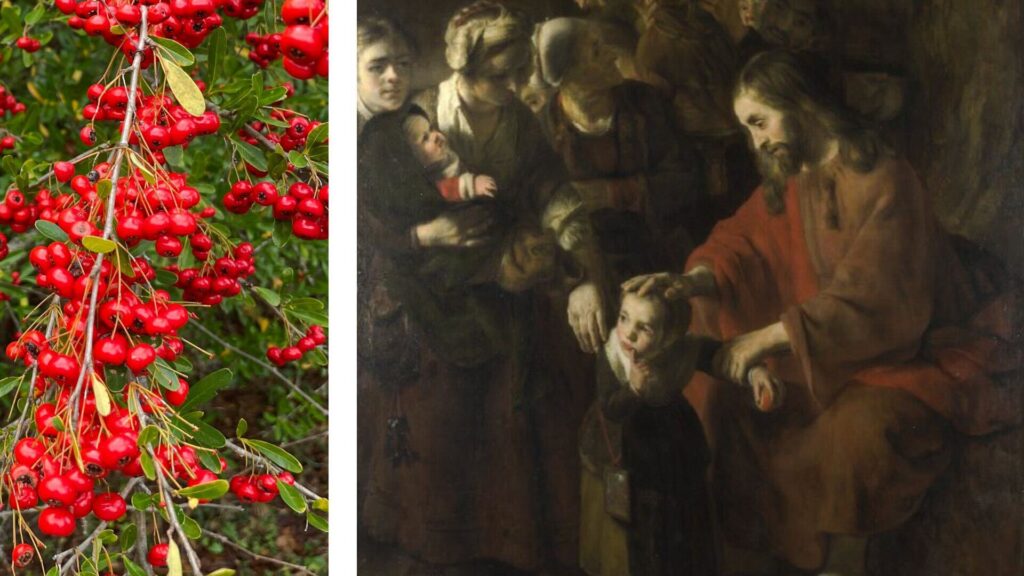
“It may surprise parents who have not given much attention to the subject to discover also a code of education in the Gospels, expressly laid down by Christ.”
Few sentences have impacted me more in my decades of study of Charlotte Mason’s words. For here we have a “captain idea”: that we see our children the way Christ sees them.
“The most fatal way of despising the child falls under the third educational law of the Gospels; it is to overlook and make light of his natural relationship with Almighty God. ‘Suffer the little children to come unto Me,’ says the Saviour, as if that were the natural thing for the children to do, the thing they do when they are not hindered by their elders.”
In these timeless and heart-rending words, Mason points us to Matthew 19. She vividly urges us to set no hindrances in the path of our daughters and sons.
Sadly, in her six volumes of published poetry on the Gospels of Christ, she did not reach Matthew 19. We never knew what poetic meditation she would have on this wonderful passage.
Until handwritten pages were found in a file. On one of which was Mason’s poem on the third educational law of the Gospels: Hinder not. The poem was discovered so that it could be read. See or hear it here.
@artmiddlekauff
🖼️: Christ Blessing the Children by Nicolaes Maes