The CMP Review — Week of December 8
December 8, 2025
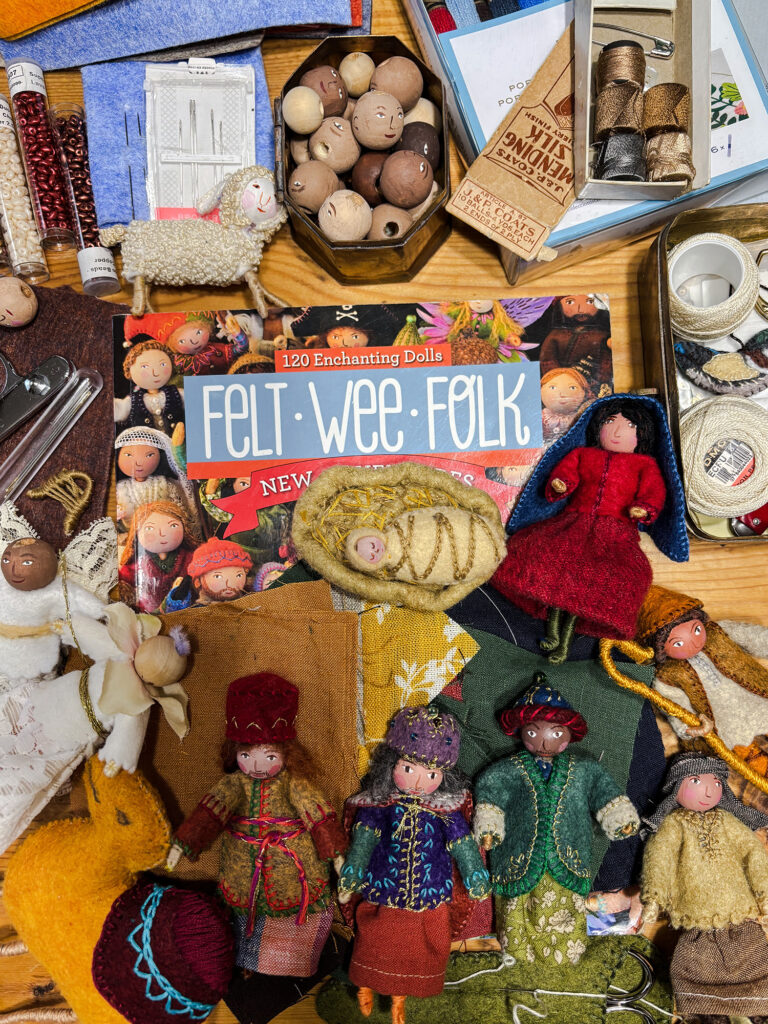
For the past several years my children and I have been working on a nativity set following the book Felt Wee Folk: New Adventures by Sally Mavor. It’s a project we only work on as the mood strikes in the weeks leading up to Christmas. Some years we make more progress than others.
I love pulling them out each year and seeing the tiny, childlike stitches made years ago from when my bigger kids were little. It has been a slow craft and a gentle tradition that warms my heart. A quiet reminder of the wonder of Christmas, made by little hands.
@tessakeath
December 9, 2025
Critical thinking: it’s a skill that we want our children to have, and it’s a skill that’s in short supply.
When employers were surveyed in 2021 about which skills they valued most in prospective employees, teamwork and critical thinking led the list. But these employers also reported that recent graduates tended to fall short in this skill — more than in any other skill they highlighted.
In 1922, H. W. Household noted a similar problem in his day. “Few people see the truth of things, or really try to find it,” he wrote. “They are contented to hold opinions which are rooted in prejudice.”
But Household was not merely airing a complaint. He was proposing a solution. Writing for the popular journal The Contemporary Review, he argued that Charlotte Mason had the answer.
Read or hear Household’s vintage argument for a Charlotte Mason education — an argument that speaks to a skill gap that we still face today. Find it here.
@artmiddlekauff
December 10, 2025
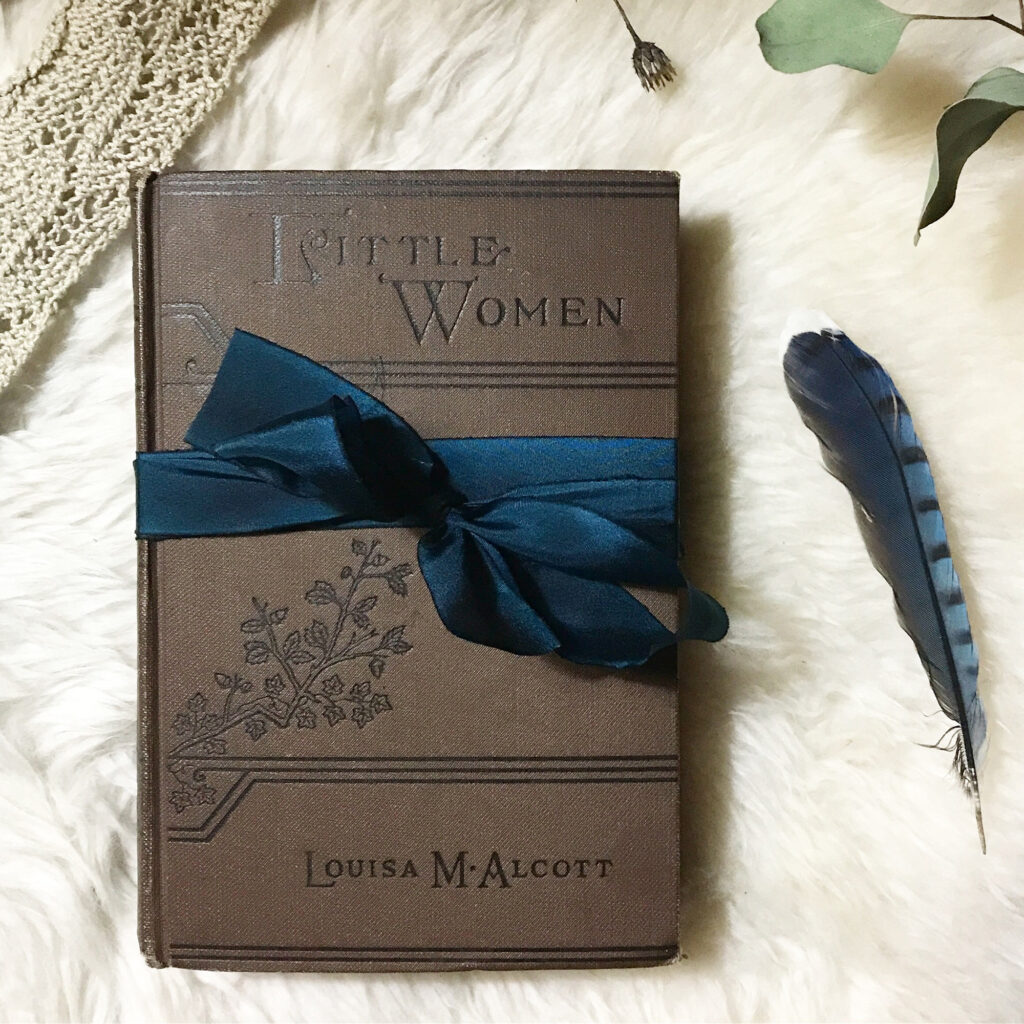
If you’re looking for a new Christmas read this year, you might try Little Women.
Chapter 1 opens on Christmas Eve Day with Christmas Morning arriving in Chapter 2. Throughout the book, Christmas marks the passage of time in both moving and humorous ways until its culmination with a very special Christmas celebration.
@rbaburina
December 11, 2025
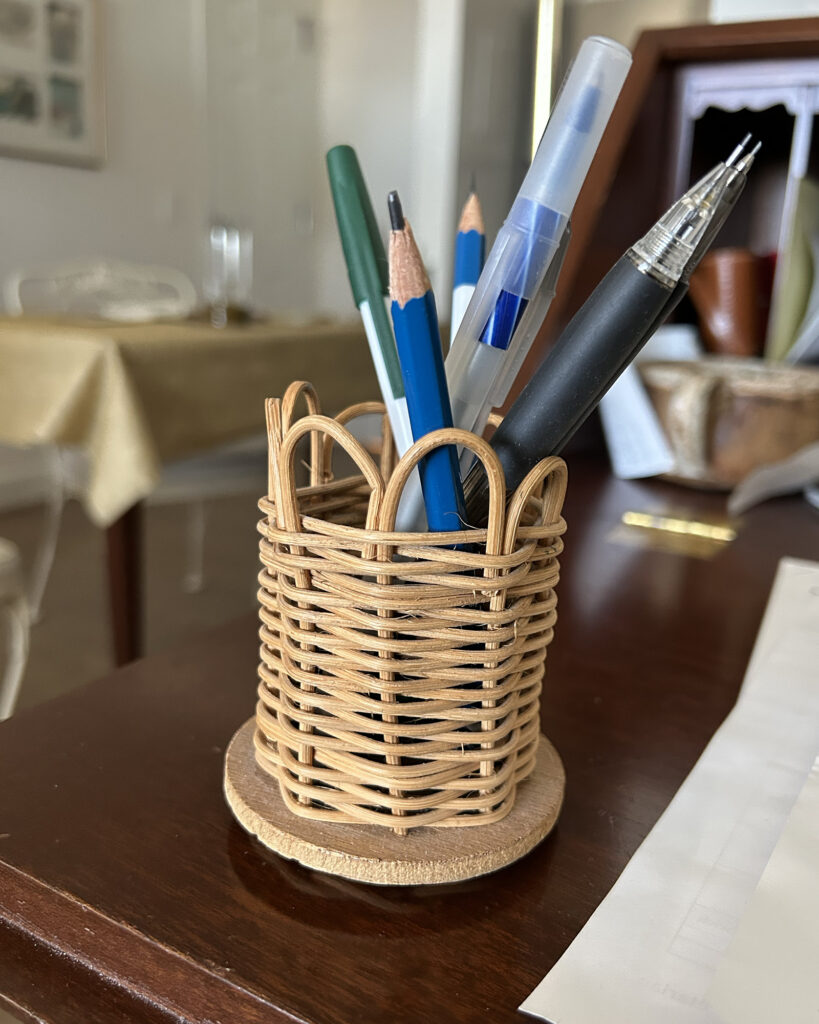
One of my rare experiences with handicrafts as a child was at a school or a summer camp. We were to weave small baskets. They were supposed to fan out and upwards like a bowl. I grasped the weaving part, but my inexperienced hands and mind could not grasp the part about fanning outwards. My little basket ended up straight as a can.
In Home Education, Charlotte Mason writes, “The points to be borne in mind in children’s handicrafts are: (a) that they should not be employed in making futilities such as pea and stick work, paper mats, and the like; (b) that they should be taught slowly and carefully what they are to do; (c) that slipshod work should not be allowed; (d) and that, therefore, the children’s work should be kept well within their compass.”
When I looked at the completed projects of the other children, and notably that of my older brother, I saw that I had failed miserably. I recall that my slipshod piece earned a few dismissive laughs from my peers.
I brought my piece home to my mother who received it without question. What was supposed to be a bowl became for her a pencil holder.
Over Thanksgiving I visited my mother. I was struck by the sight of her pencil holder. I knew that it was fifty years old, and that it was made by me.
It is a lesson for me in handicrafts. That work was no futility. It was more or less within my compass. But was it slipshod? I see how much that rests in the eyes of the beholder. My craft has served my mother for a half-century, and her unquestioned acceptance of it spelled the difference for me between shame and joy.
Our responses can spell the same difference to any child who entrusts their work to our care.
@artmiddlekauff
December 12, 2025

Finally, some good and proper snow!
It’s always an adventure to walk where only the deer and rabbits have trodden. (And maybe a mouse or two!)
@antonella.f.greco
December 13, 2025

Burrs are always so captivating to me! I don’t know why. It must be their staying power and stick-to-it-ness!
I always enjoy stopping to look at them. And with their snowy coats, they are even better!
@antonella.f.greco
December 14, 2025
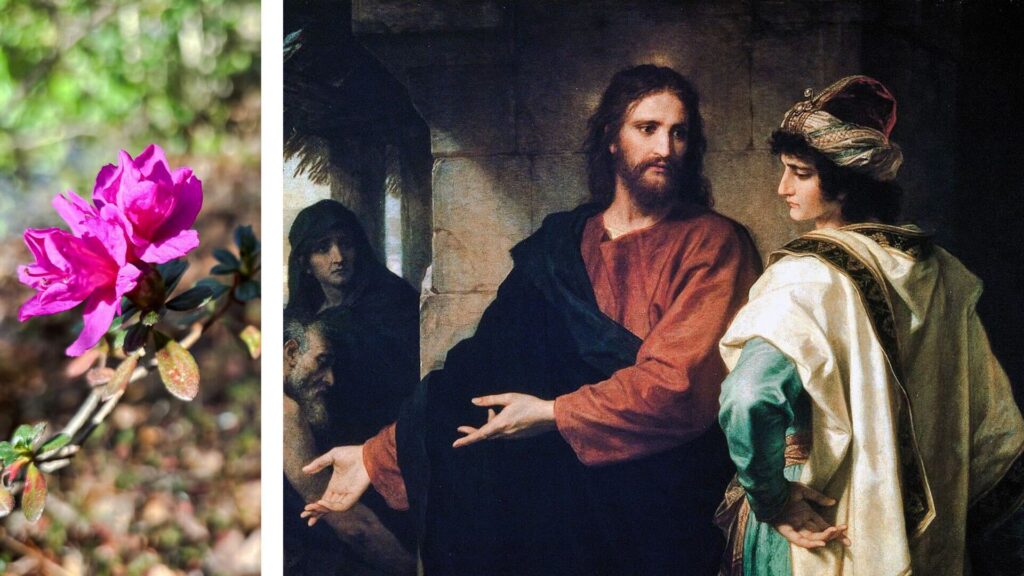
When presenting her motivation for writing poems about the life of Christ, Charlotte Mason explained:
Again, the supreme moment of a very large number of lives—that in which a person is brought face to face with Christ—comes before us with great vividness in the gospel narratives; and it is possible to treat what we call dramatic situations with more force, and, at the same time, more reticence, in verse than in prose.
One person who was brought face to face with Christ was a rich young ruler, described in the Gospels of Matthew, Mark, and Luke. In that dramatic situation, the man was “discovered to himself, aware for the first time.” Mason wanted to treat that situation, and poetry would do better than prose. Find out for yourself here.
@artmiddlekauff
🖼️: Christ and the Rich Young Ruler by Heinrich Hofmann