The CMP Review — Week of January 12
January 12, 2026
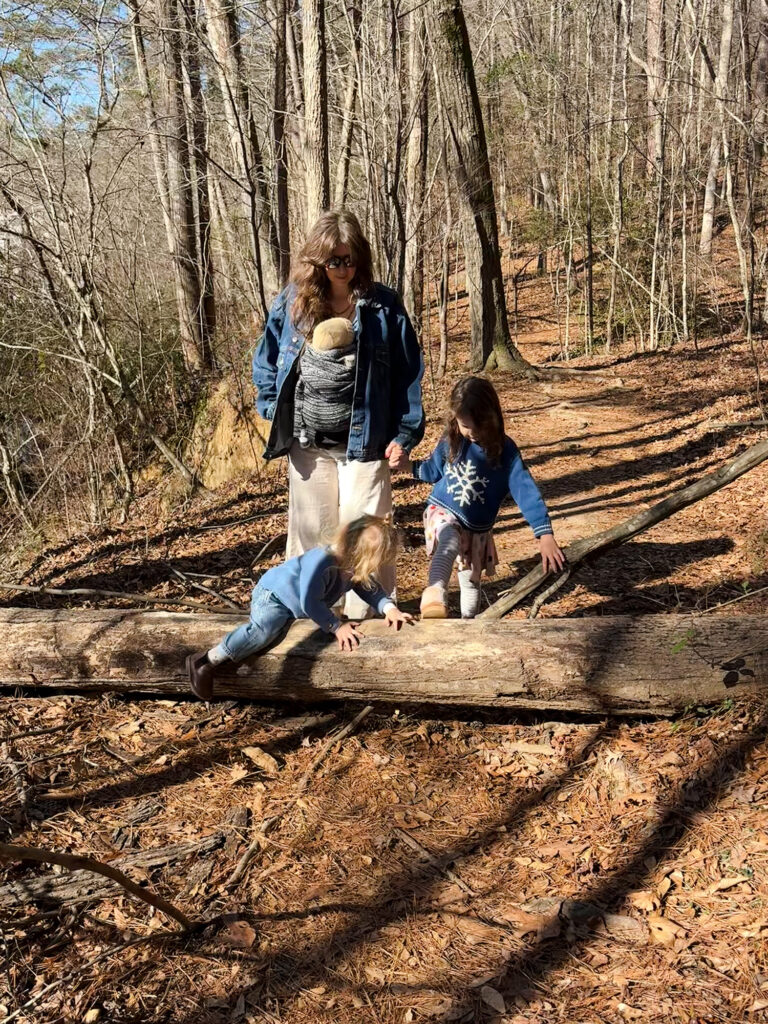
“Most of the time of the Nursery Folk is spent out-of-doors, and rightly so. Therefore it is quite an easy thing to help them to be friends with Mother Nature.” (J.R. Smith, Nature in the Nursery, PR28)@tessakeath
January 13, 2026
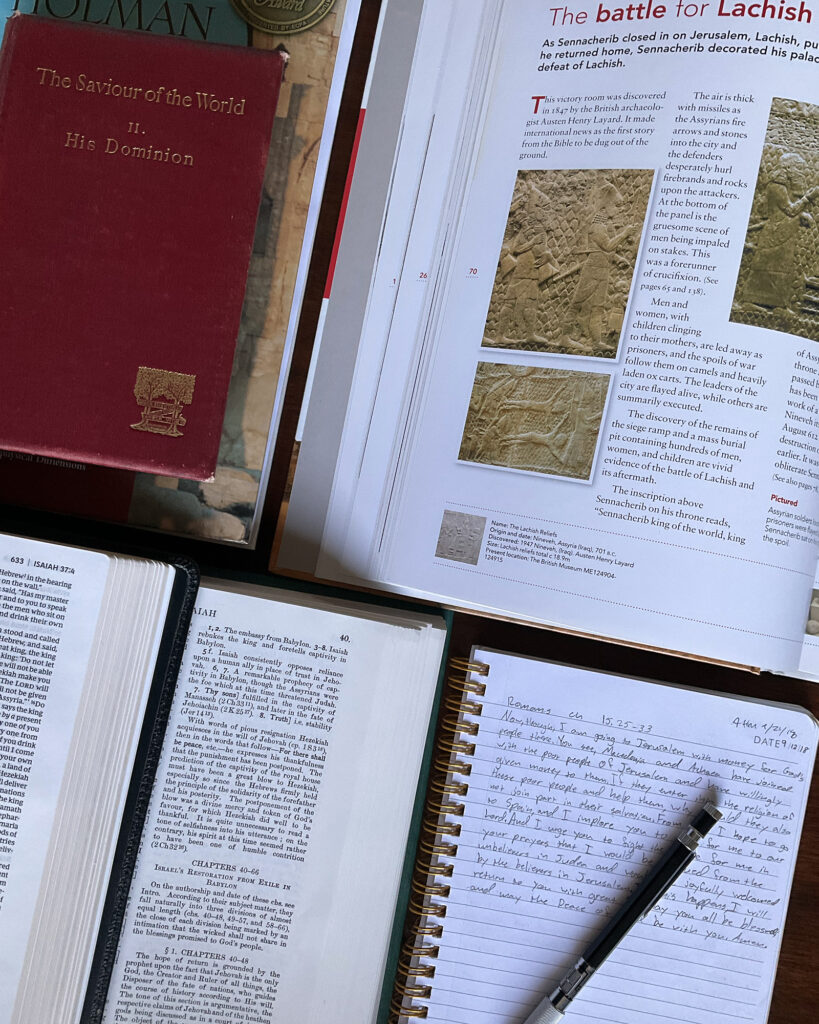
“Religion,” wrote Rose Amy Pennethorne, “cannot be taught, as it is a matter of faith, practice and experience.” Scripture, on the other hand, can and should be taught. “Private interpretation is a fruitful source of private difficulty,” she warned, and so “scripture reading should be combined with scripture teaching.”
Pennethorne wrote these words in her first year as Organising Secretary of the PNEU. Beginning with the principle that children are born persons, she carefully unfolded Mason’s method for Bible lessons in a powerful Parents’ Review article. She showed how Scripture teaching should be a “handmaid of religion,” where the knowledge and fear of God are not its prerequisite but rather its fruit.
Pennethorne’s 1921 piece is as relevant today as when it was published a century ago. However, it has been hidden away all this time in a few libraries around the world. Now, thanks to our transcription team, we bring it to the internet for the very first time. Read or hear it here.
@artmiddlekauff
January 14, 2026
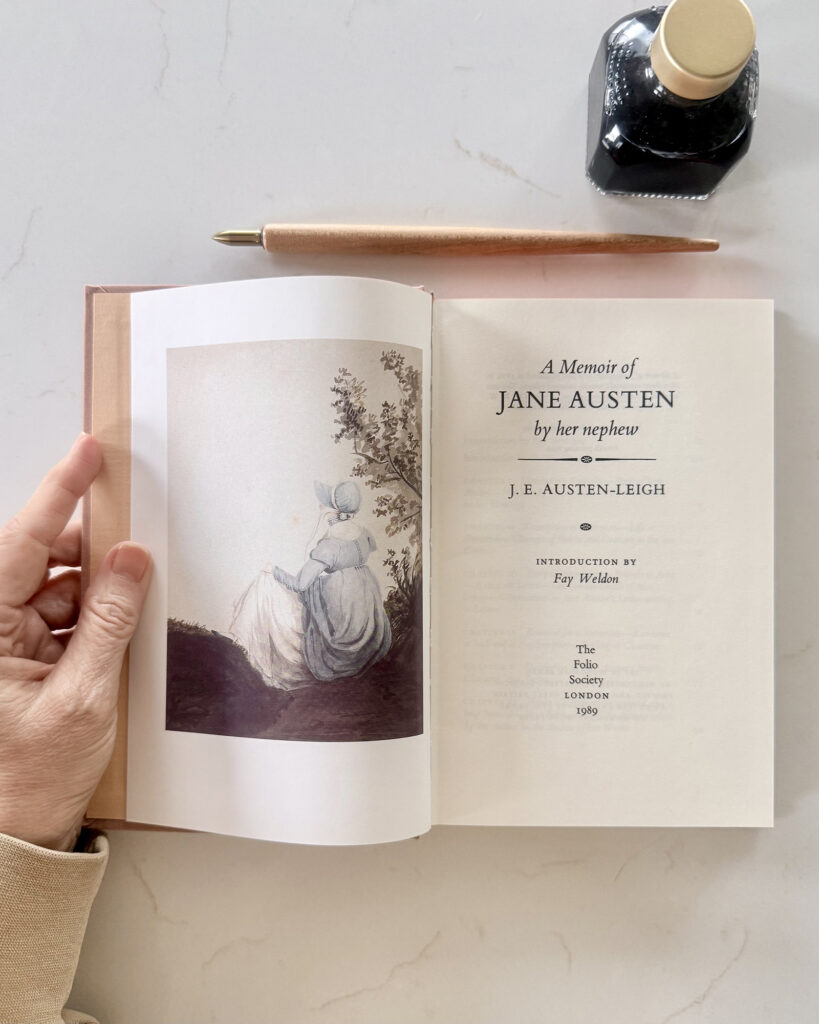
Whom would you choose to write your biography?
In Forms V & VI—that is our 10th, 11th, and 12th grades—Charlotte Mason assigned biographies or memoirs of the authors her students were reading in Literature. Alongside the reading of Jane Austen’s Emma, students had A Memoir of Jane Austen by her nephew, J.E. Austen-Leigh. The book offers an intimate look at both Jane’s family life and work through letters and family recollections. When a novel by Charlotte Brontë was assigned, it’s the biography by her dear friend Elizabeth Gaskell that shines further light on the author’s life.
As I looked over the biographies assigned by Miss Mason, I noticed a pattern: none were salacious, they were most often written by other novelists—full of anecdotes, they spoke of the author’s character and the life that helped form it. Many were written by contemporaries, which offered a view from the time period in which the author lived. They all held to the standard of a “living book.”
These are the qualities that can help guide us when we choose biographies for our own highschoolers.
@rbaburina
January 15, 2026
“Goals are good for setting a direction,” writes James Clear, “but systems are best for making progress.” In his book Atomic Habits he went on to say, “If you completely ignored your goals and focused only on your system, would you still succeed? … I think you would.”
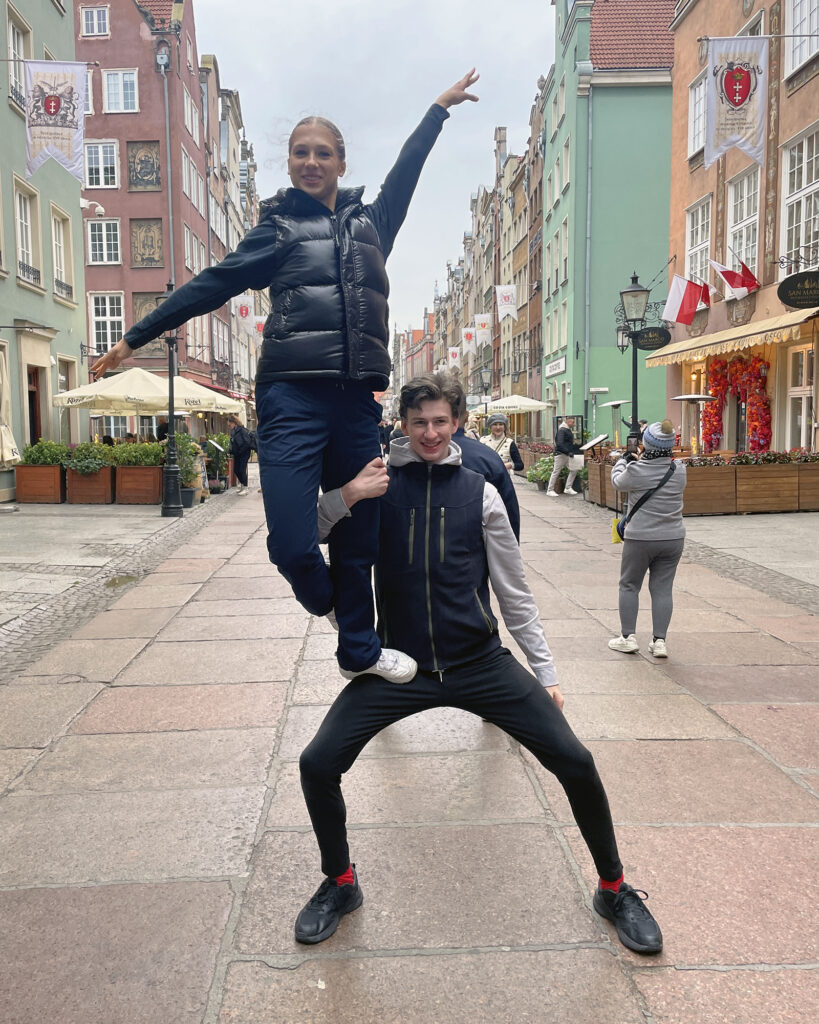
A “system,” according to Clear, is a collection of related habits. Years ago when my son set his heart on being an ice dancer, he set his time on building a system. That meant hour after hour of focused, examined, progressive training and practice. But he also had a goal. The goal, just as Clear says, gave direction.
As recently as the Living Education Retreat in July, I told a friend of mine the goal my son had had for many years: to represent the United States in an international competition.
A few months later I found myself in Gdańsk watching my son on the ice with his talented partner Sophia Feige. I couldn’t help but think about the significance of reaching a goal after so many years of hard work.
James Clear points out another difference between goals and systems. “The purpose of setting goals is to win the game. The purpose of building systems is to continue playing the game. True long-term thinking is goal-less thinking. It’s not about any single accomplishment. It is about the cycle of endless refinement and continuous improvement. Ultimately, it is your commitment to the process that will determine your progress.”
Hearing that the goal had been attained, my friend from the Living Education Retreat asked me: “Is this the conclusion of Wiles’s career in ice dancing?”
No, “it is certainly not the end of his skating career,” I replied. “In a certain way, it feels like the beginning.”
@artmiddlekauff
📷: @feige_middlekauff_team
January 16, 2026





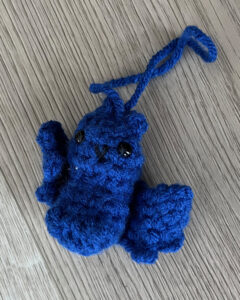




Serafina handmade many Christmas gifts this year. She crocheted a bunch of amigurumi-style stuffed figures for her friends. Some were by request, others she gave as surprises.
She created a reindeer, a few ninja turtles, a racoon, a couple of cute bats, an axolotl, a dragon, a Kirby, and (my favourite) the very cute Gimli from The Lord of the Rings.
Thread a loop of yarn through the top and you have a hanging ornament. Attach a keychain clip and that works to hang from a bag or backpack.
Her friends loved them!
Did your family make and give handcrafted gifts? Tell us about them below!
@antonella.f.greco
January 17, 2026
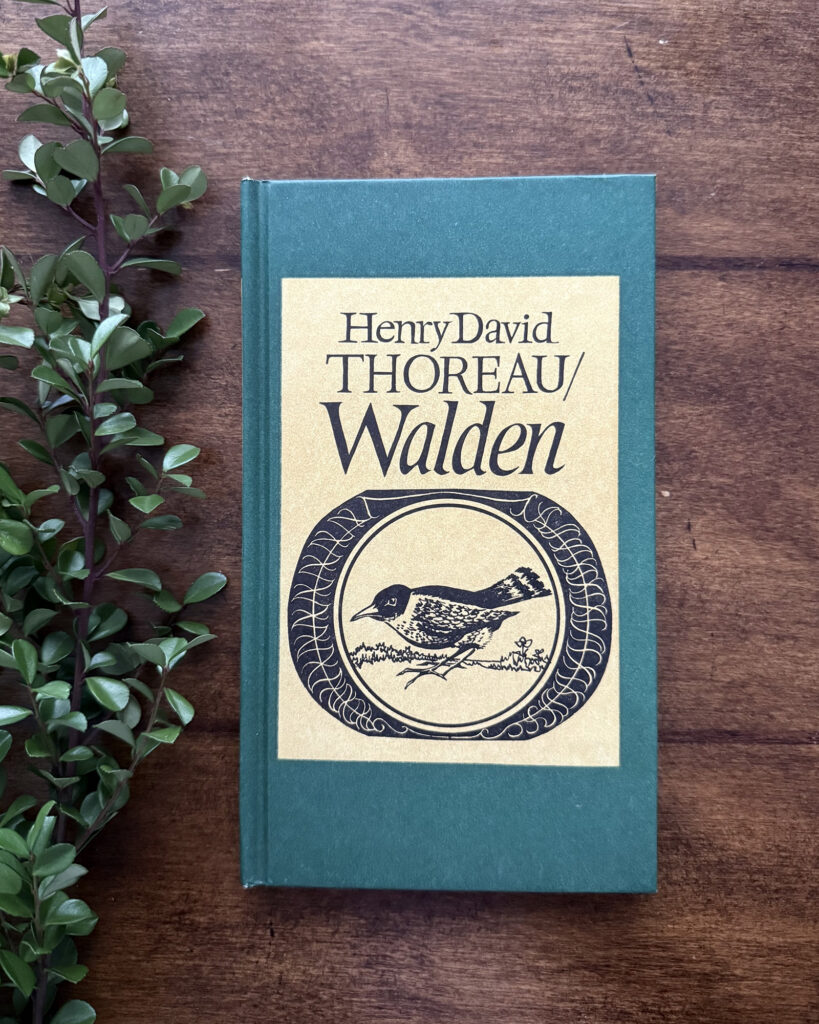
“The mass of men lead lives of quiet desperation,” may be Thoreau’s most famous line from Walden, but it’s not my favorite.
“A man sits as many risks as he runs,” is what struck me most. What’’s the most recent line in your Commonplace?
@rbaburina
January 18, 2026
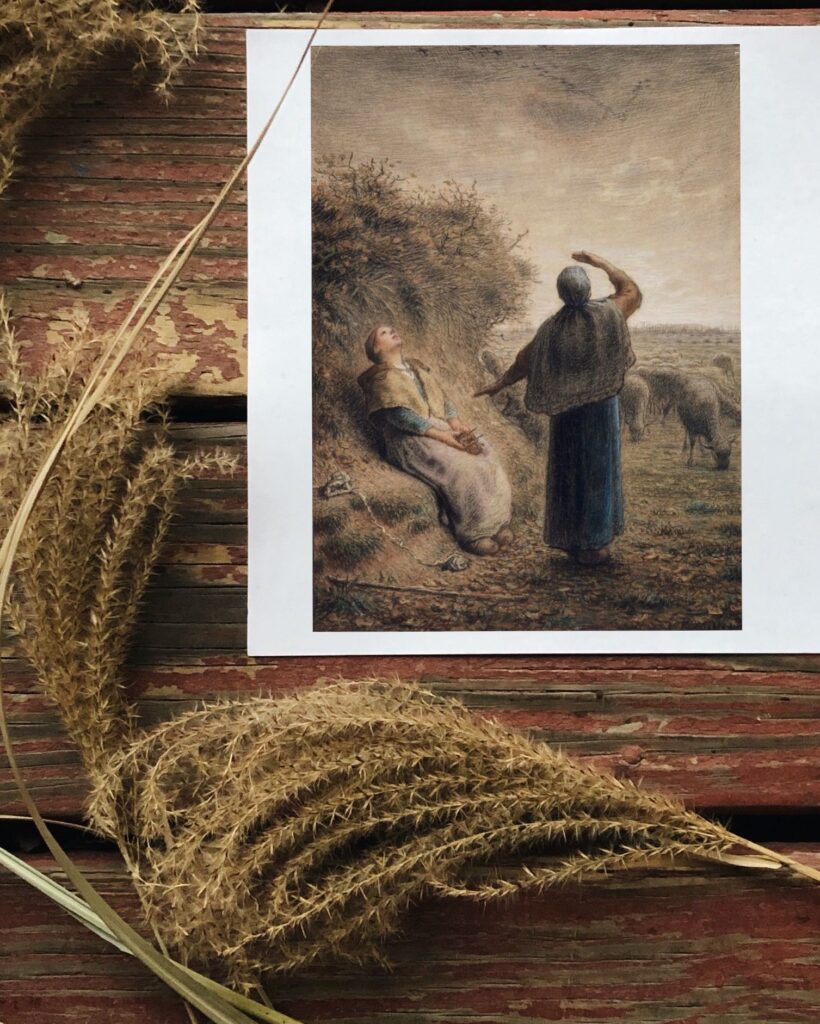
In 1943, Dietrich Bonhoeffer was held captive in Tegel military prison. On November 21 he wrote a letter to his student Eberhard Bethge. “Today is Remembrance Sunday. … Then comes Advent, a time during which we share so many beautiful memories.” He went on: “By the way, a prison cell like this is a good analogy for Advent; one waits, hopes, does this or that—ultimately negligible things—the door is locked and can only be opened from the outside.”
Two millennia before the world was held in a prison cell. It was “a period of such inconceivable oppression,” writes Charlotte Mason, that it “naturally raised in men’s minds a certainty of deliverance… Predictions were rife, omens were in the air, men were aware of an expectation which they could not define.”
The door was locked and it could only be opened from outside. The world watched and waited. Enter the mystery today with Charlotte Mason’s poem of expectation. Find it here.
@artmiddlekauff