The CMP Review — Week of February 9
February 9, 2026
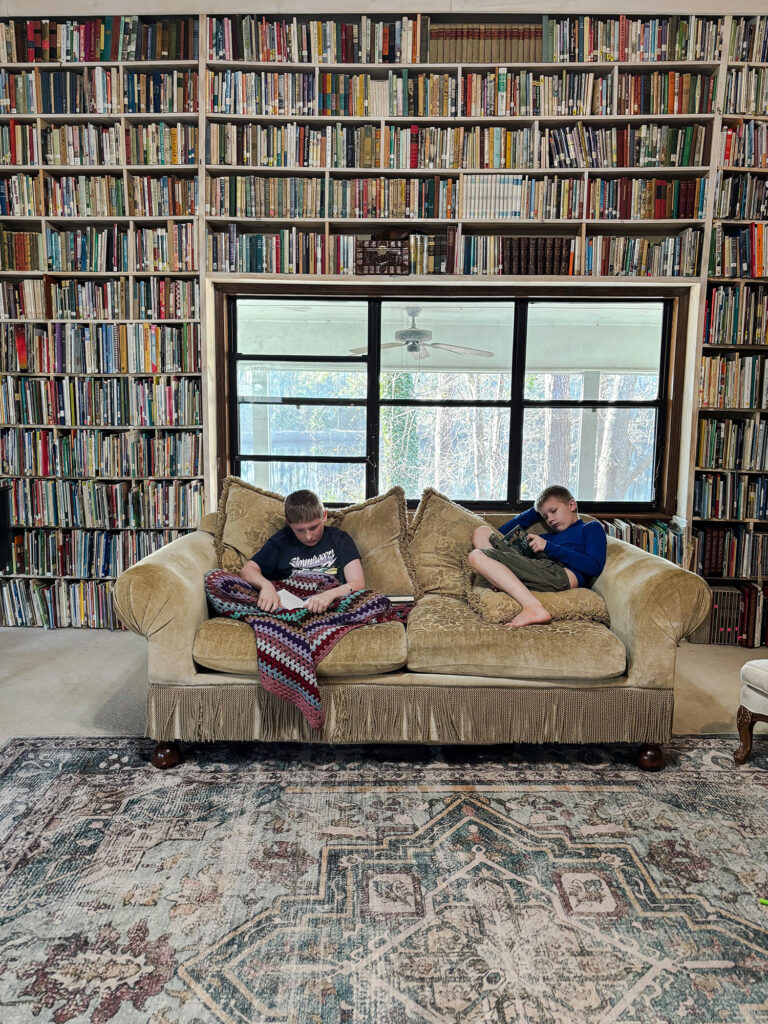
“We ought to do so much for our children, and are able to do so much for them, that we begin to think everything rests with us and that we should never intermit for a moment our conscious action on the young minds and hearts about us. Our endeavours become fussy and restless. We are too much with our children, ‘late and soon.’ We try to dominate them too much, even when we fail to govern, and we are unable to perceive that wise and purposeful letting alone is the best part of education.” (Vol. 3 pp. 27-28)@tessakeath
February 10, 2026
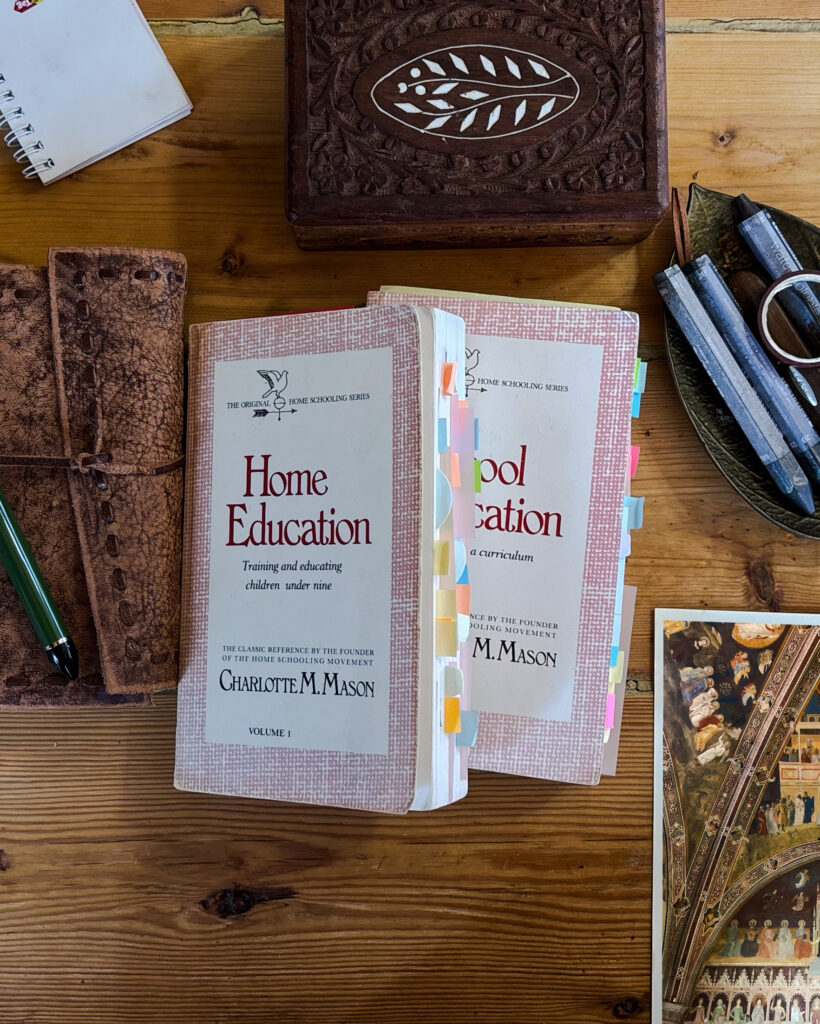
“We can of course learn of them from Home Education and School Education, and certainly no one would venture to teach in the P.U.S. without first reading these books. To read once, however, is not enough; we must go back to them again and again.”
So wrote Helen E. Wix in 1927. Who was this Miss Wix? Born in 1882 in Sydney, Australia, she traveled to England and graduated from Charlotte Mason’s House of Education in 1903. A little over a decade later, she was serving as the Assistant Organising Secretary of the PNEU. The best, however, was yet to come.
When state schools started adopting the Charlotte Mason method, teachers needed to hear and learn from someone with credibility. Someone who spoke their language. Someone they could trust. Again and again, Director of Education H. W. Household pointed them to Miss Wix.
And Household was not sparing in his praise. Speaking of Helen Wix and Ellen Parish, he wrote, “We owe everything to them.”
Who was this Helen Wix and how did she present the Charlotte Mason method to teachers? I think we should all get to know her. That’s why we’re starting a three-part Helen Wix series, so you can hear from her in her own words. We begin with her 1927 article in which she presents the foundational ideas of the Charlotte Mason method. Find it here.
@artmiddlekauff
February 11, 2026
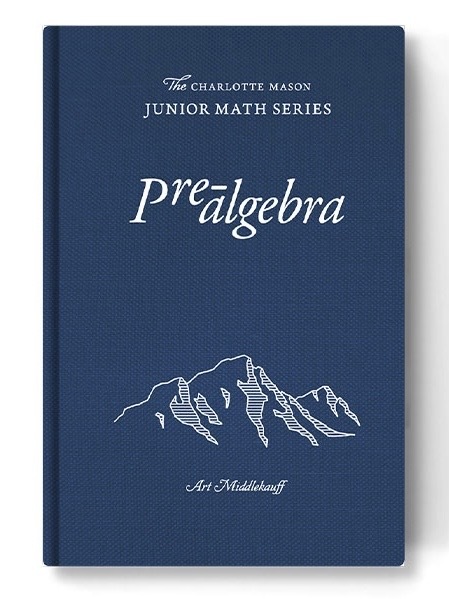
Introducing… The Charlotte Mason Junior Math Series: Pre-Algebra by our very own Art Middlekauff!
Pre-Algebra picks up where The Charlotte Elementary Arithmetic Series ends. Signed Numbers, Solving Expressions, Data Analysis, and more—this book guides you and your student into higher ground in the mountainous land of mathematics using the Charlotte Mason Method.
Download a free sample of the book and the solutions guide today at this link.
@rbaburina
February 12, 2026
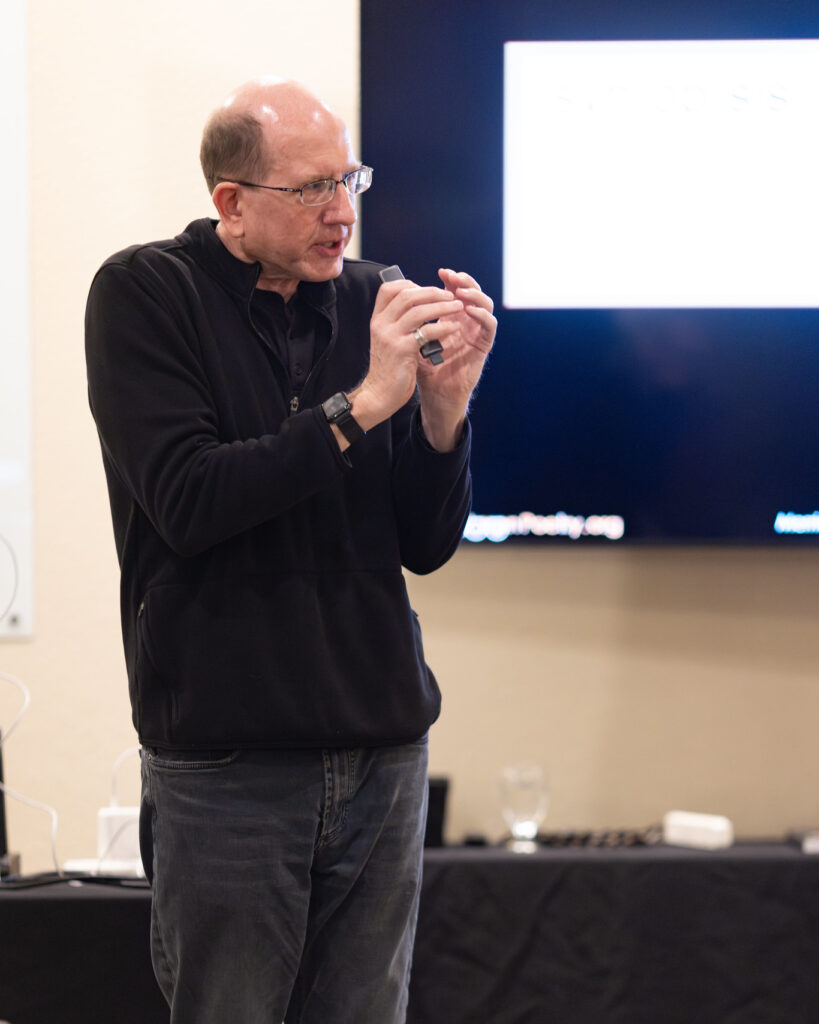
“Children are persons; ergo, children must have liberty.”
This wonderful line from Charlotte Mason first appeared in her landmark 1911 paper entitled “Children Are Born Persons.” It was also the theme quote for last week’s Charlotte Mason Educational Retreat in Colorado Springs. Barbara and I had such a wonderful time sharing our hearts with so many devoted homeschooling parents.
Children must have liberty. But what is the greatest threat to the liberty, individuality, and personality of a child? Does it come from within or without? This is a concept I explored in my new talk entitled “Free To Obey,” which I will also be presenting as a workshop at the Living Education Retreat. The retreat is full but I have met many people at prior retreats who attended because their name came up on the waiting list. I look forward to discussing this important topic with many of you this summer!
@artmiddlekauff
February 13, 2026

A Winter’s Scene
Winter’s breath sweeps, chill as death,
O’er the blue lake’s rippling waves.
And charms asleep the haughty deep,
O’er its thousand unseen caves.
The fir-tree’s deathless robe of green
Is glistening with its silvery sheen,
From the frost king’s regalia flung,
Like starry gems, its leaves among;
And the laugh and song are borne along
The pure, unsullied air,
From the young and gay, who keep holiday,
With the merry skaters there.
Away! away! through each graceful turn
Of that strange, exciting scene.
See how their fair cheeks glow and burn,
As they wheel and glide between,
With the soft fur coat up round each throat—
The thoughtful mother’s care;
And the gloves so warm—they repel like a charm
The chilling frosty air.
Isabella Whiteford Rogerson (1859/1860, died 1905, St John’s, Newfoundland, Canada)
@antonella.f.greco
February 14, 2026
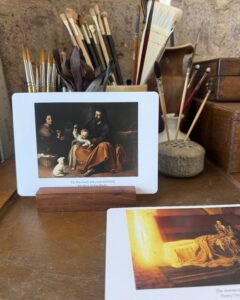
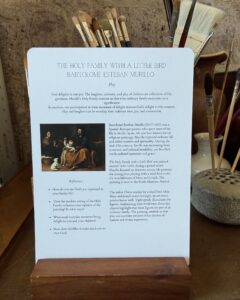
Charlotte Mason was a thoughtful gift giver. For example, the children in her life might receive a carefully chosen book with a personal inscription, while a daily devotional called The Cloud of Witness marked graduation from her House of Education.
Recently, I received an equally gracious gift—The Art of Motherhood cards and holder from The Charlotte Mason Home. Through a personal picture study, Beth invites us to dedicate a hallway in the inner gallery of our minds “specifically to the theme of motherhood.”
They’re exquisite—offering a daily serving of beauty and quiet contemplation amidst the commotion of our lives.
@rbaburina
February 15, 2026
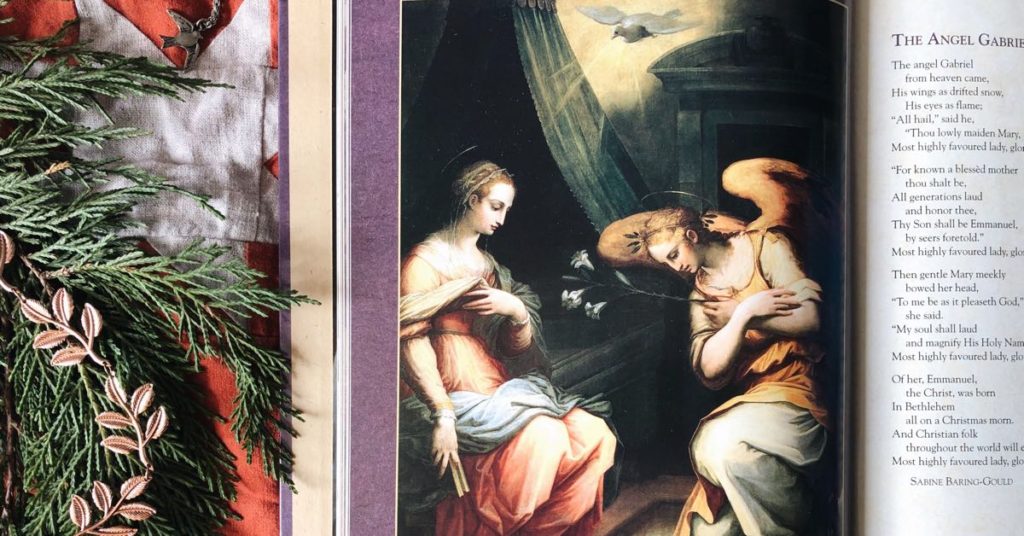
After delivering his message to Zechariah, “the angel Gabriel went forth once more on that high errand: came to Nazareth.” We call that second errand “The Annunciation,” and that is the name Charlotte Mason chose for her beautiful poetic reflection on the angelic visit.
Millennia before, “Adam and Eve, with their ‘no’ to God’s will, had closed [the world’s] door” to God. But “Mary said ‘yes’ to this divine will; she placed herself within this will, placed her whole life with a great ‘yes’ within God’s will, and thus opened the world’s door to God” (Benedict XVI).
What happens when a child of God says, “Be it to me according to thy word”? Charlotte Mason’s poetry invites you to consider the mystery. Find it here.
@artmiddlekauff