The CMP Review — Week of February 16
February 16, 2026
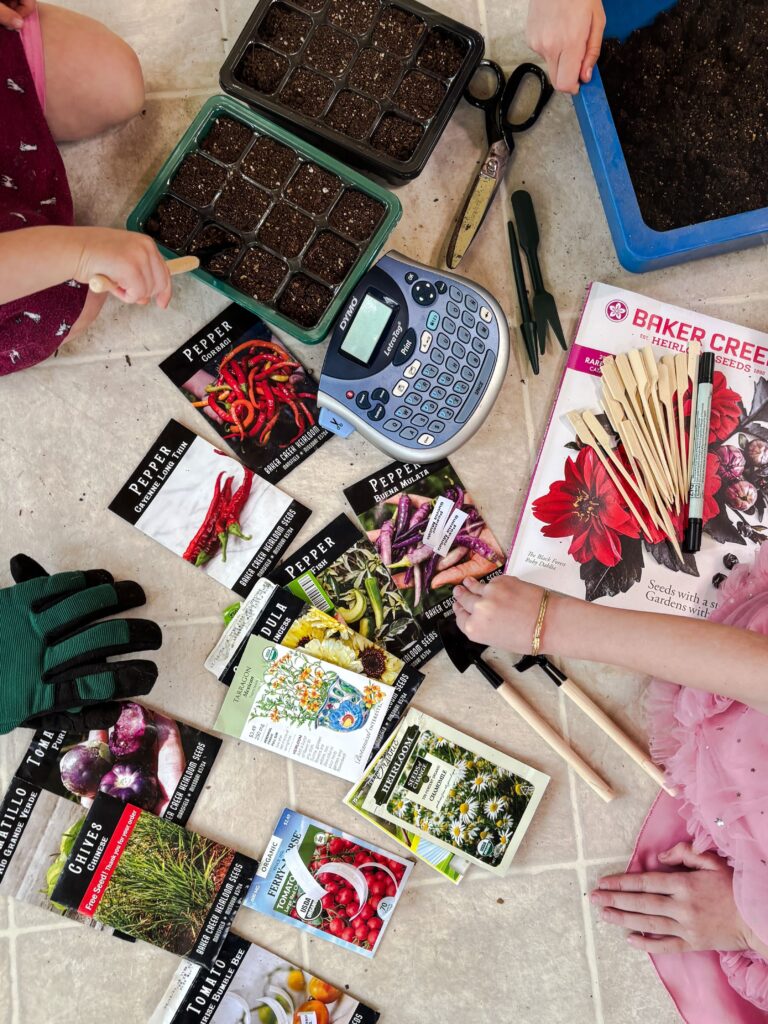
We’ve been thinking about spring and starting to plan our garden spaces. The seed catalogs came out this week, and my little helpers picked a few new flower varieties they want to try.
I was reminded of this line from “The Child in the Garden” by E.A. Pyper:
For children under six, a garden offers endless opportunities for training and developing on every side. Hand and eye, brain and soul, all are trained and strengthened, and under God’s bright sun and soft rains the child grows sweet and fresh as any flower.
Do you garden? I’d love to hear your favorite flower, vegetable, or herb varieties to add to our list.
@tessakeath
February 17, 2026
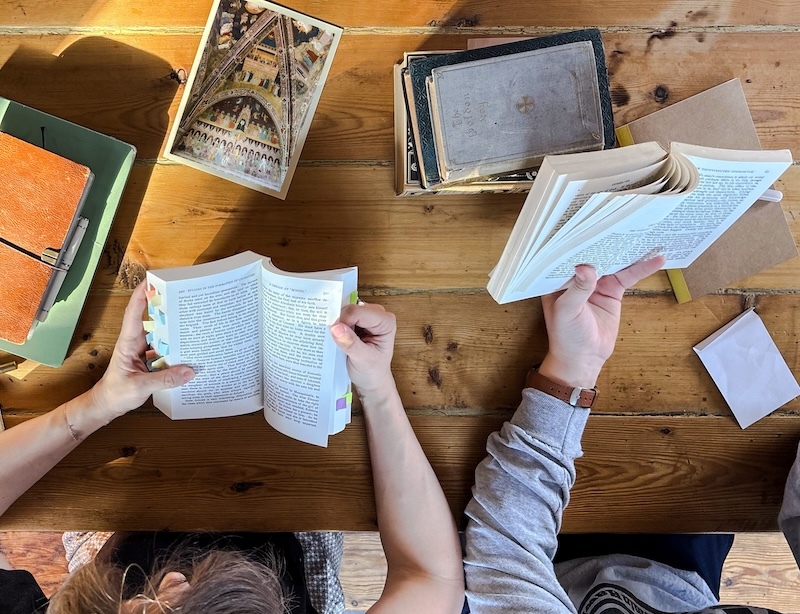
“One of the greatest benefits which the P.U.S. programmes have bestowed has been on the teachers,” proclaimed Helen Wix. “They have revived in them the desire to learn, they have made them realise their ignorance (a lesson we all need to learn), they have made students of them again, learning humbly and happily alongside their pupils.”
Miss Wix was explaining Charlotte Mason’s 8th principle, “Education is a Life.” Wix insisted that “‘Education is a life’ is the saying and the belief of an idealist, and all of us who are Miss Mason’s followers are necessarily idealist.”
We are told that nearly 1,000 people were present when Miss Wix uttered these powerful words. They were printed in The Parents’ Review in 1927 and then hidden away in a few libraries around the world.
But more than 1,000 people need to hear the valuable insights of Helen Wix. That’s why we’ve transcribed and recorded this important article for you, available today for free on the Internet for the very first time. Read or listen and let Miss Wix awaken the idealist in you. Find it here.
@artmiddlekauff
February 18, 2026
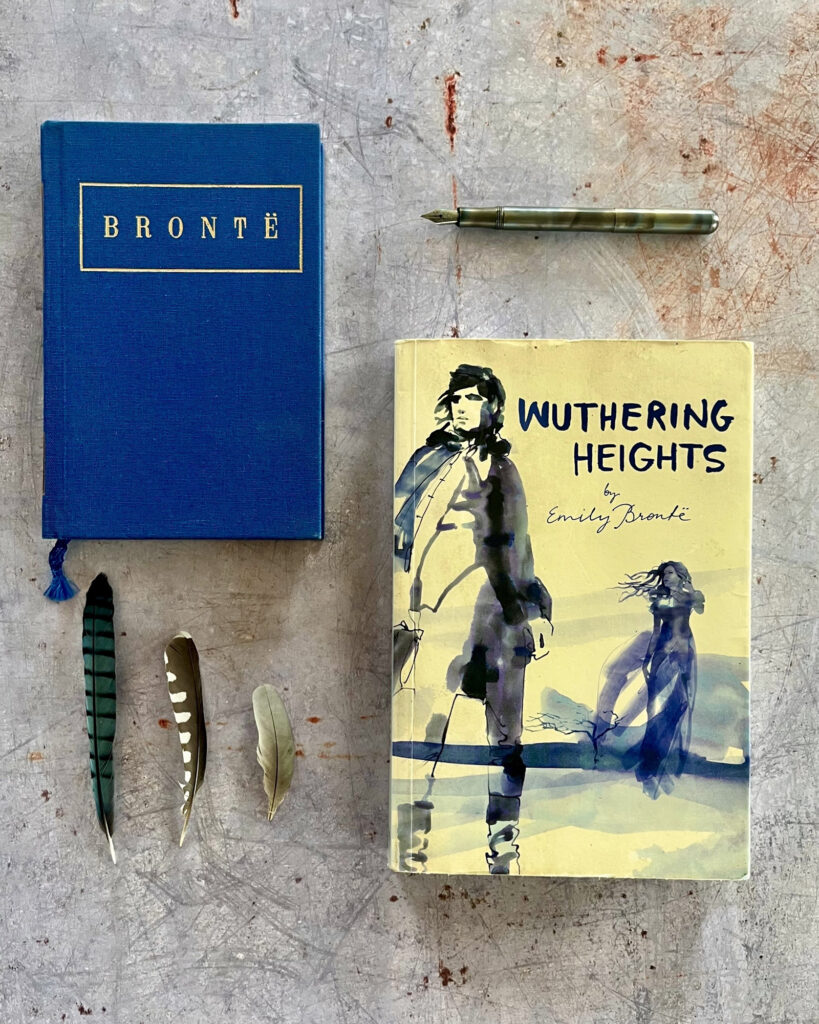
Charlotte Mason begins Ourselves, Book II, with a look at Emily Brontë as evidence to her First Principle, that Children are Born Persons and that there are no “little” men. That the:
properties of the soul are present in everyone, developed or undeveloped, in greater or lesser degree. So Christ seems to have taught; and many a [seemingly] insignificant soul has been found to hold capacity for Him.
In Emily Bronte we have an example of the immeasurable range of the soul, … that a delicate girl, brought up almost in isolation in a remote parsonage, should be able to sound the depths of human passion, conceive of human tragedy, and gather the fruits of human wisdom, is a very fair illustration of the majesty of the soul; all the more so because she was not among the great as regards either virtue or achievement.
It is here that Miss Mason adds another profound statement:
When we look at the immensity of man’s soul in our greats “we leave off too soon in our appreciation” as we “are too shamefaced to acknowledge to ourselves that it is in our own immensity we find some sort of measure for theirs” (xlvi).
@rbaburina
Form V students (approx. 10th & 11th grades) were reading from Ourselves, Book II, taking about 30 pages a term, under the subject of Everyday Morals and Economics.
February 19, 2026
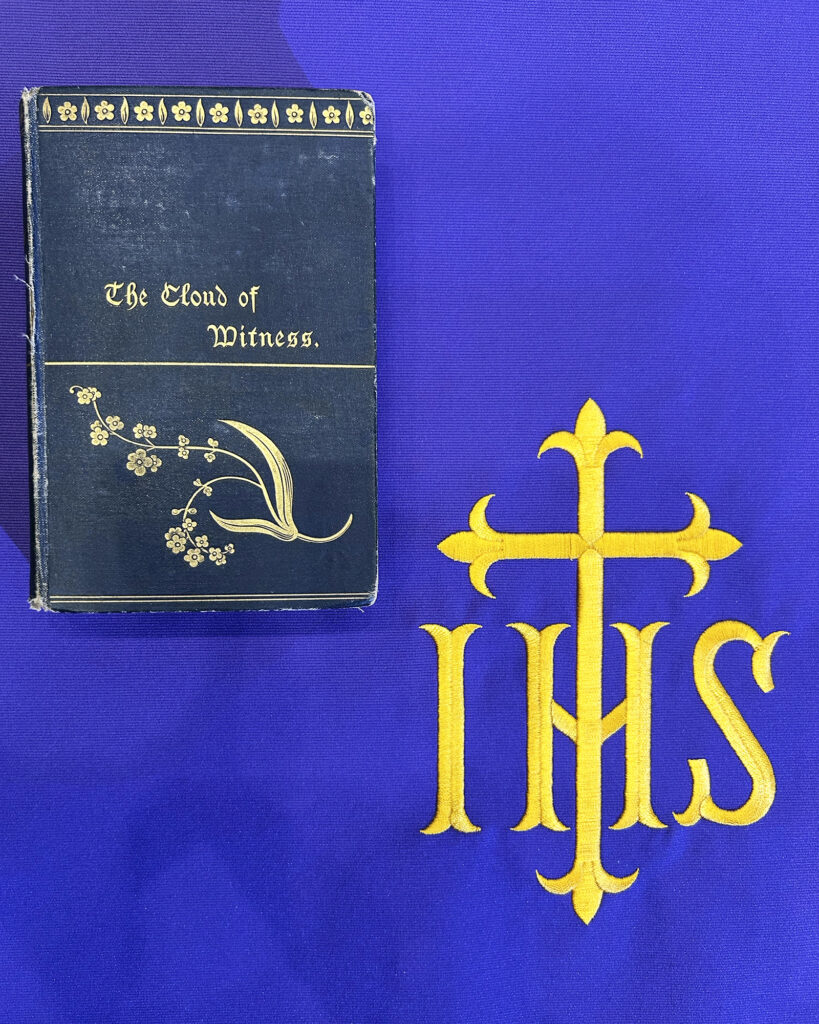
There are many, many devotionals to choose from, but my favorite companion during the season of Lent is The Cloud of Witness by Edith Gell.
Yesterday Lent began for me when our Assistant Rector solemnly declared, “I invite you, therefore, in the name of the Church, to the observance of a holy Lent: by self-examination and repentance; by prayer, fasting, and alms-giving; and by reading and meditating on God’s holy Word.”
It would not necessarily seem to be a welcome invitation. Who wants to spend weeks with a focus on “self-examination and repentance”? Did not Charlotte Mason herself warn about the dangers of “morbid introspection”?
That is one reason I like having Edith Gell’s The Cloud of Witness in the weeks that lead up to Easter. Here I found this gem to accompany yesterday’s invitation:
Grieve not so much that sin
Hath found a stealthy passage to thy heart,
As now rejoice that Penitence hath tracked
Its subtle footstep there.
— W. Smith
And so I enter Lent not with grief but with joy. For repentance is a gift that leads to liberty.
@artmiddlekauff
February 20, 2026
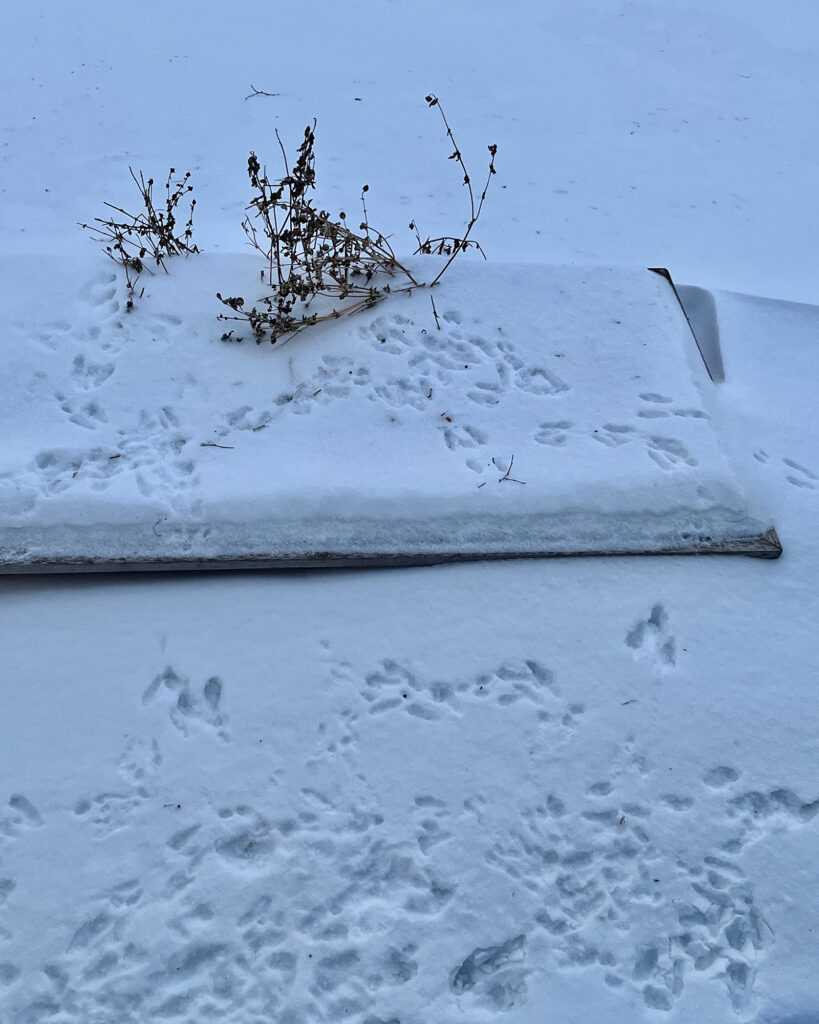
This scene at our garden box reminded us of Peter Rabbit and Flopsy, Mopsy, and Cotton-tail. Can’t you just picture them running about?
I’m glad I left out my Zinnia plants for them.
What does your garden look like in winter? Any signs of life?
@antonella.f.greco
February 21, 2026
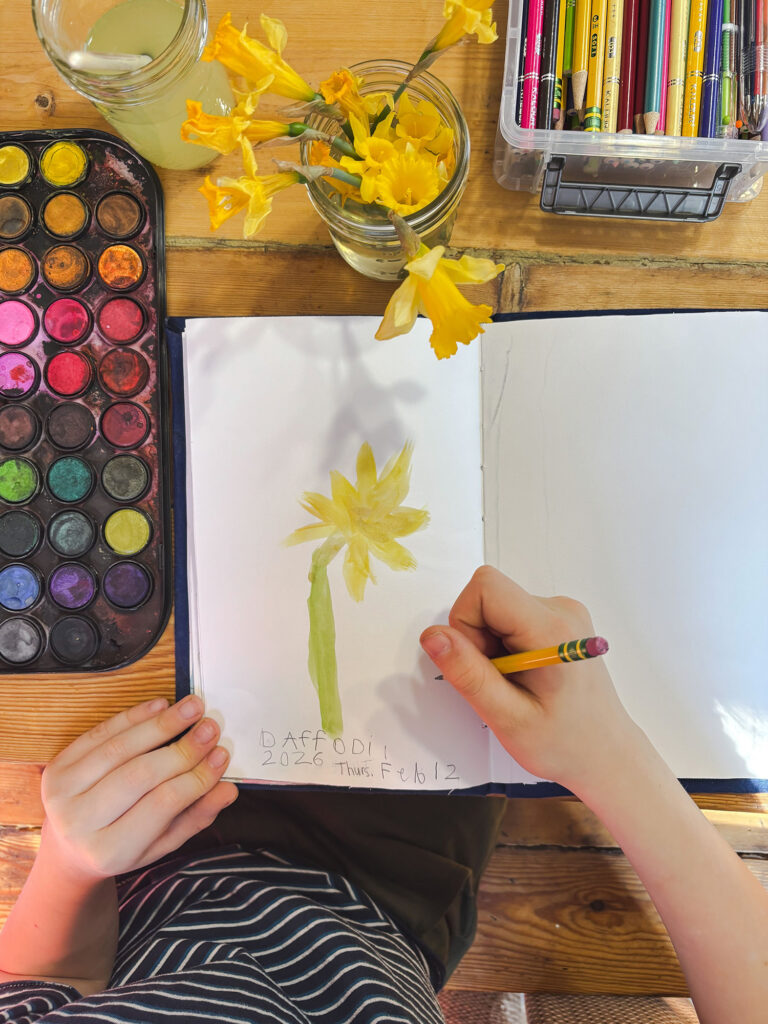
“The keeping of a Nature Note Book gives each child a lifelong hobby. The books are never stereotyped and are absolutely voluntary, giving free rein to individual tastes.” (“The Charm of Nature Study”, PR42)@tessakeath
February 22, 2026
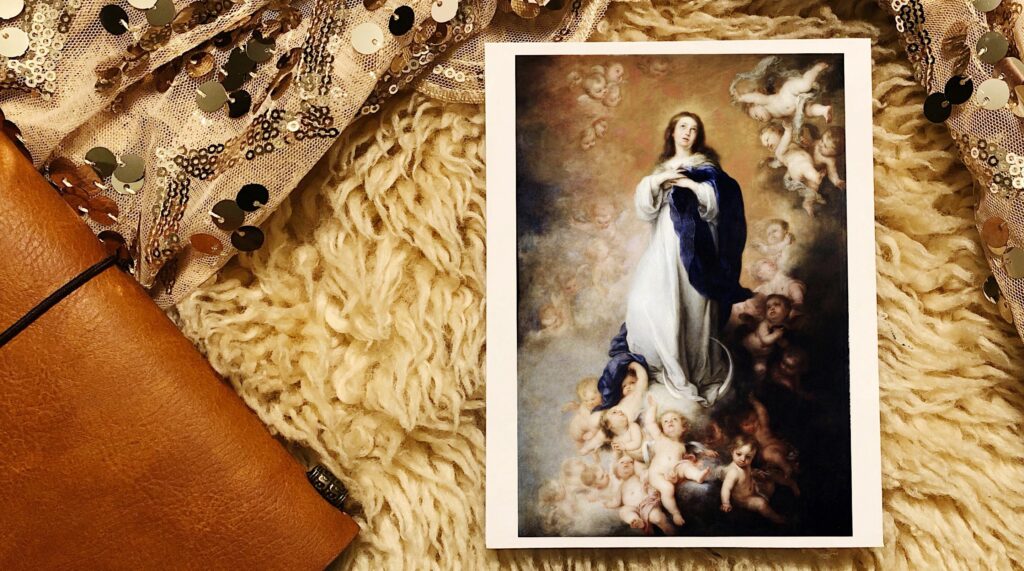
Year after year as a young woman and through the rest of her life, Charlotte Mason would hear these words: “Almighty God, who hast given us thy only begotten Son, to take our nature upon him, and … to be born of a pure Virgin…” This prayer, first arranged by Thomas Cranmer for the 1549 Book of Common Prayer, blesses the Anglican liturgy to this day. But what do these words mean, “born of a pure Virgin”?
Some notions are difficult to explore or express in prose; it seems that the highest truths often reach us through art, whether poem, painting, or performance. One image in particular touched Mason deeply when she was not yet thirty years old. Art brought forth art and she penned verses to express the ideas forming in her heart.
When it became time to explore the Advent mystery in her Saviour of the World volumes, Mason lingered after the Annunciation. She reached back to that poem from her earlier days, that poem written “on a picture.” But it was not until two years after the poem was published that she gave another glimpse into how this poem was to be understood. Writing in “The Nativity” in the 1910 Parents’ Review, she explained: “Born of a pure Virgin.—Perhaps here, too, the painters are the best helpers to our meditative thought…”
Born of a pure Virgin. Perhaps it’s an idea that cannot be reduced to catechism or creed. It leaves the heart hungry for more. At least it did for Charlotte Mason. And so from the liturgy to the canvas, Mason contemplated the great mystery of the woman whose womb the Son of God would take for a home.
Find Charlotte Mason’s poem here.
@artmiddlekauff