The CMP Review — Week of June 29
June 29, 2026
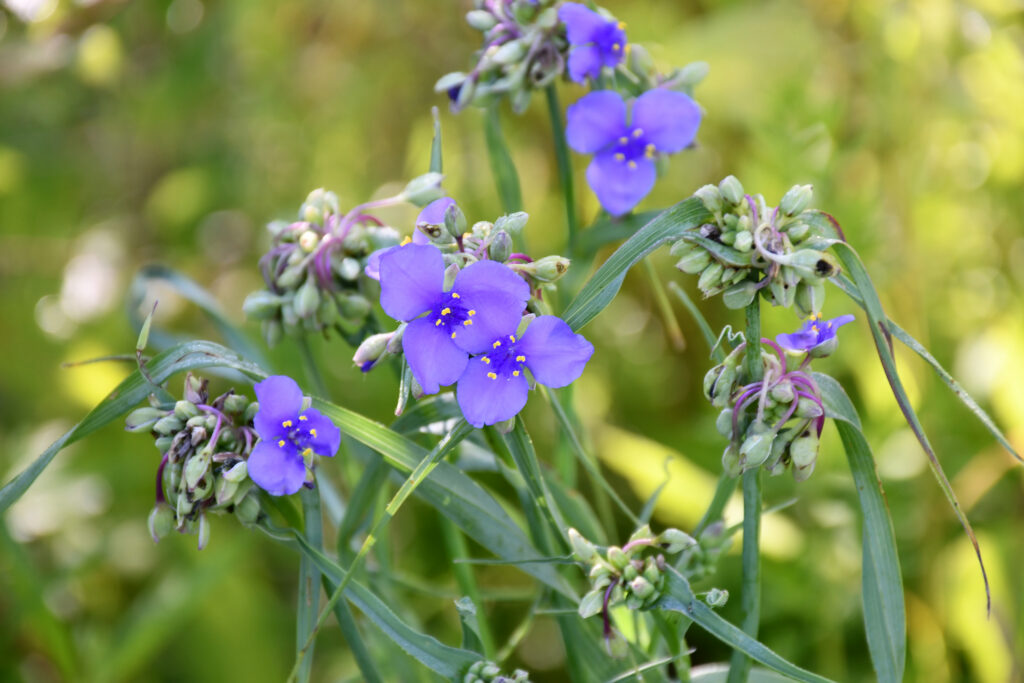
This is the time of year when the spiderworts bloom, and I know of a place where I can find them. I visit that place in all seasons, but it is only in the summer that it greets me with these blossoms.
Why do I like the spiderwort so much? I could talk about its color, its radiance, its distinctive, grass-like leaves. I could take about its sharp angles and shapes that strike me as bold and strong.
But one could also ask why I like my friends so much. Certainly it has something to do with their qualities. But is it strictly based on merit? Are my friends objectively better than other people? Can my admiration be reduced to a mathematical equation?
Years ago I was introduced to the spiderwort. A naturalist took the time to describe its features to me when I was out on a walk. That was the beginning of a relationship.
Sure, you can find a prettier flower than the spiderwort. Sure, you can find better people than my friends. But both are precious to me because of relationship. And that’s something neither flower nor person can earn.
@artmiddlekauff
June 30, 2026
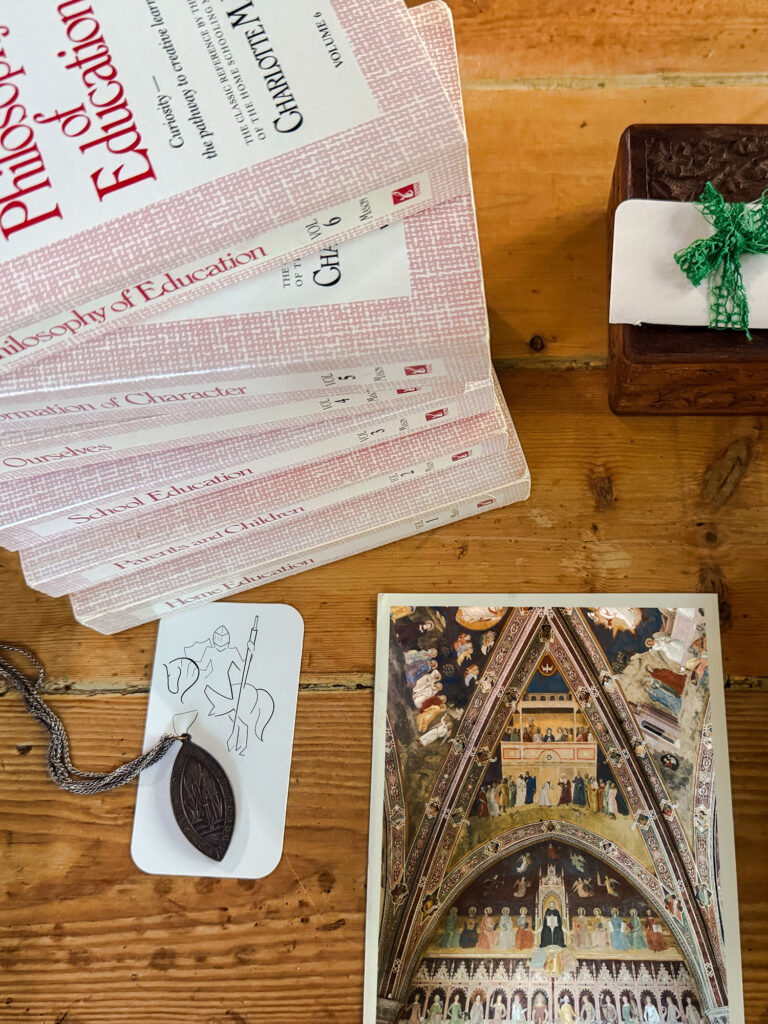
Two questions confront everyone who is seriously considering implementing the Charlotte Mason method:
(1) Do I have to read the volumes?
(2) And if so, what support is available to help me get through them?
Today I offer an answer to both questions. But don’t delay, because the second answer points to a limited time window that opens today and closes soon.
Announcing Idyll Challenge VI. Learn more and register here.
@artmiddlekauff
July 1, 2026
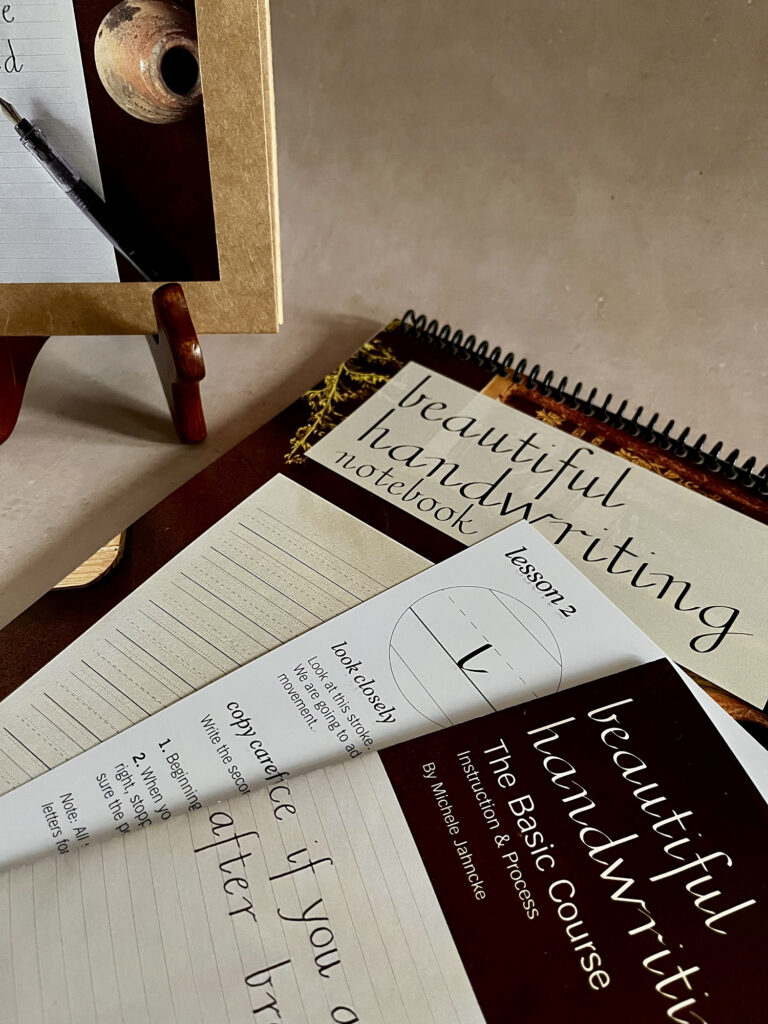
Have you ever seen Mrs. Bridges’ handwriting outside of a copybook?
For the past while, I’ve been slowly working through Michele Jahncke’s Beautiful Handwriting lesson cards as a little Mother Culture project of my own. The more I’ve practiced this graceful hand that Charlotte Mason so admired, the more familiar its letterforms have become.
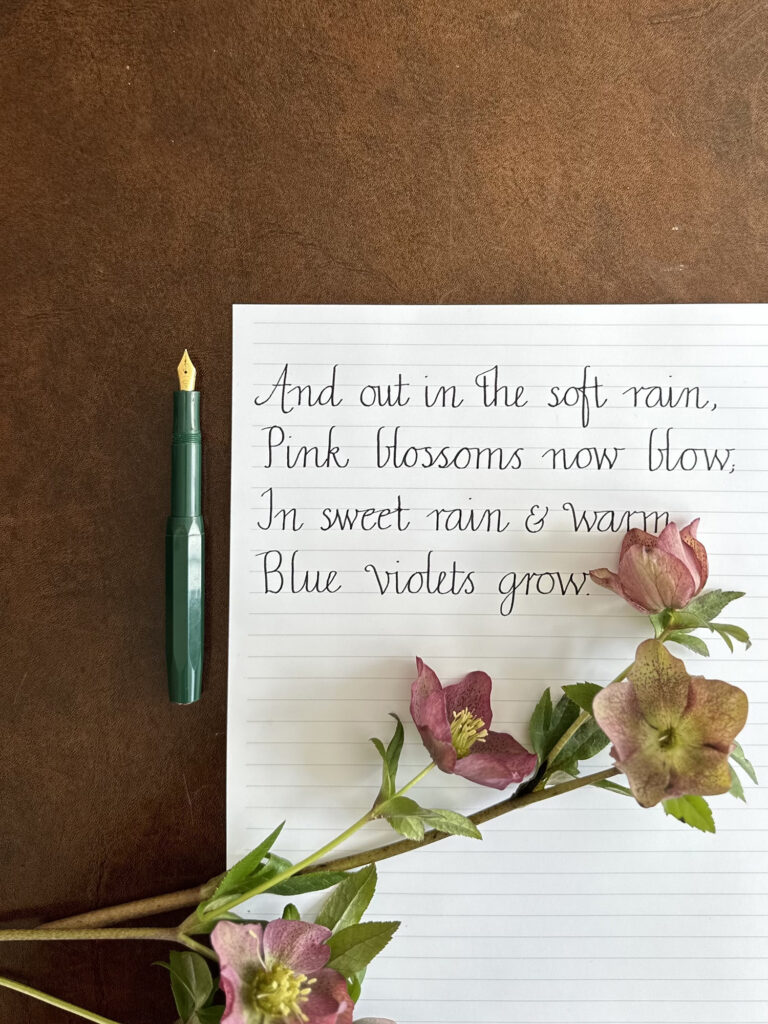
Charlotte Mason valued Mrs. Bridges’ handwriting for its simplicity, clarity, and beauty. It wasn’t intended to be an elaborate script reserved for special occasions, but a practical, everyday handwriting that children could grow into naturally.
Michele has beautifully recreated these lessons in two card sets, making this lovely hand accessible for a new generation.
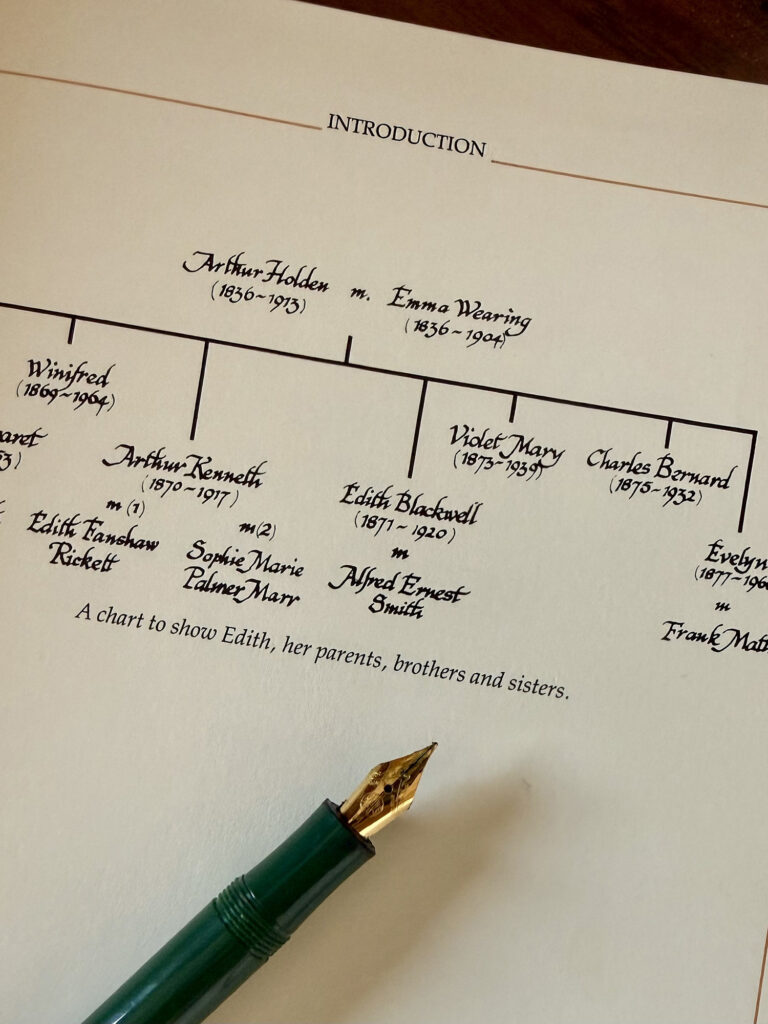
Then, while looking through Edith Holden’s family tree, I recognized something familiar.
It’s written in the same style as Mrs. Bridges.
There’s something so wonderful about seeing this handwriting in a real family record. And Edith Holden’s, no less. Suddenly it isn’t just a lesson in a copybook—it’s handwriting that was truly lived with.
One of my favorite things about being a lifelong student of Charlotte Mason is discovering these little threads that connect the past to the present.
@rbaburina
July 2, 2026
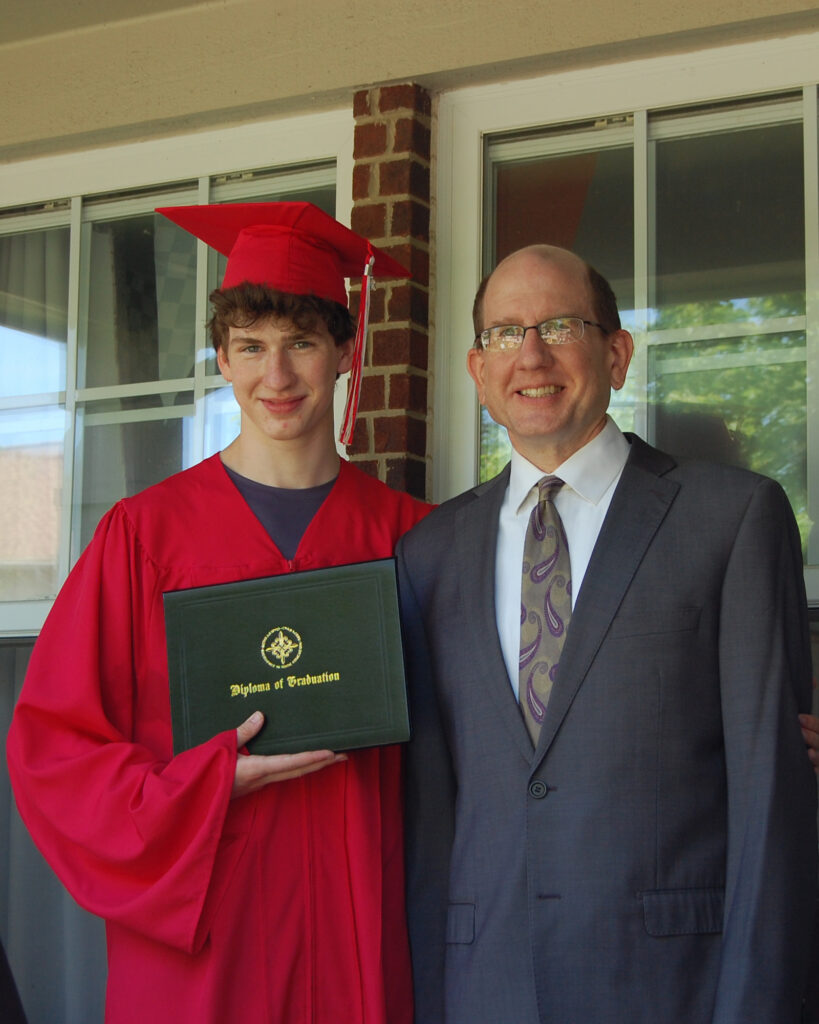
Every journey begins with some idea, however vague, of the destination. The decision I made more than twenty years ago to start homeschooling is no exception. I knew in general where I wanted to go. But most of the specifics would elude me until the end.
Probably the last thing on the mind of a young father embarking on homeschooling is what he will say in his commencement address for high school graduation. Even more remote is the thought of what will make up the third and final address, when his homeschool journey has finally reached its destination.
I didn’t know what I would say until a few weeks before the day arrived. Because this journey took me to landscapes that continued to unfold and develop in new and unexpected ways right up to the very end. New terrain and images, sights and sounds, more wondrous and joyful, bittersweet and challenging, continued to emerge. Until I finally stopped to take in the moment when I had reached the far coast and finished my task.
“We have a saying around here,” I began, “and that is, ‘You have to know the rules before you can break the rules.’” Read the rest of my third and final commencement address here.
@artmiddlekauff
July 3, 2026
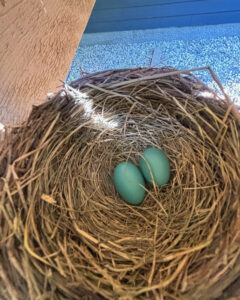
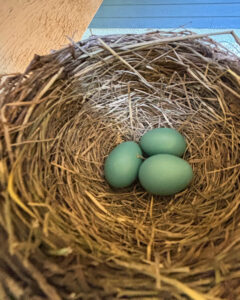
Robin’s eggs round two!
Each time I turned the corner into my yard, I’d see momma robin fly from under my deck back up into the trees.
So I took a peek into her nest and found two eggs. This was on Wednesday.
I checked again on Thursday morning and she had moved those two eggs around a bit, making room for the third.
We’ve not had two clutches before! It’s very exciting!
@antonella.f.greco
July 4, 2024
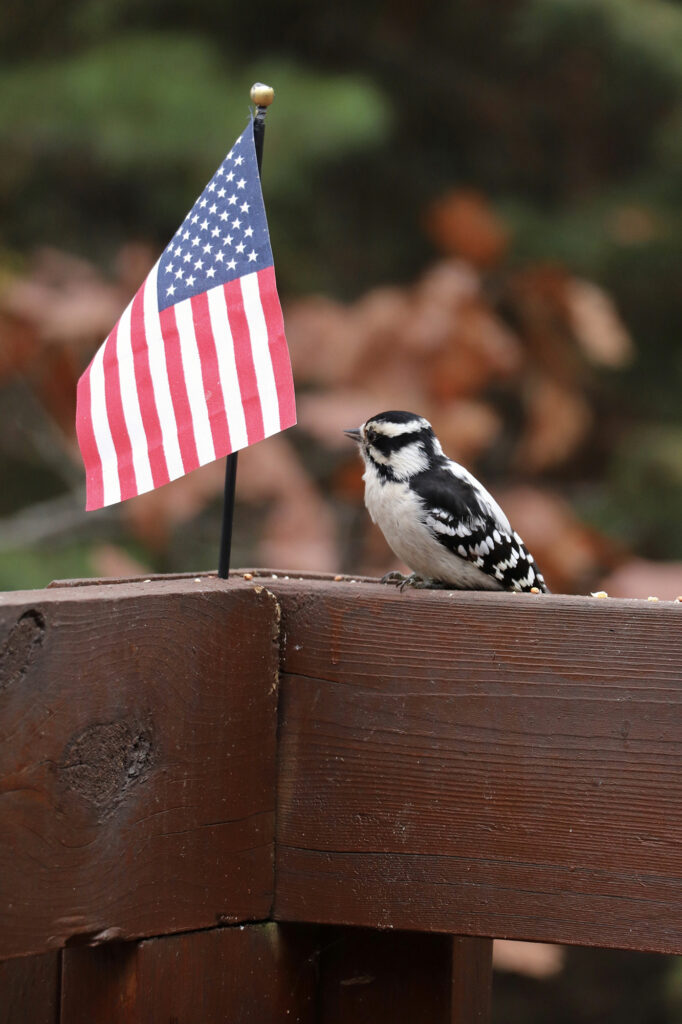
250 years! Each 4th of July, I (@rbaburina) think upon Charlotte Mason’s vision of true patriotism—one marked by an “intelligent appreciation” of all that’s noble in the literature, history, and life of one’s own country. She believed love of country should be neither blind nor boastful, but thoughtful and well-informed.
She believed that as children grow to love what is good and worthy in their nation’s story, they develop both gratitude for the freedoms they’ve inherited and generosity toward the people of every nation.
May we celebrate with thankful hearts, cherishing the gift of liberty and the responsibility that comes with it.
Happy Independence Day from the Charlotte Mason Poetry team! 🇺🇸
July 5, 2026
The great prophet Isaiah spoke of a day when the wilderness would be renewed in beauty:
The wilderness and the dry land shall be glad,
the desert shall rejoice and blossom;
like the lily it shall blossom abundantly,
and rejoice with joy and singing.
It would be a day not only of flowers and blossoms, but of other outbursts of life:
the burning sand shall become a pool…
the grass shall become reeds and rushes.
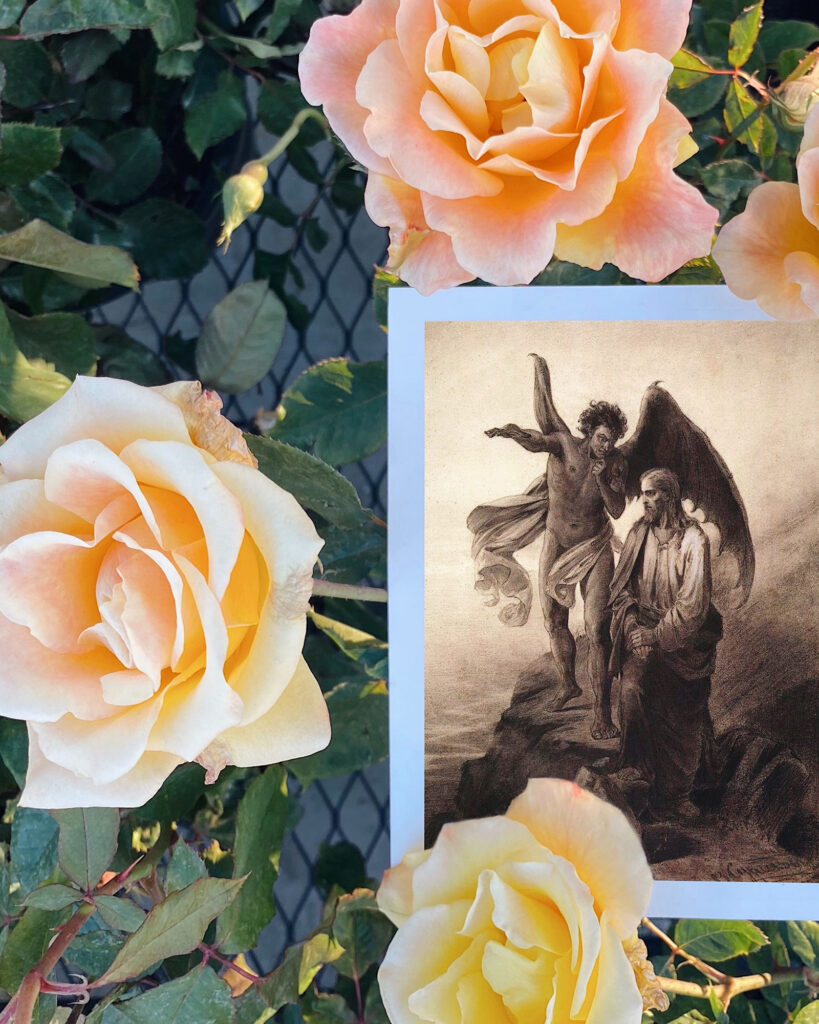
Shortly after our Lord’s baptism, He was led by the Spirit into the wilderness. Was it to rejoice in the blossoming of lilies and the birth of rushes?
Charlotte Mason wrote a profoundly moving poem on Isaiah 35. But it’s not about Jesus in the wilderness with the lilies. It’s “Jesus in the Wilderness with the Tempter.” Find it here.
@artmiddlekauff