The CMP Review — Week of July 27
July 27, 2026
“We will begin with saying what will be generally allowed to be true, namely, that book-learning is only a small part of true education; its fullest requirements are very varied. We must cultivate besides obedience, self-control, reverence, respect for authority, the power of concentration, the ability to observe and to take in the qualities and the appearances of the natural objects around us; devotion to duty and enthusiasm; tenderness and affection and sympathy. With some these three last seem to be spontaneous.” (“Thoughts and Suggestions on Early Education”, Miss Clough, PR1, p. 182)@tessakeath
July 28, 2026
“Sometimes, our earnest efforts to educate our children according to Charlotte Mason’s philosophy seem to lead only to detours or dead ends—whether because we struggle to grasp her approach fully or because life disrupts our carefully laid plans. Instead of following a sure path, we feel like we are meandering through an overgrown wilderness, unsure where it will lead. Yet when the mist lifts, we may see that we really weren’t lost—we were wandering in wealth all along.”
This was Heather Suemnicht’s introduction to her Living Education Retreat plenary entitled “Wandering in Wealth: Walking from Worry to Wonder.” As I sat and listened earlier this month, my attention was riveted from the opening story to the moving conclusion. Thankfully, Heather is sharing the live recording of her powerful and touching message. Find it here.
@artmiddlekauff
July 29, 2026
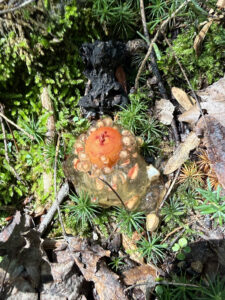
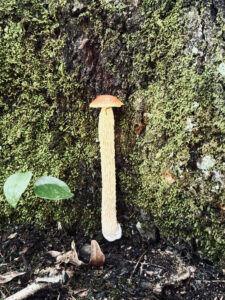
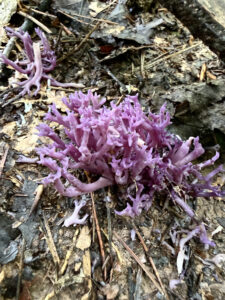
Things that look like they belong on another planet, but actually grow in Tennessee:
1. Stalked Puffball-in-Aspic
One of the strangest names—and strangest appearances—I’ve encountered in the woods.
This fungus looks like a miniature orange suspended inside a clear, gelatinous bubble.
2. Shaggy-stalked Bolete
This one belongs in a woodland fairytale.
3. Violet Coral Fungus
It looks more like a tiny underwater coral reef than something growing among the leaves.
@rbaburina
July 30, 2026
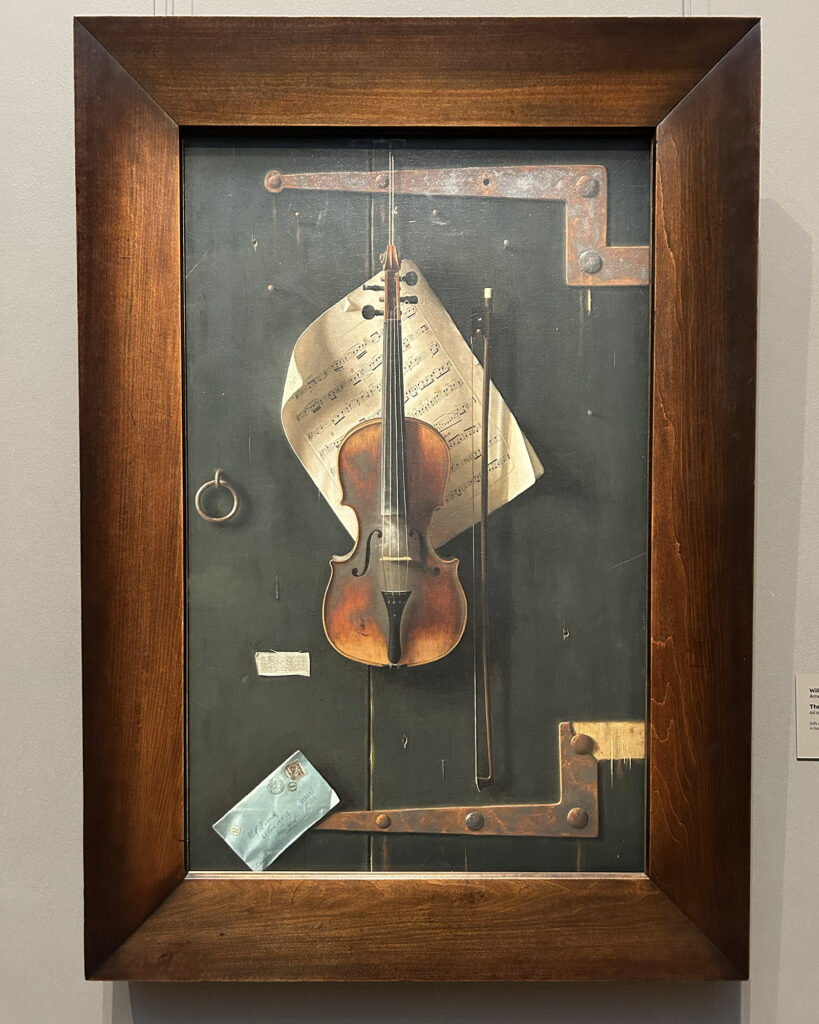
“Since the Industrial Revolution, people increasingly treated education as something like learning a skill so you can get a job. I think you’ve all realized that those days are over.
“I say back to the humanities. They will become the most important. Make humans become fully human. Become the best human you can be.
“You know, when we teach our children to dance, or to play music, or to play sports, most of us aren’t doing it so that our children will become professionals. We teach them these skills so they become more human.
“And now that’s what we’re going to have to do with everything. If AI pushes us to place memory and skill and knowledge out there, we will have to deliberately foster memory, skill, and knowledge in here.
“Learn poems. Read fairy tales. Go camping. Grow a garden. Be involved in your community, your family, your relationships, and don’t forget to pray.”
— Jonathan Pageau, 6/24/26
🖼️: William Michael Harnett, The Old Violin, 1886
@artmiddlekauff
July 31, 2026
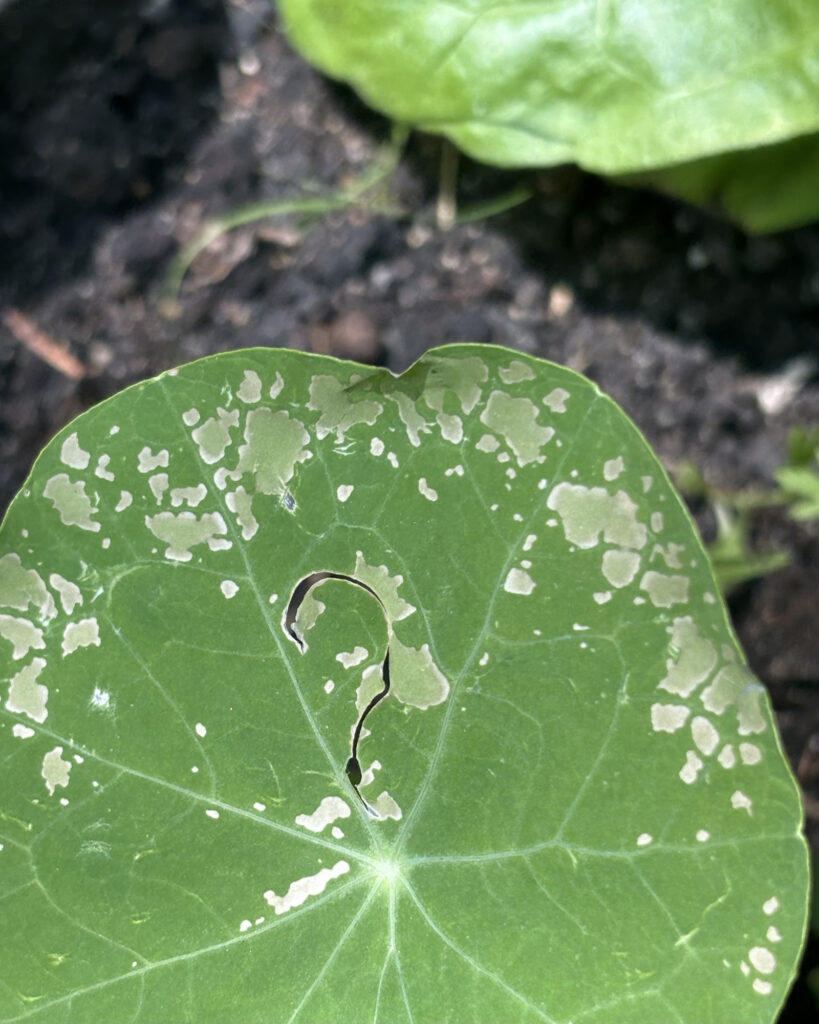
Who is eating these nasturtiums? Good question!
@antonella.f.greco
August 1, 2026
This Hummingbird Clearwing has been visiting my friend’s garden lately, and I can’t get over how much it looks like a tiny hummingbird hovering among the flowers. Another hummingbird moth, the beautifully named Snowberry Clearwing, takes the disguise in another direction—it looks almost exactly like a bumblebee!
@rbaburina
August 2, 2026
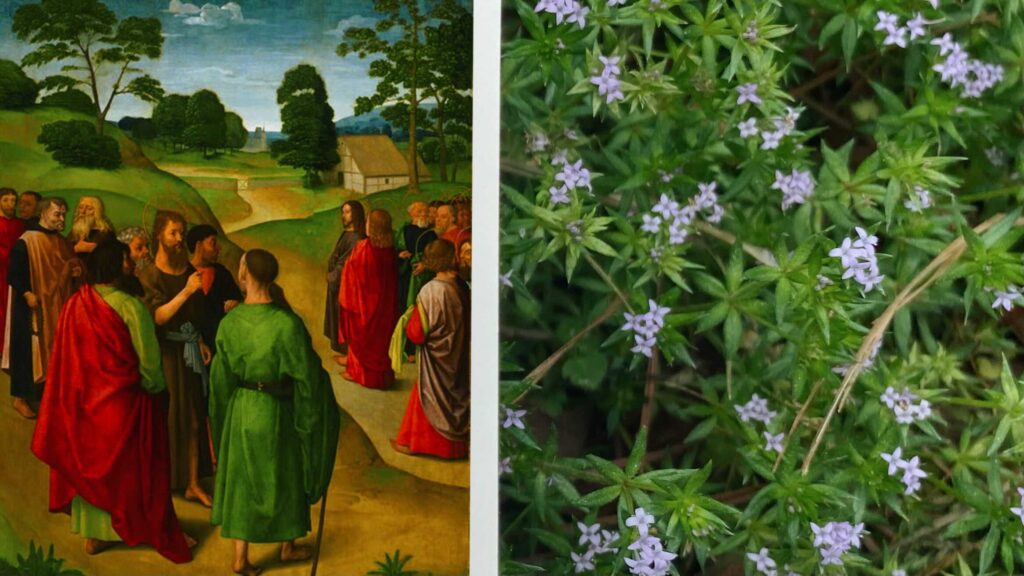
Before the encounter by the Sea of Galilee, before Jesus said, “I will make you fishers of men,” before the miraculous catch of fish, in Bethany beyond the Jordan, Andrew and the Beloved Disciple met Jesus. A first encounter perhaps too precious to record in the disciple’s timeless memoir. The Lord simply said to them, “What do you seek?”
“What seek ye?” wrote Charlotte Mason, “still His word to thee and me.”
Experience this first tender meeting with the Savior, by reading or hearing Charlotte Mason’s poem here.
@artmiddlekauff
🖼️: Saint John the Baptist Pointing Out Christ as the Lamb of God by Master of the Saint John Altarpiece