CMP Review 2026-09-01
September 1, 2026
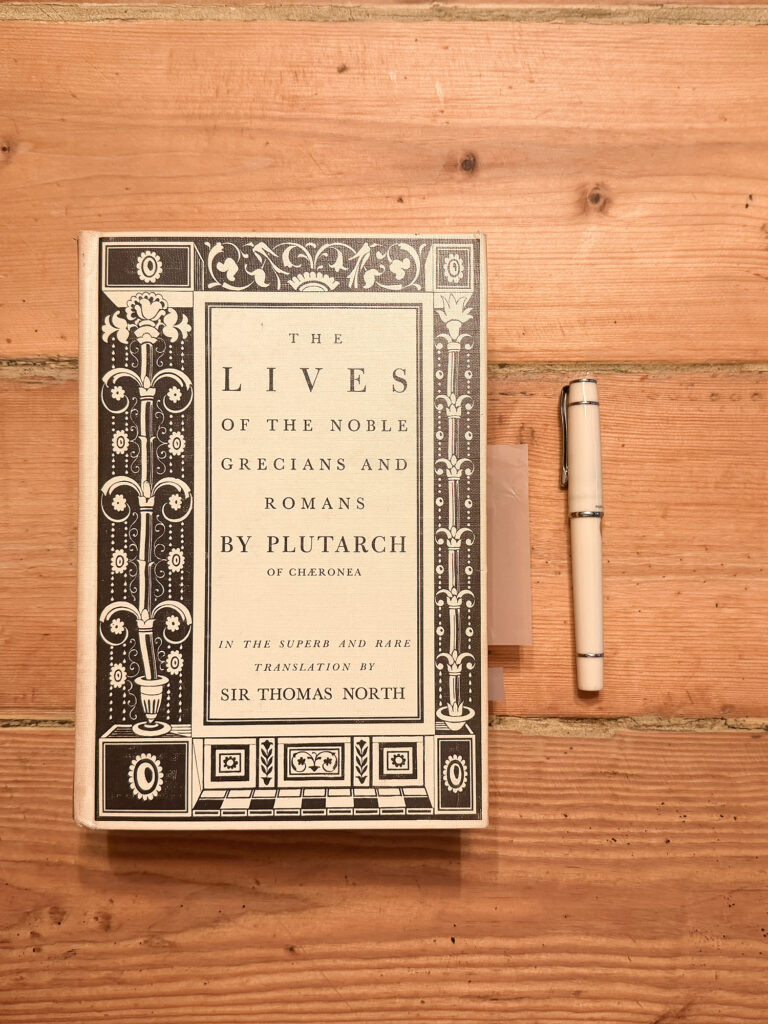
“Citizenship” was a familiar subject in the PNEU programmes for Forms II to IV, followed by “Every-Day Morals and Economics” for Forms V and VI. Many modern Charlotte Mason curricula follow this precedent and include a spot for “citizenship” in their booklists and/or time tables.
But what exactly is meant by “citizenship” and how is it taught and learned in the Charlotte Mason method?
That is the question that House of Education graduate Laura Faunce set out to answer at the Conference of Educational Associations in London in 1921. She was no stranger to the topic, as she had presented on “How We Teach Citizenship” at 17th annual PNEU Conference eight years earlier.
One thing Miss Faunce made abundantly clear to her London audience is that citizenship is not a self-contained topic that can be easily fit into a single slot of the day or curriculum. “The subject,” she explains, “should be taught incidentally as the occasion arises; and it will arise, again and again, in the ordinary routine of a school curriculum; in history, in biography, in the fairy tale, and in literature.”
How can this be done? Faunce’s fascinating 1921 address explains how, including rare insights on how to incorporate discussion as a supplement to narration. Her talk was printed in the Parents’ Review, but has not been available to modern readers. Today we change that. Read or hear Faunce’s helpful piece here.
@artmiddlekauff