The CMP Review — Week of August 31
August 31, 2026
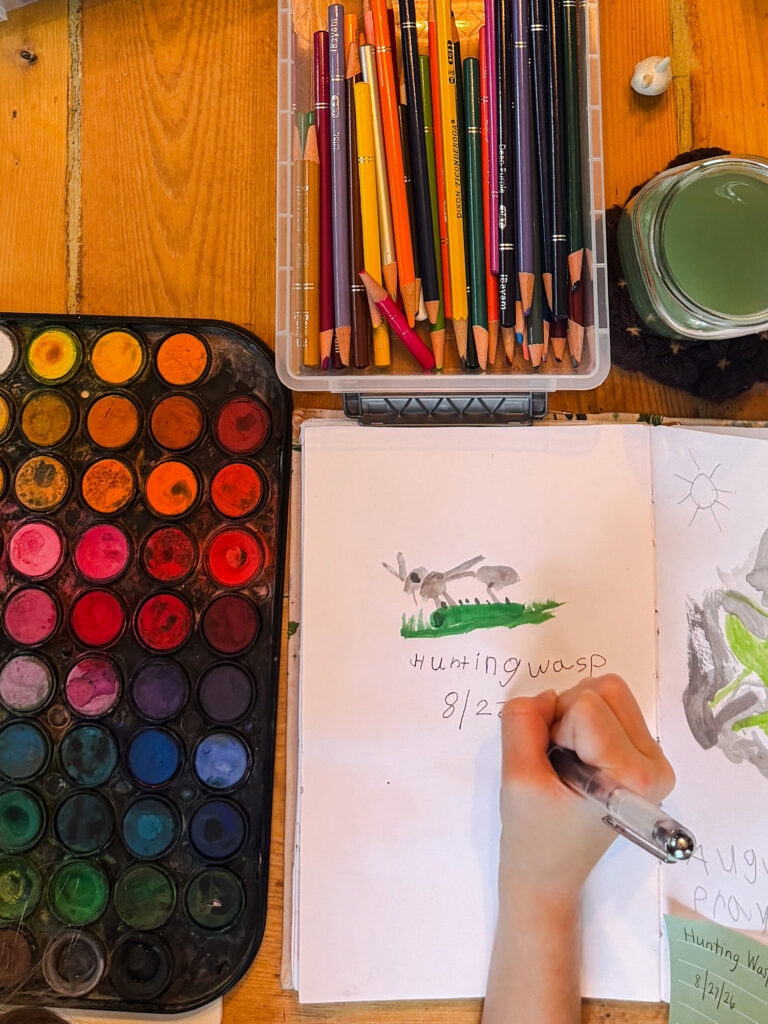
“In return for our discriminating and loving observation, she gives us the joy of a beautiful and delightful intimacy, a thrill of pleasure in the greeting of every old friend in field or hedgerow or starry sky, of delightful excitement in making a new acquaintance.” (Ourselves, Bk II, p. 98)@tessakeath
September 1, 2026
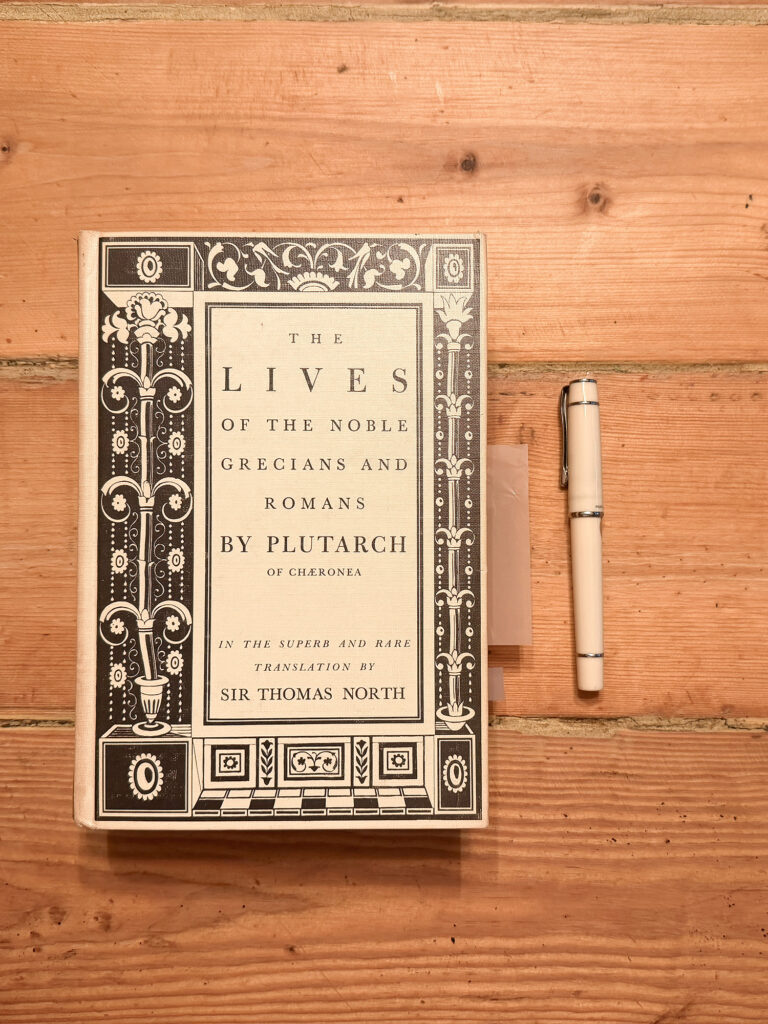
“Citizenship” was a familiar subject in the PNEU programmes for Forms II to IV, followed by “Every-Day Morals and Economics” for Forms V and VI. Many modern Charlotte Mason curricula follow this precedent and include a spot for “citizenship” in their booklists and/or time tables.
But what exactly is meant by “citizenship” and how is it taught and learned in the Charlotte Mason method?
That is the question that House of Education graduate Laura Faunce set out to answer at the Conference of Educational Associations in London in 1921. She was no stranger to the topic, as she had presented on “How We Teach Citizenship” at 17th annual PNEU Conference eight years earlier.
One thing Miss Faunce made abundantly clear to her London audience is that citizenship is not a self-contained topic that can be easily fit into a single slot of the day or curriculum. “The subject,” she explains, “should be taught incidentally as the occasion arises; and it will arise, again and again, in the ordinary routine of a school curriculum; in history, in biography, in the fairy tale, and in literature.”
How can this be done? Faunce’s fascinating 1921 address explains how, including rare insights on how to incorporate discussion as a supplement to narration. Her talk was printed in the Parents’ Review, but has not been available to modern readers. Today we change that. Read or hear Faunce’s helpful piece here.
@artmiddlekauff
September 2, 2026
Did you know Edith Holden and her siblings were home educated by their mother?
With a steady diet of literature, poetry, painting and nature, it came as no surprise that four of the girls went on to become successful artists, illustrators, and authors who worked in a variety of media. Edith, Violet, and Evelyn attended the Birmingham School of Arts on scholarships, while Effie traveled to Sweden to study the Arts & Crafts movement.
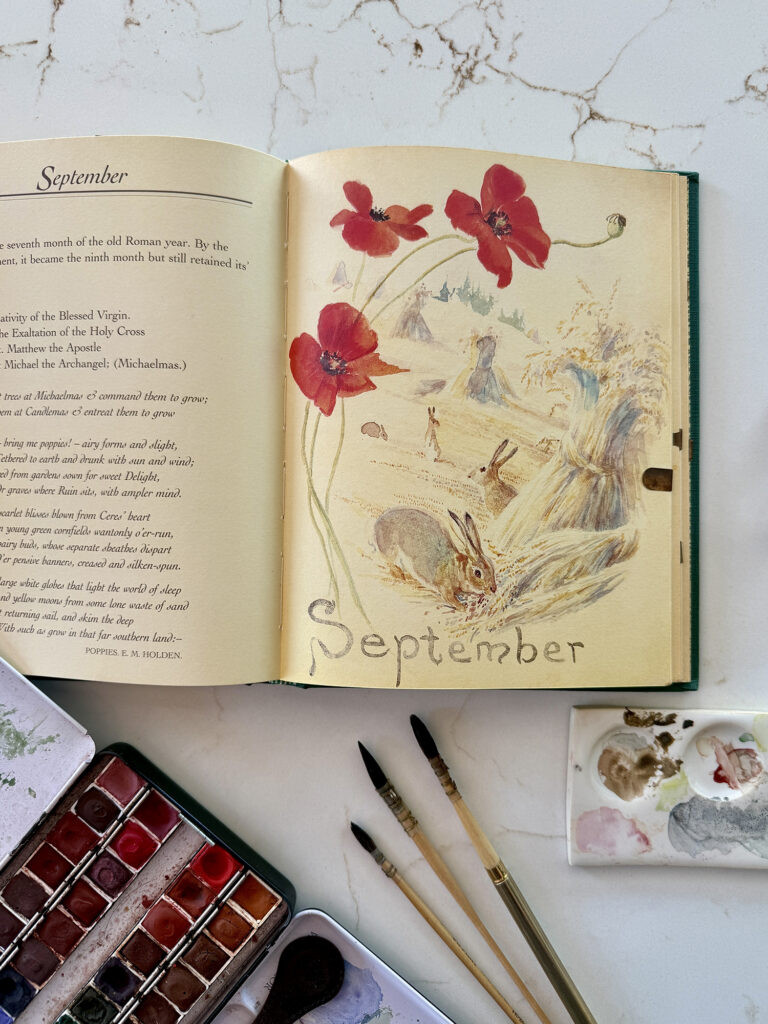
Edith illustrated Effie’s poetry, and an example is found in the double-page spread shown here with the poem “Poppies”:
Go — bring me poppies! — airy forms and slight, Tethered to earth and drunk with sun and wind;Gathered from gardens sown for sweet Delight, Or graves where Ruin sits, with ampler mind.
More examples can be found in The Nature Notes of an Edwardian Lady under the names E. M. Heath and E. M. Holden.
@rbaburina
September 3, 2026
According to Essex Cholmondeley, in 1890 Charlotte Mason was “busy lecturing.” On one speaking tour she visited Sheffield, a city about 120 miles southeast of Ambleside.
Within months after Miss Mason’s visit, a new PNEU branch “sprang to life.” An early featured speaker at this Sheffield branch was Thomas Rooper, who spoke at both the October and November 1891 meetings. These lectures were later published in the Parents’ Review, and I’ve read and enjoyed them both.
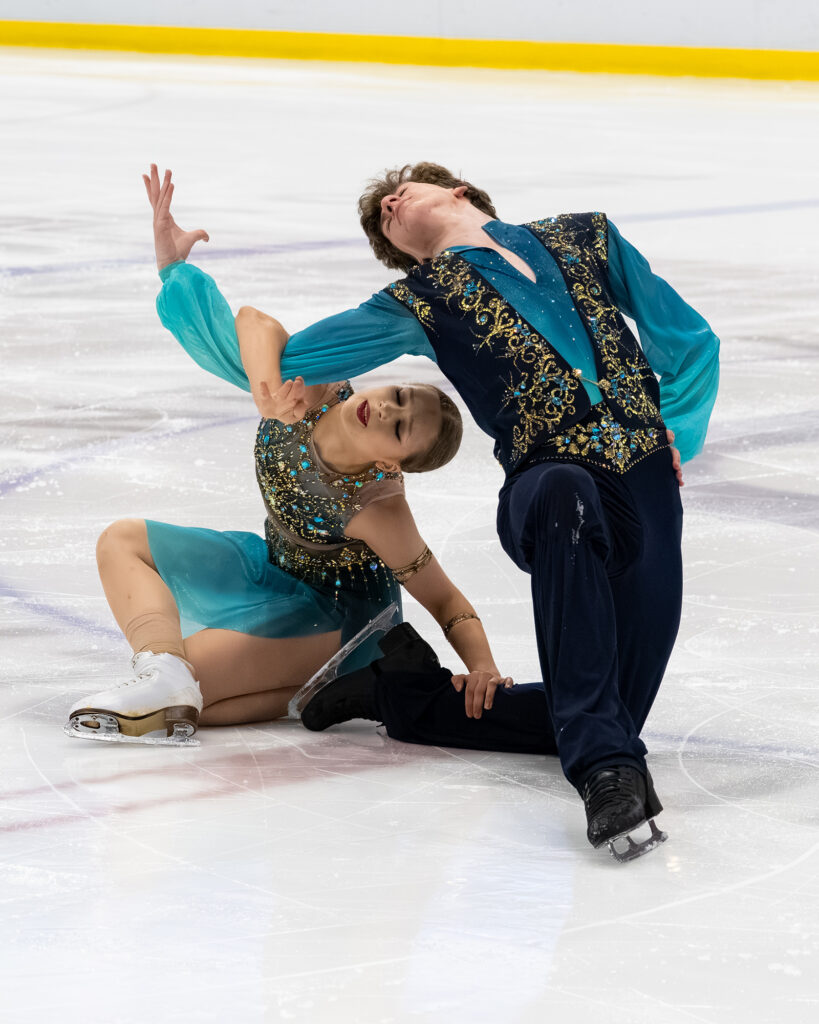
This week I’m in Sheffield. But it’s not to research Charlotte Mason’s visit or the early days of the PNEU. I’m here because my son is competing at the second annual Bolero Cup.
But my visit does have something to do with Charlotte Mason after all. My son was homeschooled from birth using this method, which urged us to educate the whole person, body, mind, and spirit. And it urged us to see how the whole person is involved in beautiful activities such as dance.
But Charlotte Mason taught me something else. If a child is a person, as she so cogently argued, then it seems wise for a father to listen when his child dreams. And to take those dreams seriously.
@artmiddlekauff
September 4, 2026
We’ve been enjoying watching so many critters these days, both flying and non.
Enjoy the juxtaposition of the large and small insects together, the variety of insects enjoying my strawflower, that bee’s proboscis sticking right out (what a wonderful surprise), the red beetles, the tiny slug, the ants “milking” the aphids, and the fuzzy yellow caterpillar.
I am very thankful for the eyes of my little friends who alerted me to some of these goings on!
@antonella.f.greco
September 5, 2026
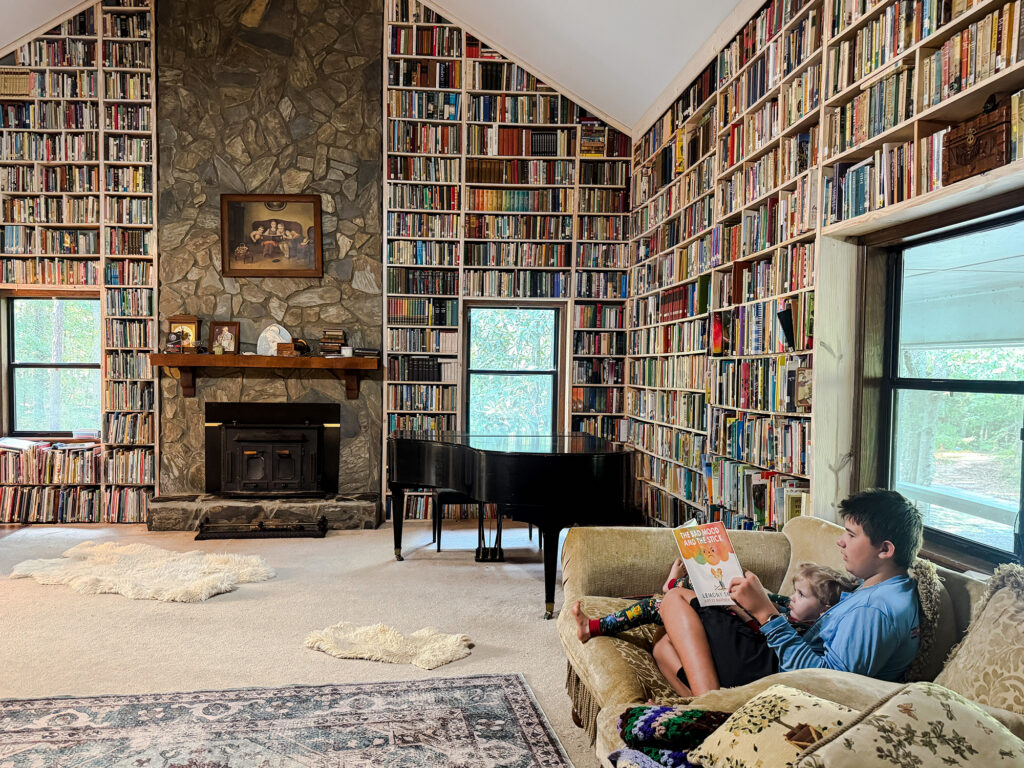
“Little by little, all working together, do we train our children and teach them to train themselves, till the day comes when our nestlings fly away to make homes for them selves. Day by day do we make for ourselves a home harmony whose key-note is self-control, sounded on the organ of love. The birds that fly away echo back the old home melody, it rings on and lives again.” (“The Search for the Ideal in Our Home Life”, PR16) @tessakeath
September 6, 2026

In Cana of Galilee, according to the Apostle John, Jesus “manifested his glory; and his disciples believed in him.” It was His first sign: turning water into wine. After this dramatic passage, John’s next verse presents a striking contrast: “After this he went down to Capernaum, with his mother and his brethren and his disciples; and there they stayed for a few days.” Why after all this talk of glory and signs does the apostle describe time with family?
Indeed, “Why does John the Evangelist mention this?” asks Lawrence R. Farley.
Fr. Farley answers his own question: “By mentioning Jesus’ disciples as joining with His mother and brothers, John wants to make the point that discipleship to Christ means becoming part of His family. That is why, at the end of His ministry, Christ entrusts His Mother to the Beloved Disciple, John himself (19:26–27)—all who believe in Him are one family, and the closest of familial ties bind them all in one.”
Charlotte Mason saw some of this richness in an easy-to-overlook verse. She devoted a short poem to contemplate this family time, a time that invites us all to join in. Read or hear the poem here.
@artmiddlekauff
🖼️: Marriage at Cana by Paolo Veronese