The CMP Review — Week of September 7
September 7, 2026
“A household which is transformed into a good place for both grown-ups and children to live in is the only household worth calling a home. Living together is a perilous business. The supreme art—how we realise it in these days!—is the art of good human relations. And if you by grace—yes, and by discipline—can create a harmony in your home which makes it a delight to live in, you are an artist as surely as if you wrote a great book, painted a beautiful picture, or composed a heavenly piece of music.” (“Children in the House”, PR51)@tessakeath
September 8, 2026
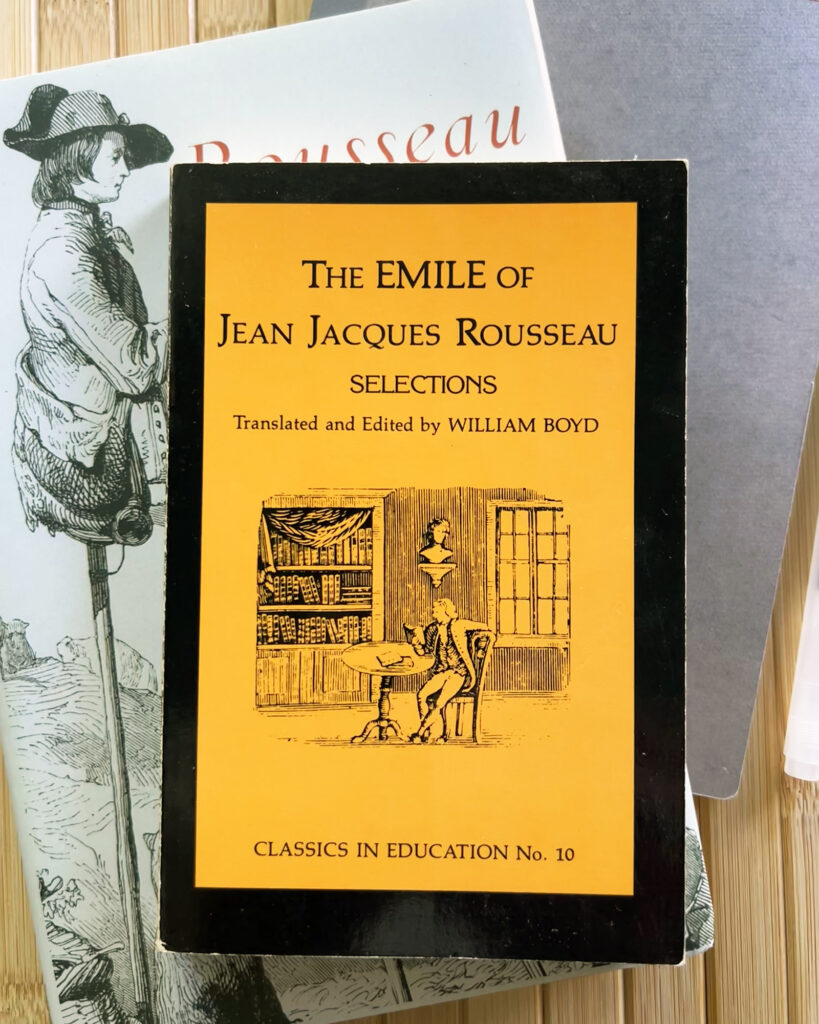
Jean-Jacques Rousseau. Victim or villain? Visionary or vacuous? Harbinger of light or darkness? For some the answer is obvious. Others are not so sure. And what did Charlotte Mason think? Readers of her volumes are not always sure whether he should be seen as generally or grudgingly good, partially or completely bad.
In 1921, while Charlotte Mason was editor of the Parents’ Review, a helpful article was published. Entitled simply “Rousseau,” it sheds light on how to think about this important and controversial figure. And perhaps it sheds light on how Mason thought about him, too. Expand your knowledge and refine your judgement by considering the article here.
@artmiddlekauff
September 9, 2026
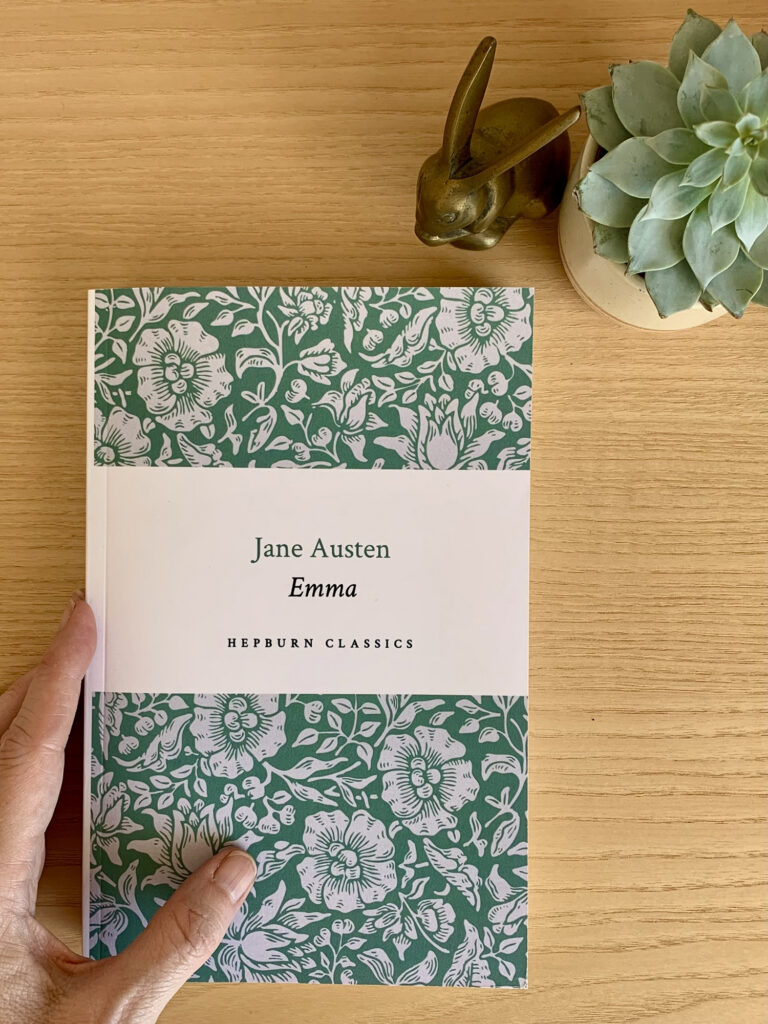
On September 9, 1814, Jane Austen wrote a letter to her niece, containing some of the best writing advice in literary history: “3 or 4 Families in a Country Village is the very thing to work on.”
In which country village would you most like to find yourself?
- Longbourn or Meryton from Pride and Prejudice
- Highbury or Donwell from Emma
- Barton from Sense and Sensibility
- Uppercross or Kellynch from Persuasion
- Fullerton from Northanger Abbey
Barton Cottage would do very well for me.
@rbaburina
September 10, 2026
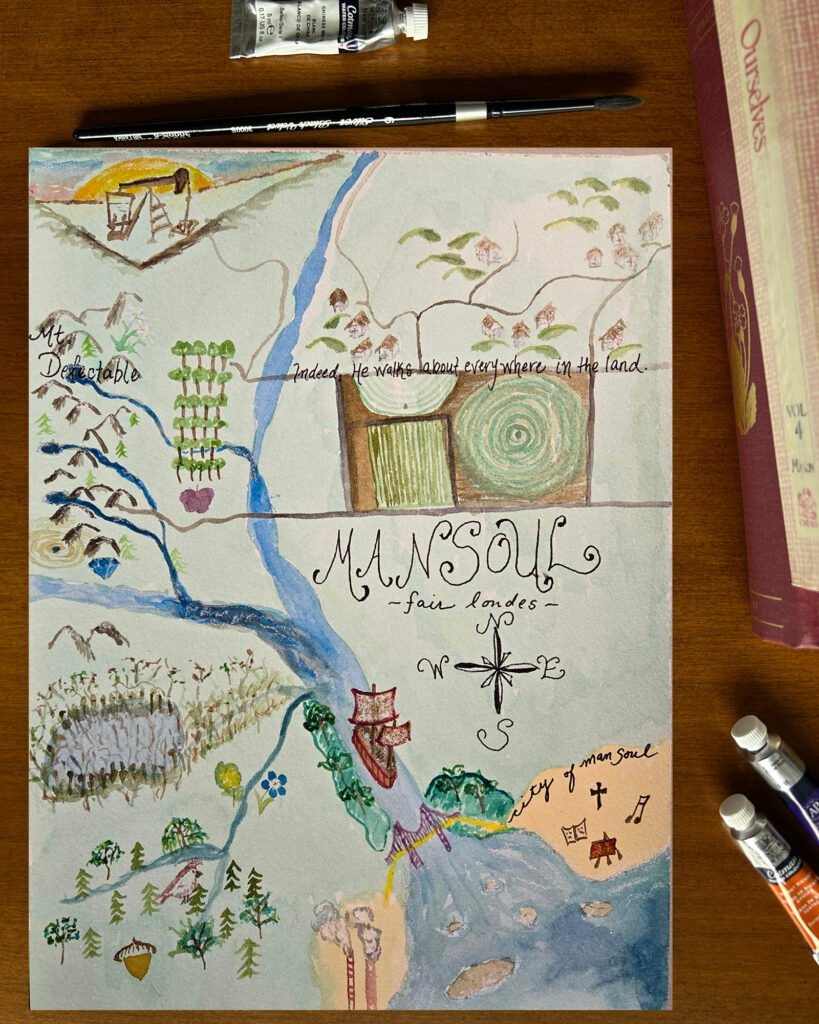
“There is no occasion for panic,” writes Charlotte Mason, “but it is time that we realised that to fortify the will is one of the great purposes of education, and probably some study of the map of the City of Mansoul would afford us guidance: at least, a bird’s eye view of the riches of the City should be spread before children.”
Now is this “map of the City of Mansoul” an actual physical drawing? Or is Mason talking about a purely mental model? According to Laurie Bestvater, “the ‘map’ is metaphorical and [Mason] refers to it in the first half of her unique book Ourselves” (The Living Page, p. 36).
Nevertheless, Bestvater cites a “private conversation with Kristy Fittro, daughter of Susan Schaeffer Macaulay.” In that conversation, Fittro explained that in her school, “the students drew, episode by episode,” visual narrations of Pilgrim’s Progress.
This conversation prompted Bestvater to imagine “a project undertaken upon the reading of the first book of Ourselves, wherein students design an artistic or visual narration—their own map of Mansoul.”
This project no longer need be merely imagined, as many have undertaken it. Have you? Do you have a picture to share?
@artmiddlekauff
🖼️: @heidibuschbach
September 11, 2026

This is one of the most beautiful spiders I have ever seen.
And look at the stripes on its legs!
There is just something breathtaking about this spider to me.
I was so very glad when my little friends came to get me. The brought me to where they had been watching it on some plants in a neighbourhood ditch.
@antonella.f.greco
September 12, 2026

“The children should be taught to observe the position of the sun in the heavens from hour to hour, and by his position, to tell the time of day.”
Charlotte Mason tells us how a simple observation opens into a world of knowledge. The sun moves across the sky. Shadows lengthen and shorten. A child notices—and then asks why.
“And thereby hangs a wonderful tale,” Charlotte says: a larger story of the sun and earth, their relative sizes, and the movements of our planet.
“This pleasant earth of ours is not to be overlooked in the out-of-door education of the children.”
Home Education, pp. 72–73
@rbaburina
September 13, 2026
The year 1778 saw the posthumous publication of a major work by Samuel Reimarus. Originally entitled An Apology for the Rational Worshippers of God, it “argued that Jesus had nothing divine about him; his activity would have been simply that of a political messiah, a kind of patriot leader who wanted to free the Jews from Roman rule. When he died, his disciples refused to accept the facts, … and went on to invent the news that he had risen.”
According to Barbara Frale (2011), the publication of Reimarus’s book “marks the start of the ‘quest for the historical Jesus,’” the beginning of “what used to be called ‘rational Christianity,’ which substantially denied the divinity of the Christ to assert the existence of a single and sole creator God, the rational principle of absolute goodness and the origin of all things.”
By the time of Charlotte Mason, “rational Christianity” had metastasized and was taking hold of thinkers and theologians everywhere she looked. Respectable leaders even within her own Church were saying that Jesus was just a model — and that to do good and to serve others is all that it really means to be a Christian.
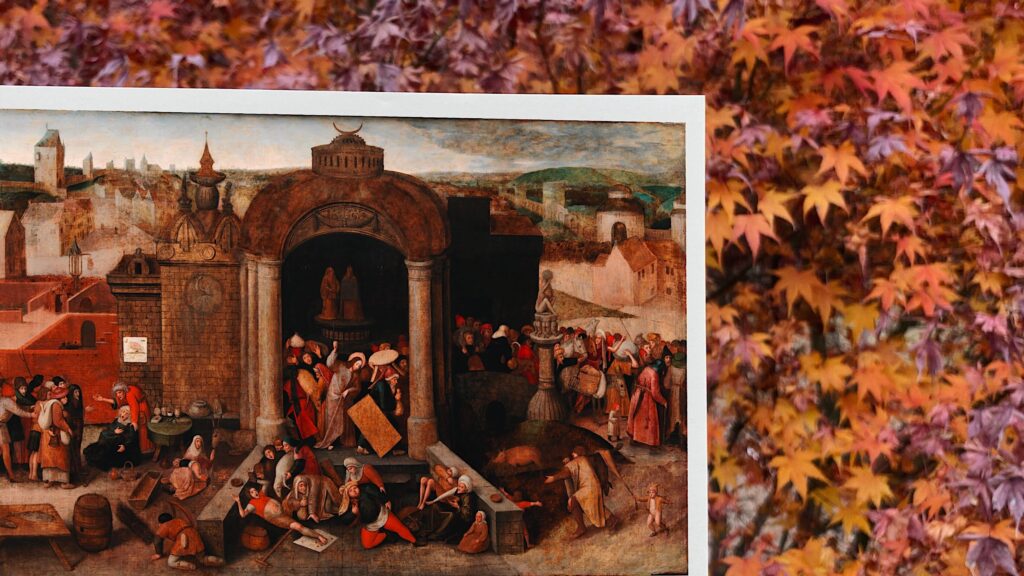
Mason did not have theological degrees and academic titles. But she did have a Bible. And in the Gospels, she saw the Jesus who is Christ. No mere political messiah or patriot leader. He came to His Father’s house, and anger burned in His eyes. In today’s poem, Mason bears witness to the Man who was King. She issues her poetical call to all believers everywhere to purge their hearts of false conceptions and make room for Messiah’s reign. Find it here.
@artmiddlekauff
🖼️: Christ Driving the Traders from the Temple by Pieter Brueghel the Elder