CMP Review 2025-07-06
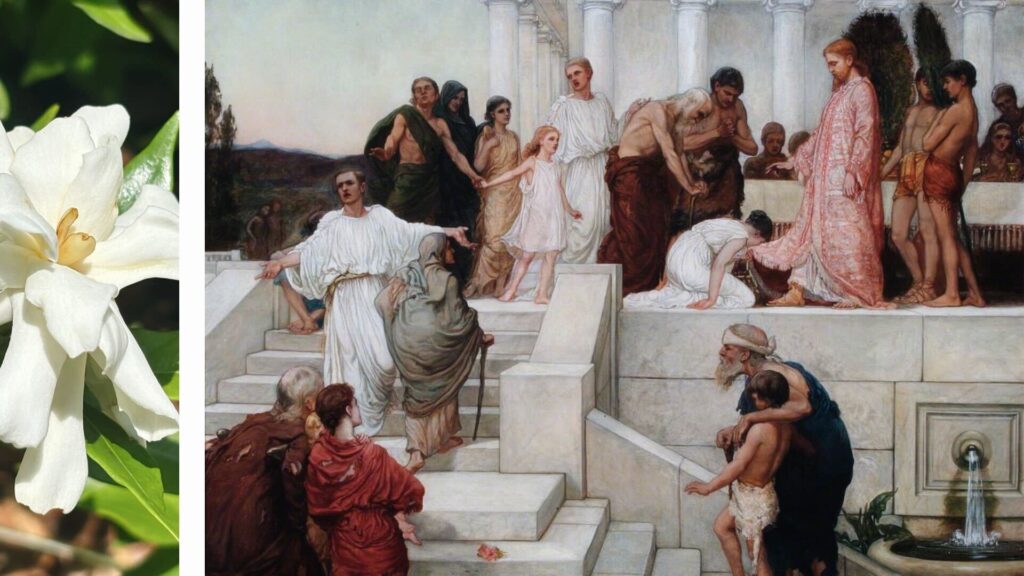
The meal setting of Luke chapter 14 concludes with verses 15–24. As D. L. Bock explains, “this is not an ordinary dinner party, nor is the conversation normal table talk. On the menu is theological and ideological reflection about what God is doing.” The final parable is no exception.
In Charlotte Mason’s poem, she observes that at this meal, “all Christ’s words were wholly lost,” for “one turned to Him with grave accost.” He called out, “Blessed is he who shall eat bread in the kingdom of God!”
On the surface of it, Christ’s response seems to surrender a straightforward interpretation. But N. T. Wright encourages us to dig deeper. “Christians, reading this anywhere in the world, must work out in their own churches and families what it would mean to celebrate God’s kingdom so that the people at the bottom of the pile, at the end of the line, would find it to be good news. It isn’t enough to say that we ourselves are the people dragged in from the country lanes, to our surprise, to enjoy God’s party. That may be true; but party guests are then expected to become party hosts in their turn.”
Follow this link to read or hear Charlotte Mason’s poetic reflection on this chapter.
@artmiddlekauff
🖼️: The Parable of the Great Supper by Theresa Thornycroft