CMP Review 2025-11-20
November 20, 2025
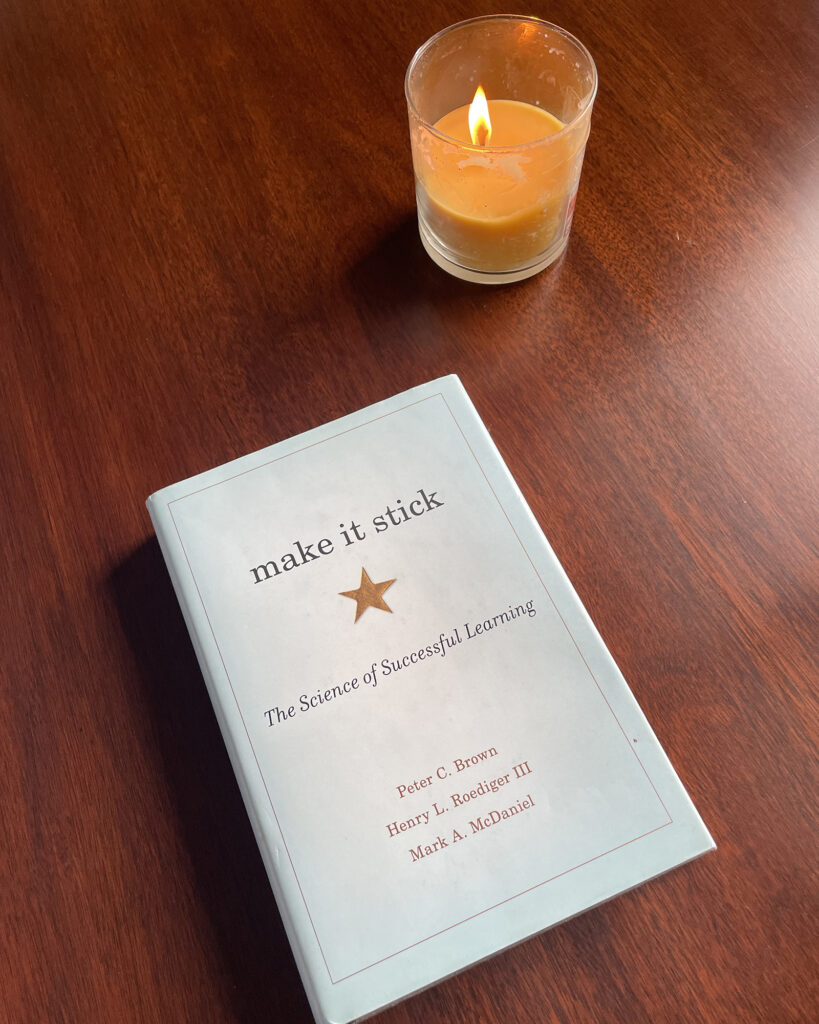
Charlotte Mason says that “knowledge is delectable.” This is because we are all born with a “natural desire for knowledge,” and when we get it, we are delighted.
But did you know that knowledge can also undermine our ability to teach? In their 2014 book Make It Stick, authors Brown, Roediger, and McDaniel explain the “curse of knowledge,” as described by physicist and educator Eric Mazur of Harvard:
The better you know something, the more difficult it becomes to teach it… Why? As you get more expert in complex areas, your models in those areas grow more complex, and the component steps that compose them fade into the background of memory (the curse of knowledge)…
“This presumption by the professor that her students will readily follow something complex that appears fundamental in her own mind is a metacognitive error, a misjudgment of the matchup between what she knows and what her students know. Mazur says that the person who knows best what a student is struggling with in assimilating new concepts is not the professor, it’s another student.
One way to escape the “curse of knowledge” is to teach with living books instead of oral lessons, so the teacher’s models don’t affect the learner’s discovery. But what about teacher-driven subjects like math, grammar, handicrafts, and even household chores?
I think Miss Mason points to a solution in Home Education when she says, “No work should be given to a child that he cannot execute perfectly.” By assigning tasks simple enough that the child can do well, we avoid overloading them with tasks beyond their ability. I think absolute patience is required from parents and teachers to ensure that students and children never miss out on one bit of the knowledge that was first delightful to us and can now be delightful to them.
@artmiddlekauff