CMP Review 2025-12-19
December 19, 2025
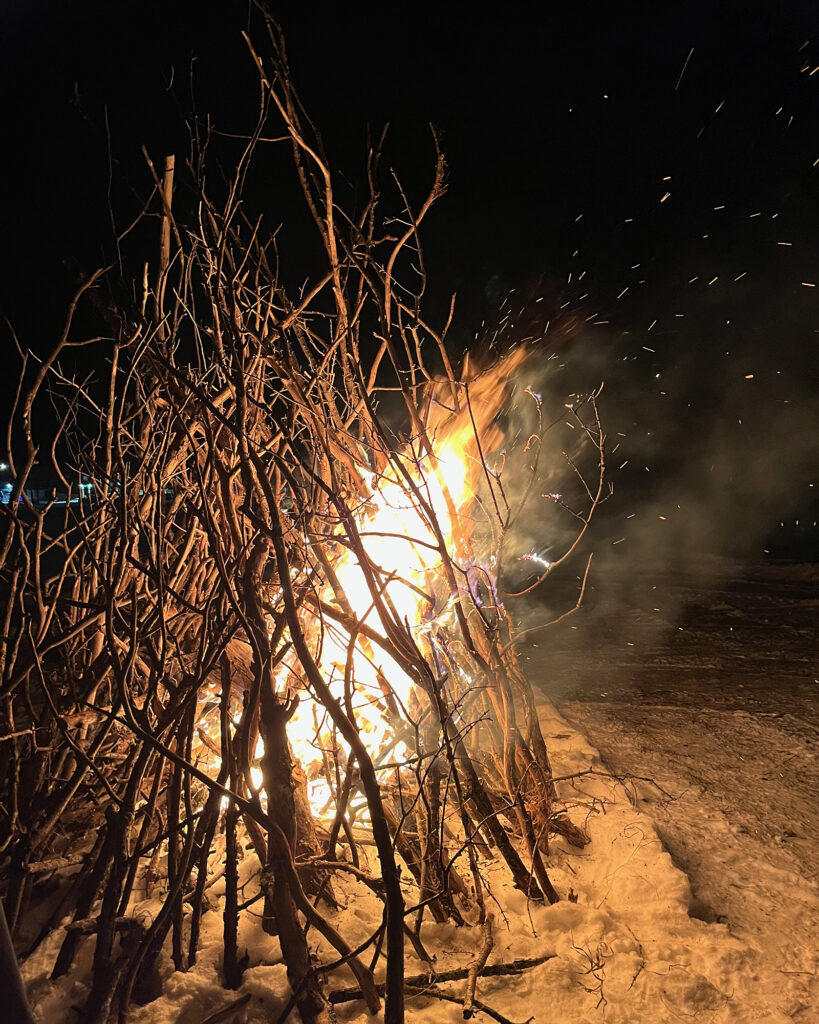
“Science, Art and Poetry ‘by the Spirit.’—But it is not only with high themes of science, art and poetry that the divine Spirit concerns Himself. It sometimes occurs to one to wonder who invented, in the first place, the way of using the most elemental necessaries of life. Who first discovered the means of producing fire, of joining wood, of smelting ores, of sowing seed, of grinding corn?
Ideas of Common Things.—We cannot think of ourselves as living without knowing these things; and yet each one must have been a great idea when it first made a stir in the mind of the man who conceived it. Where did he get his first idea? Happily, we are told, in a case so typical that it is a key to all the rest:—
’Doth the plowman plow all day to sow? doth he open and break the clods of his ground? When he hath made plain the face thereof, doth he not cast abroad the fitches and scatter the cummin, and cast in the principal wheat and the appointed barley and the rie in their place? For his God doth instruct him to discretion, and doth teach him. … This also cometh forth from the Lord of Hosts, which is wonderful in counsel, and excellent in working.’—Isa. xxviii. 24, etc.
‘God doth Instruct.’—In the things of science, in the things of art, in the things of practical everyday life, his God doth instruct him and doth teach him, her God doth instruct her and doth teach her. Let this be the mother’s key to the whole of the education of each boy and each girl; not of her children; the divine Spirit does not work with nouns of multitude, but with each single child. Because He is infinite, the whole world is not too great a school for this indefatigable Teacher, and because He is infinite, He is able to give the whole of his infinite attention for the whole time to each one of his multitudinous pupils. We do not sufficiently rejoice in the wealth that the infinite nature of our God brings to each of us.”
@antonella.f.greco