The CMP Review — Week of February 23
February 23, 2026

“The peaceful home was the one where each member of the family was getting what he needed. What do people need? Let us think of that. There is a difference between what people want, what they would really like and what they really need. Certain things we all need, grown ups, children, everyone.” (Essex Cholmondeley, Parents Are Peacemakers)
@tessakeath
February 24, 2026
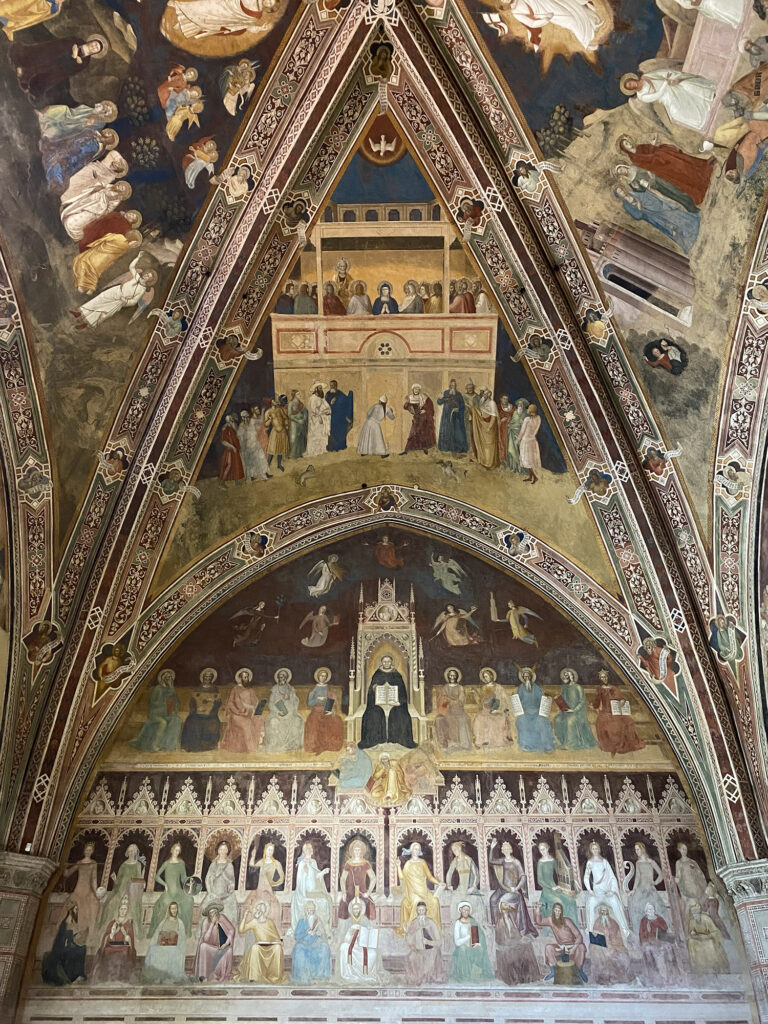
In the aftermath of World War I, members of 34 educational societies descended upon University College in London for their seventh annual conference. It was a time of reflection and rebuilding. “The course of the war has brought home to us our responsibilities in the matter of educational reconstruction,” remarked one notable professor.
It seemed to be a time for realism, if not cynicism. But in the face of all things practical and pragmatic, one speaker came forward with a message of idealism. She was not a professor or even a university graduate. Her main credential was a certificate from Charlotte Mason’s House of Education.
While others discussed the relative merits of education for vocation and culture, this speaker moved the conversation to an entirely different sphere. She declared that all knowledge “comes from God,” and “that there is no lesson which does not increase our knowledge of God.” For evidence she pointed to a fresco that she had learned about from Charlotte Mason herself.
Who was this humble speaker of courage and faith? It was none other than Helen Wix. Read or hear her beautiful address that shows us how to “hitch our wagon to a star.” Find it here.
@artmiddlekauff
February 25, 2026
Focusing on the same type of plant or tree throughout the seasons can deepen one’s relationship with it and help build a habit of nature journaling.
@rbaburina
February 26, 2026
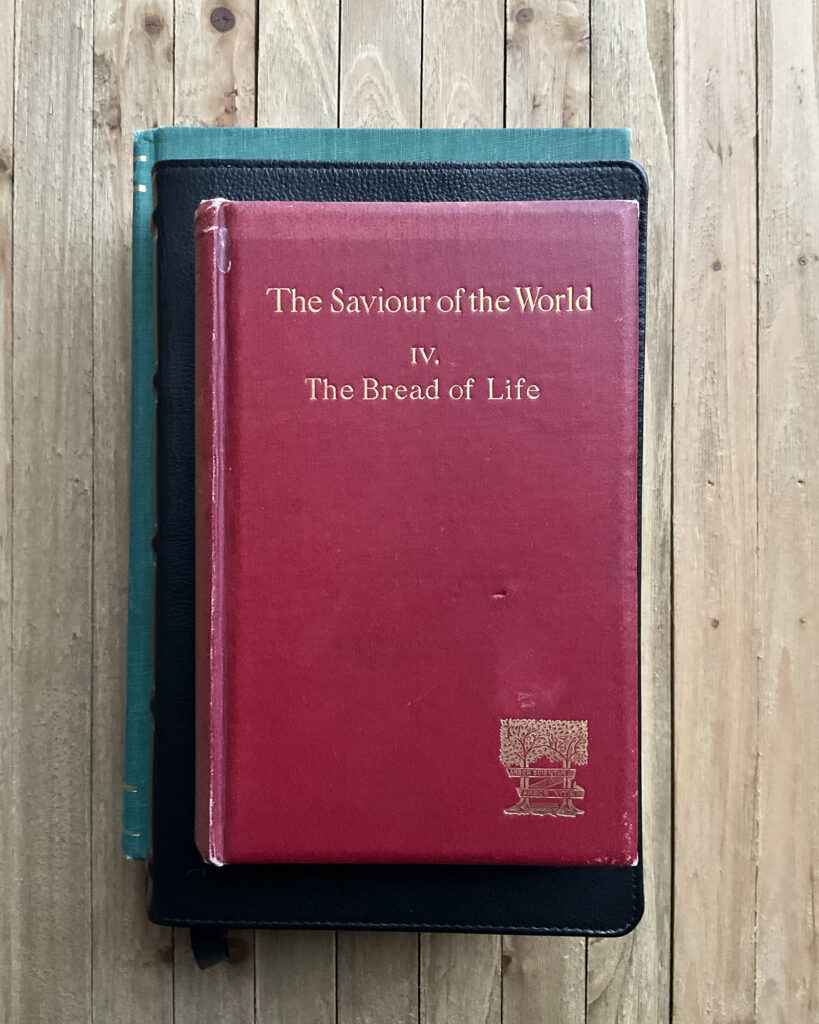
Charlotte Mason’s sixth volume, An Essay Towards a Philosophy of Education, contains this suggestive line on p. 169:
The higher forms in the P.U.S. read The Saviour of the World volume by volume together with the text arranged in chronological order.
For years I puzzled over what exactly this meant until I found several Parents’ Review articles and other resources that helped me piece together just what kind of Bible lesson Charlotte Mason was describing here. I first shared my research in an original article entitled “New Testament Lessons.”
The response to this article had been generally positive, but the most common question over the years has been, “How could all this fit into one 20-minute (Form III–IV) or 30-minute (Form V–VI) lesson?”
That is one reason I love to do immersion (or demonstration) lessons using The Saviour of the World. At a recent retreat, we attendees immersed ourselves in the beauty of Scripture, poetry, and the person of Christ. After being touched by grace and truth, we looked up at the clock. And indeed only 30 minutes had passed.
The best way to familiarize yourself with this rich approach to Bible study is to experience it yourself. It doesn’t have to be with your kids the first time — it can be with other parents in your church or co-op. Being touched by Miss Mason’s poetry yourself remains the strongest motivation to share it with others.
@artmiddlekauff
February 27, 2026
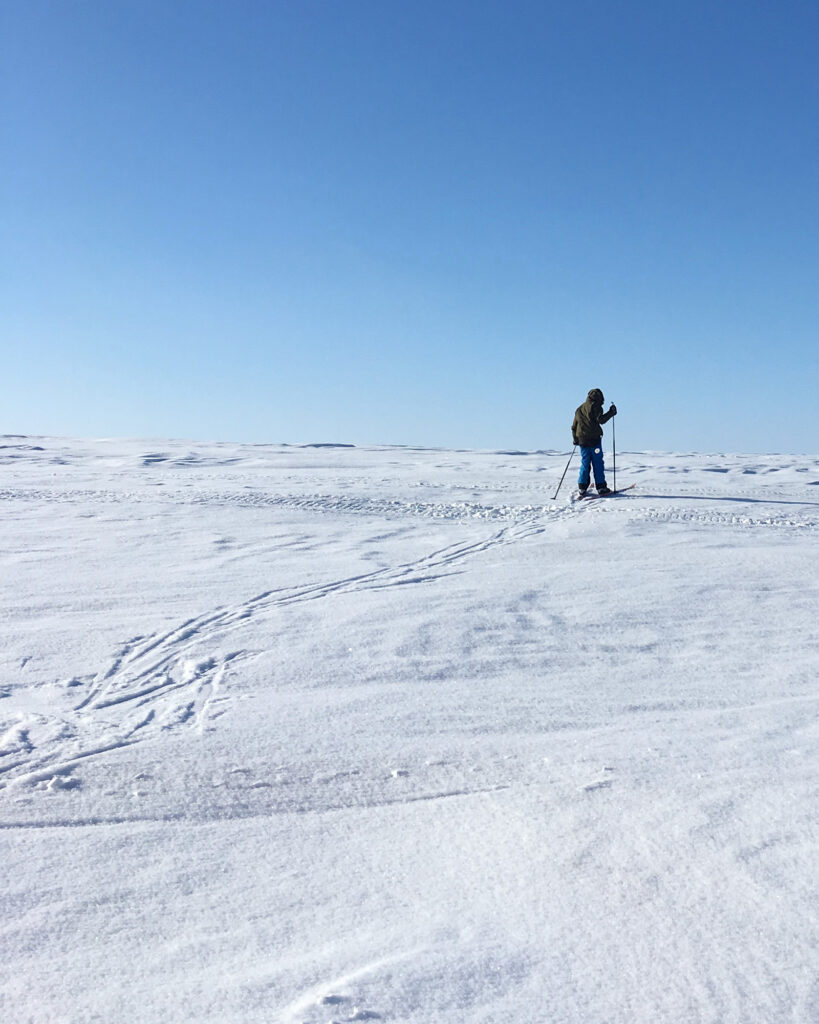
Canadian Ski Song
The hills lie white and silent sleeping in the snow
The trail lies tracked before us, tramped by other skis,
The sky is blue above us, urging us to go
And glide the mantled meadows, breast the upland breeze.
The Sumac cones glow crimson, red against the white,
A Blue-Jay blue and brilliant screams across the trail,
The snow beneath us crunches, faster grows our flight,
As swiftly o’er the waters glide the ships full-sail.
The energy of freedom fills the veins with fire,
The heart beats fast untrammelled, free as clouds that race
We climb and glide the uplands, found the heart’s desire,
The rush of air around us, the wind against the face.
The iron hills surround us, solemn in their sleep,
The susurrus of swishing skis fill the atmosphere,
As rhythmically gliding, swift where slopes are steep
We rush the narrow speed way, dropping sudden, sheer.
The ancient and eternal lure of snow and hill,
Now calls and ever will call, stir our lethargy,
Until we glide the ski-trail free of heart and will,
Free of the earth’s great uplands, free as the winds are free.
by Arthur S. Bourinot (1923, died 1969, Ottawa, Canada)
@antonella.f.greco
(This poem is about downhill skiing, but in the prairies we make do with cross country plus a few small hills here and there.)
February 28, 2026
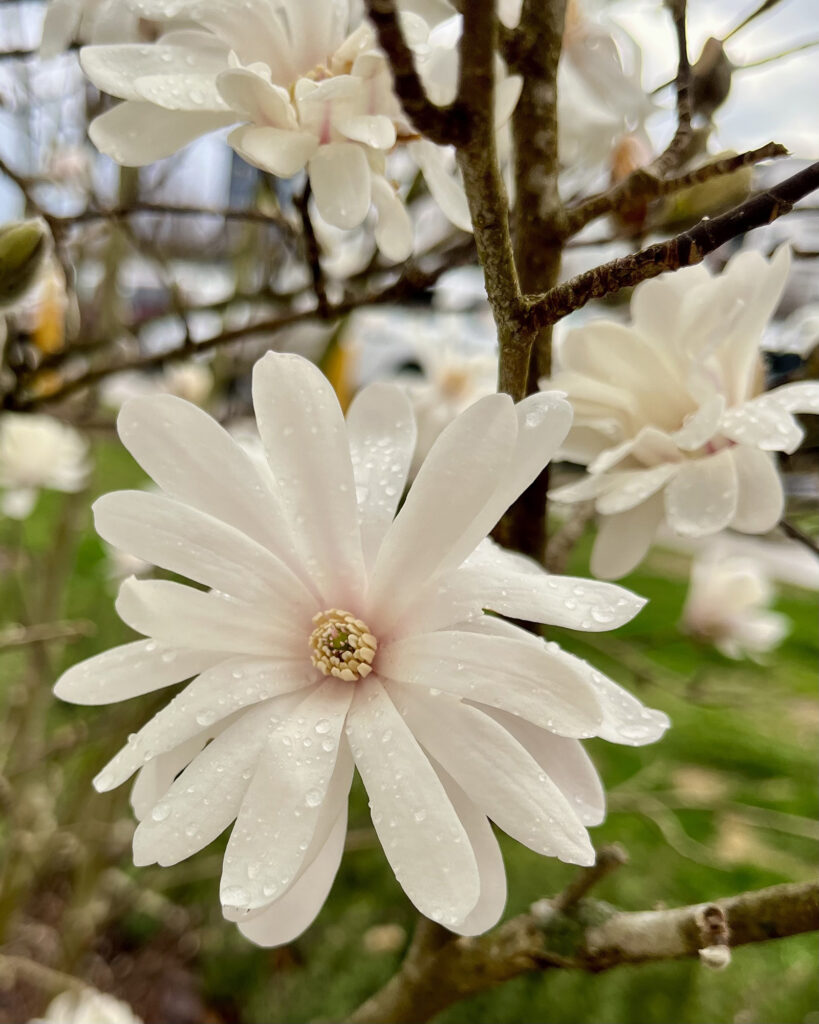
“One other thing she will do, but very rarely, and with tender filial reverence… she will point to some lovely flower or gracious tree, not only as a beautiful work, but a beautiful thought of God, in which we may believe He finds continual pleasure, and which He is pleased to see his human children rejoice in.” (Home Education, pp. 79–80).
@rbaburina
March 1, 2026
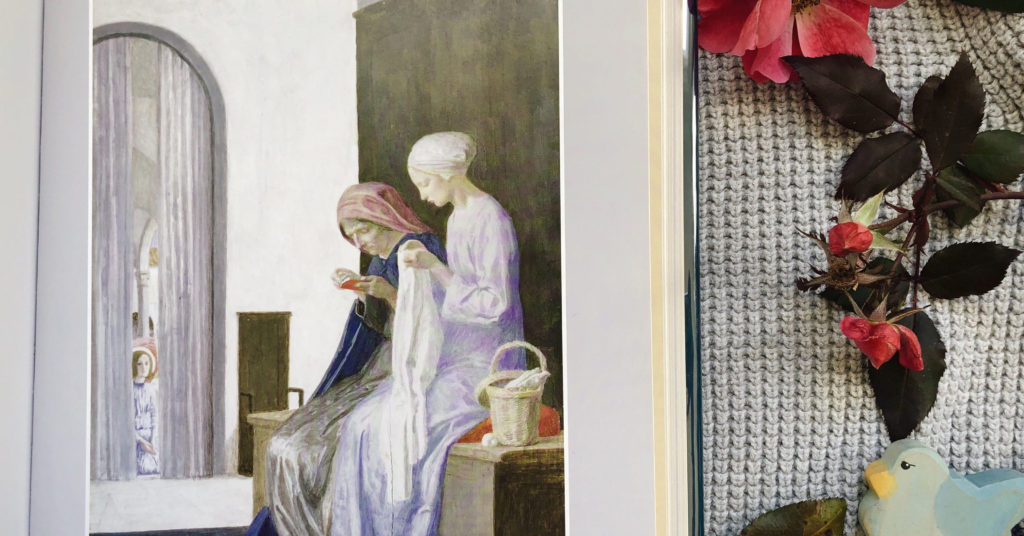
In Luke 1:39-55 we find the sacred account of the Visitation. Mary found herself in miraculous circumstances the world could never understand. Where could she go? She sought another woman who had also experienced the supernatural power of God. In one of my favorite poems by Charlotte Mason, the emotions of Mary are sketched with a reverent and sober hand. What follows is the Magnificat, a rare occurrence of poetry in the Greek New Testament, transformed here into English poetry with meter and rhyme. In words like music, “His secret—now, He maketh known.” Find it here.
@artmiddlekauff