The CMP Review — Week of January 19
January 19, 2026
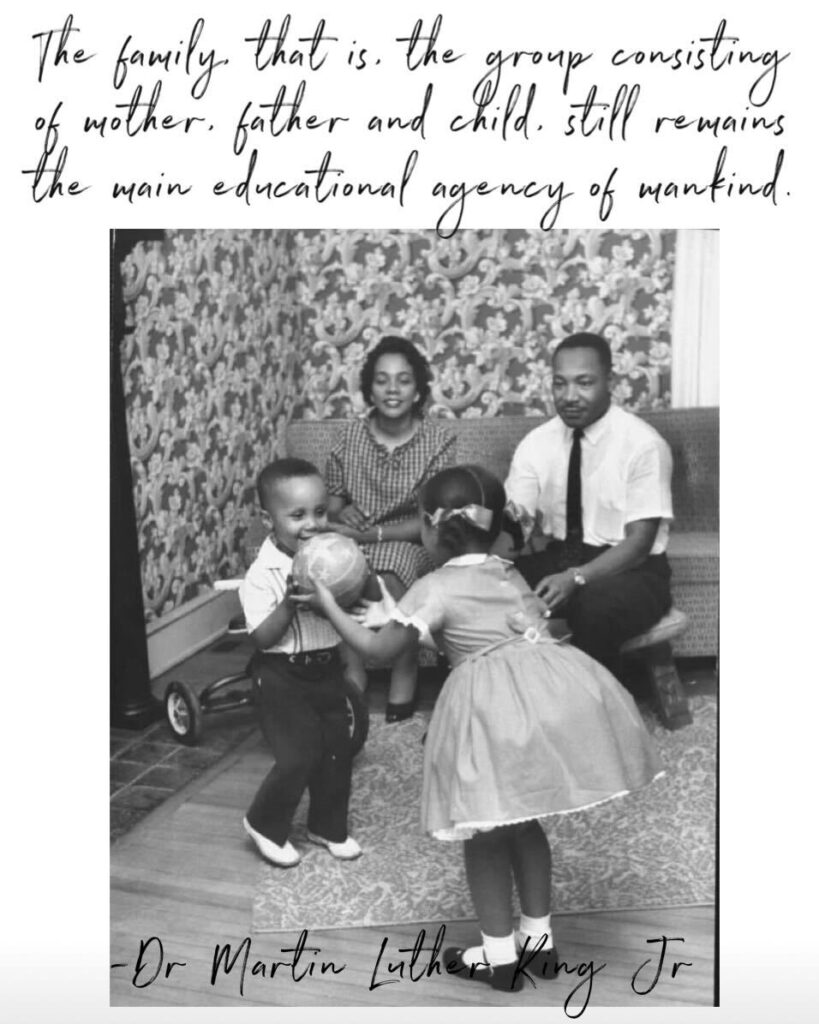
“Some 30 years ago Malinowski refuted these pessimistic and negative appraisals with the striking statement, ‘The family, that is, the group consisting of mother, father and child, still remains the main educational agency of mankind. Modern psychologists agree that parenthood as the dominant influence of infancy forms the character of the individual and at the same time shapes his social attitudes and thus places its imprint upon the constitution of the whole society.’ “… I endorse these conclusions and would emphasize one in particular. Family life not only educates in general but its quality ultimately determines the individual’s capacity to love. The institution of the family is decisive in determining not only if a person has the capacity to love another individual but in the larger social sense whether he is capable of loving his fellow men collectively. The whole of society rests on this foundation for stability, understanding and social peace.” (MLK)
January 20, 2026
“First, and infinitely the most important,” writes Charlotte Mason, “is the habit of obedience. Indeed, obedience is the whole duty of the child, and for this reason—every other duty of the child is fulfilled as a matter of obedience to his parents. Not only so: obedience is the whole duty of man; obedience to conscience, to law, to Divine direction.”
This categorical statement by Charlotte Mason in Home Education (p. 161) leaves little room for question about the place of obedience in the Charlotte Mason method. Indeed, it is a topic that Mason returns to again and again in her six volumes, consistently insisting that “the mother has no more sacred duty than that of training her infant to instant obedience.”
And yet we read in Ecclesiastes 7:18, “It is good to grasp the one and not let go of the other. Whoever fears God will avoid all extremes” (NIV). Could there be an extreme side even to this prince of virtues? Could there be an excess even in this most sacred duty of parenting?
An insightful and thought-provoking answer was written in 1921. Published in the Parents’ Review during Miss Mason’s lifetime by a PNEU insider and branch leader, this profound article elevates obedience to its proper place of respect, while frankly acknowledging its limitations in the raising of children who are persons. Read, listen, and share your thoughts. Find it here.
@artmiddlekauff
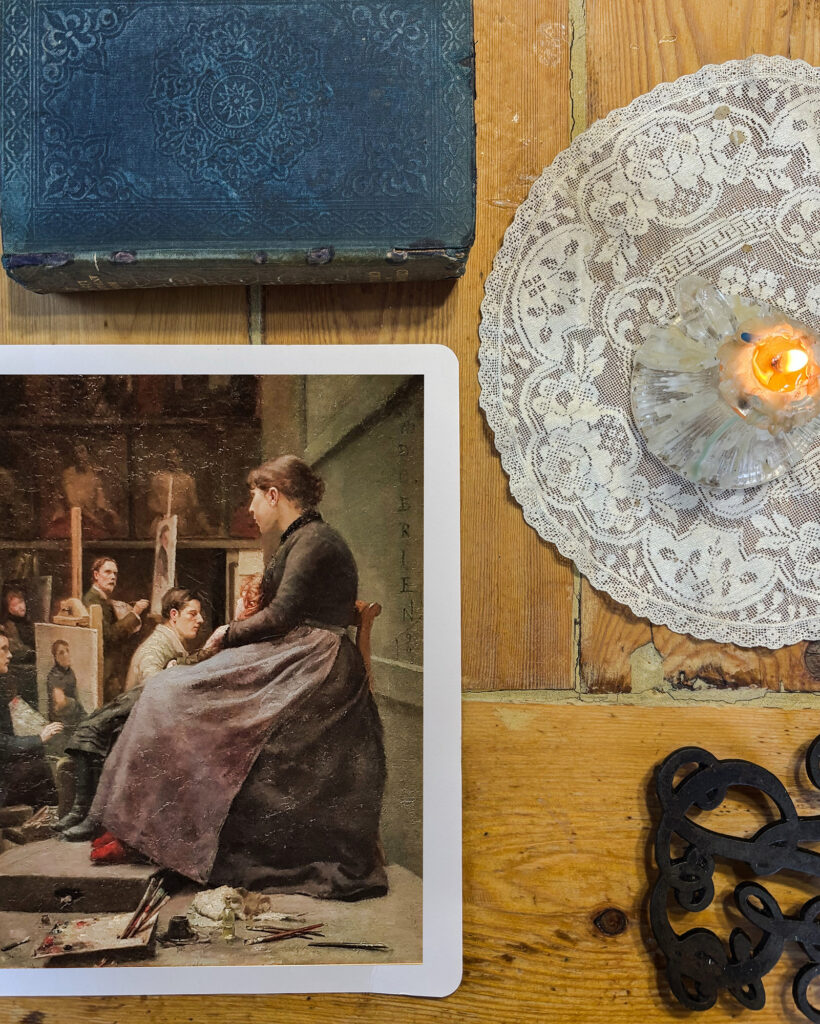
🖼️: The Fine Art Academy by Dermod O’Brien
January 21, 2026

“Neatness is akin to order, but is not quite the same thing: it implies not only ‘a place for everything, and everything in its place,’ but everything in a suitable place, so as to produce a good effect; in fact, taste comes into play.”
Home Education, p. 130.
@rbaburina
January 22, 2026
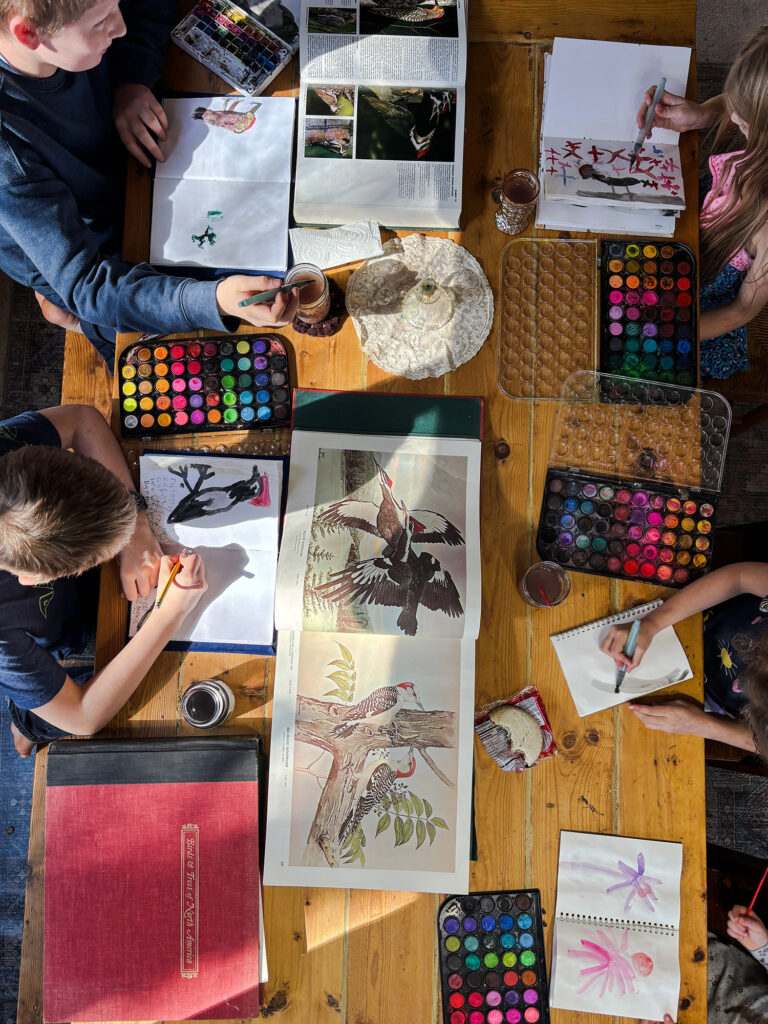
“In Science, or rather, nature study, we attach great importance to recognition, believing that the power to recognise and name a plant or stone or constellation involves classification and includes a good deal of knowledge. To know a plant by its gesture and habitat, its time and its way of flowering and fruiting; a bird by its flight and song and its times of coming and going; to know when, year after year, you may come upon the redstart and the pied fly-catcher, means a good deal of interested observation, and of, at any rate, the material for science. The children keep a dated record of what they see in their nature note-books, which are left to their own management and are not corrected. These note-books are a source of pride and joy, and are freely illustrated by drawings (brushwork) of twig, flower, insect, etc.” (School Education, p. 236)@tessakeath
January 23, 2026
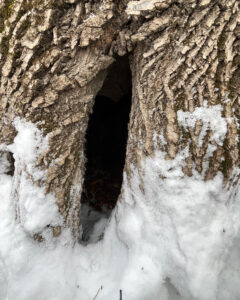
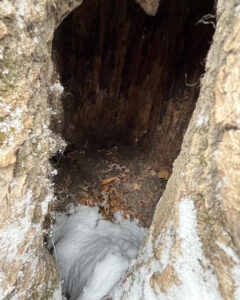
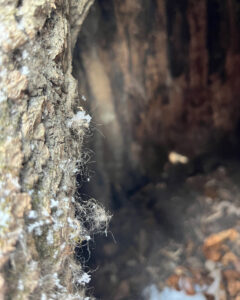
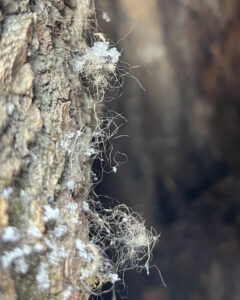
If you go on nature walks with people who are shorter than you, you will see things with new eyes!
Two of my little friends stopped to look into this hole in a tree. As we crouched down to look more closely, we saw bits of fur on the left-hand side of the opening, belonging to the little critters who rubbed up against that side of the tree trunk on their way in and out.
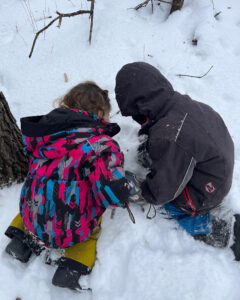
The bonus final image is of these little friends who, later in our romp, found dozens and dozens of dead bees on the top of the freshly fallen snow. We looked above us and saw a tree with a few large woodpecker holes very high up and we wondered if their beehive was up in one of those holes!
@antonella.f.greco
January 24, 2026
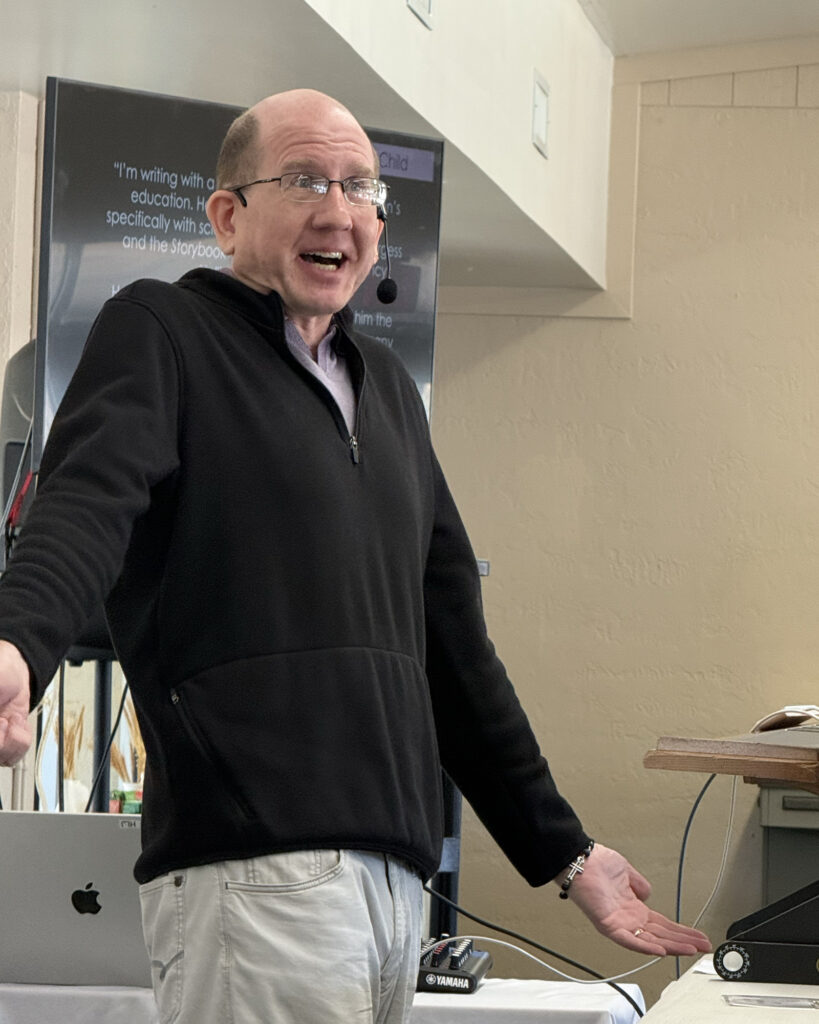
Yesterday and today I have the privilege of speaking at the Delightful Living Weekend in Jacksonville, Florida. It’s been a joy to share and reason with this lovely community of like-minded educators.
I opened with a talk that presented my credentials — or lack thereof.
“I don’t have a degree in education,” I said. “I’ve never been a professional teacher. My primary hobby used to be video games. I really only have one qualification: I’ve been transformed by the living ideas that Charlotte Mason put me in touch with. And that’s why I’m here.”
What a blessing to be so warmly received by an audience for whom that credential is enough.
@artmiddlekauff
📷: @heathercm
January 25, 2026
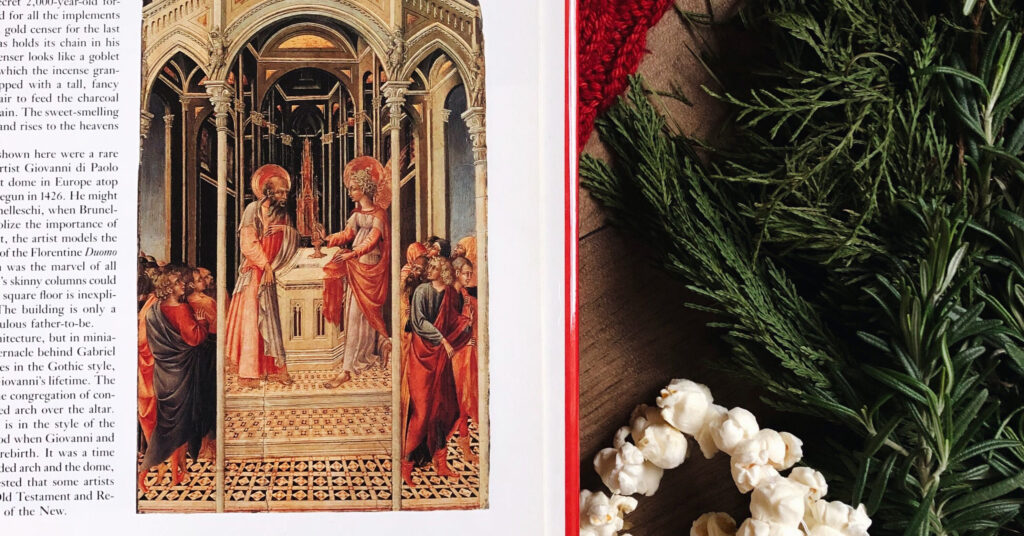
“The rise of Christianity was preceded by a long period of four hundred years, during which prophecy was silent,” writes J. R. Dummelow. “The advent of Christ was heralded by a great revival of prophecy, and by the restoration of direct communications from God to man through supernatural agency, as in the cases of Zacharias, Joseph, Mary, Elisabeth, Simeon, Anna, the shepherds, the Magi, and, in particular, John the Baptist, who, though he left no written prophecies, and worked no miracle, was declared by our Lord to be the greatest of the prophets, yea, and more than a prophet.”
Charlotte Mason highlighted the angelic encounter with Zechariah. She comments that “Zacharias met with grave rebuke, and a punishment was inflicted upon him, a punishment which gave pause to his thoughts and afforded him, we may believe, a time for blesséd contemplation.”
Let the story of Zechariah touch your heart through Charlotte Mason’s poetry. May it lead you to your own “time for blesséd contemplation.” Find it here.
@artmiddlekauf