The CMP Review — Week of April 13
April 13, 2026
“Fortitude.—Botticelli’s picture of Fortitude, and Ruskin’s interpretation of it, are among the lessons which Conscience should get by heart. This ‘Fortitude’ is no colossal figure, standing stark, bristling with combative energy. Noble in stature, she yet sits, weary after long-sustained effort; wistful, too, as who should say, ‘How long?’ But, though resting, she is wary and alert, still grasping the unsheathed sword which lies across her knees. She is engaged in a warfare whose end is not within sight; but hers is not the joy of attack. She is weary indeed, yet neither sorry for herself nor pleased with herself; her regard is simple. She has the ‘single eye’ which looks upon the thing to be done, not upon herself as the doer—the thing to be borne, rather, for Fortitude suffers.” (Charlotte Mason, Ourselves, Book II, p. 41)@tessakeath
April 14, 2026

In 1920, an estimated 20,000 children were being educated according to the Charlotte Mason method. They were all invited to a special week of learning, discovery, and exploration in Whitby. This would be the second Children’s Gathering of the Parents’ Union School.
We are told that “each child on his arrival found an envelope addressed to him containing a letter of welcome from Miss Mason, a beautiful badge on which the motto, his name, form and group were painted, a plan of the spa and a special time-table.” However, not every attendee was a child. Some, for example, were teachers. So on the opening night of the gathering, Miss Mason’s letter was read aloud.
It was a letter to the children but it clearly had a message for the parents and teachers as well. That is why it was read aloud and then published in the Parents’ Review. (Later an abridged version was included in In Memoriam.) Today we share the full version, as it would have appeared in your envelope, and as you would have heard on opening night. Find it here.
@artmiddlekauff
April 15, 2026
The children’s laughter rings as sweetly as the water.
“We were all meant to be naturalists, each in his degree, and it is inexcusable to live in a world so full of the marvels of plant and animal life and to care for none of these things.”
Charlotte Mason, Vol. I, p. 61
@rbaburina
Video @aolander
April 16, 2026
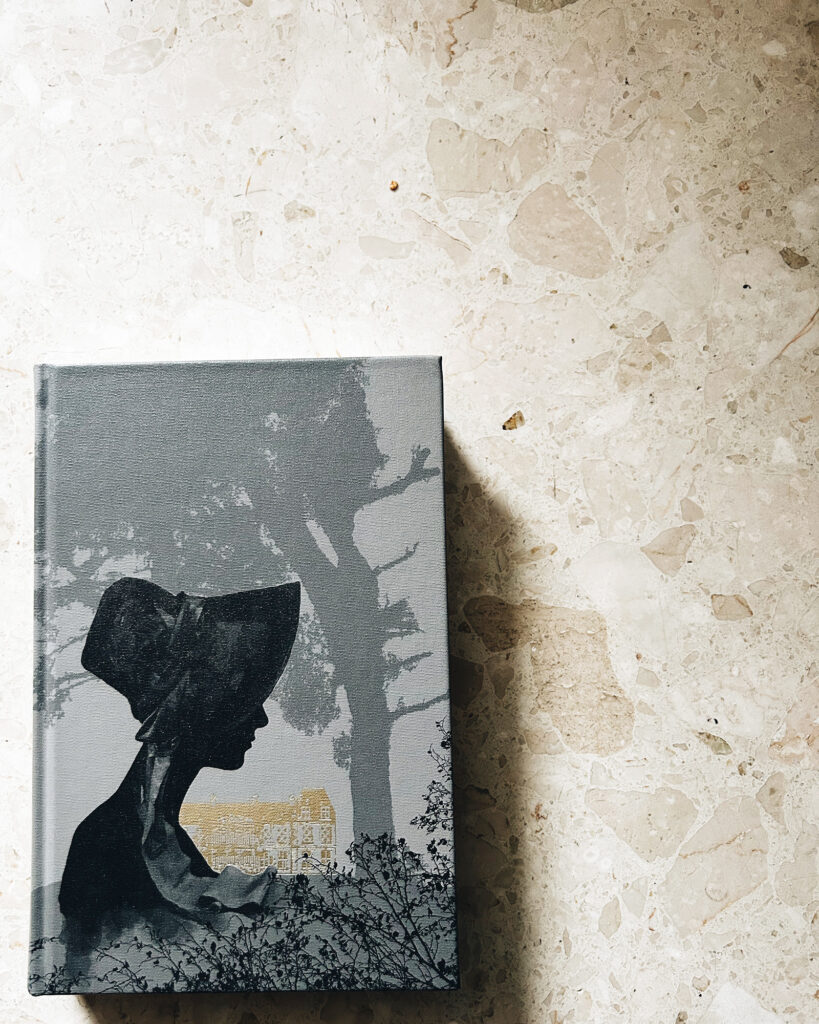
“I discovered there were essentially two camps of supporters: ‘Charlottes’ and ‘Emilys’.”
Bestselling author Tracy Chevalier made this discovery in 2016 while working as a creative partner with the Brontë Parsonage to celebrate the bicentenary Charlotte Brontë’s birth.
“I am a Charlotte,” she wrote: “serious and focused and rather traditional. Emilys are much stranger, more romantic and unpredictable.”
But then she had to ask: why was there no third camp? “Why, though, are there so few ‘Annes’?”
One reason might be that Anne’s The Tenant of Wildfell Hall only saw two published editions in the Brontë sisters’ lifetime — at Charlotte’s direction. And then a controversially abridged edition was finally released which remains in circulation even to this day. The abridgment, however, resulted in the loss of passages that are said to be critical to the strength and impact of the novel.
Little did I know when I set out to read my first Anne Brontë novel that I would encounter intrigue before reaching the first page. I would have to decide which edition to read. I settled on the 1848, which includes Anne’s Second Edition Preface.
I have always thought of myself as a “Charlotte.” But the continual emergence of the strange and unpredictable makes me wonder. I start page 1 tomorrow. Will I end up an “Emily”? Or perhaps even an “Anne”?
@artmiddlekauff
April 27, 2026
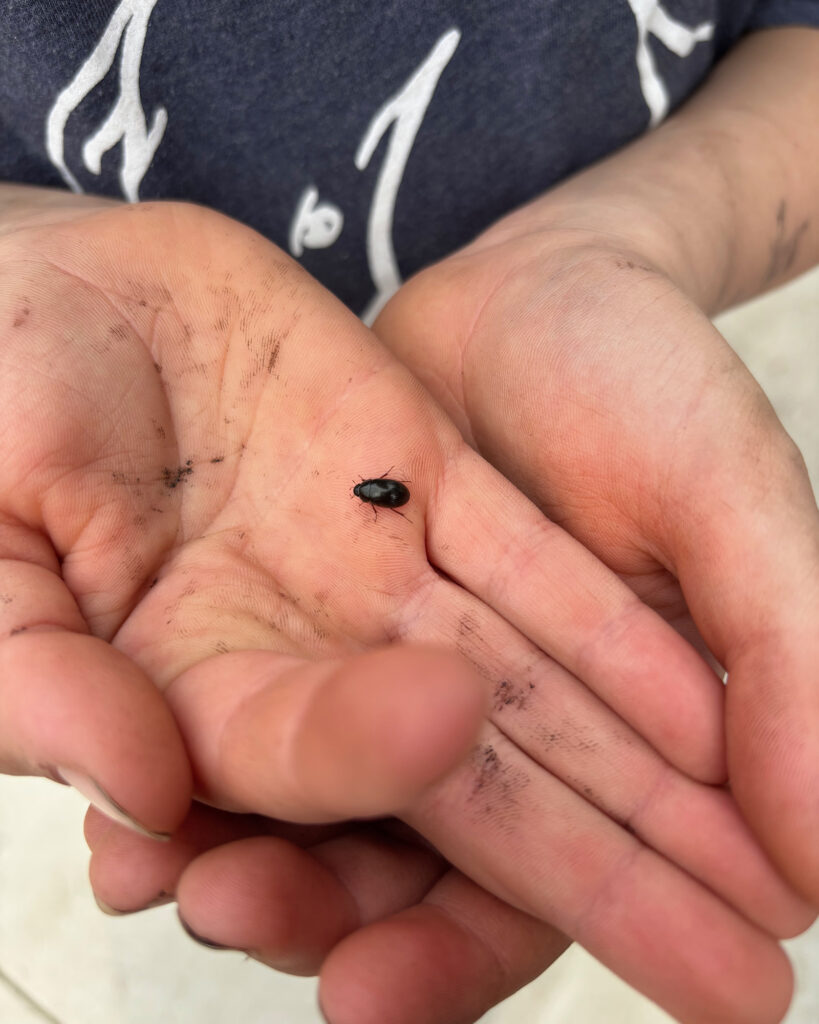
“With regard to the horror which some children show of beetle, spider, worm, that is usually a trick picked up from grown-up people. Kingsley’s children would run after their ‘daddy’ with a ‘delicious worm,’ a ‘lovely toad,’ a ‘sweet beetle’ carried tenderly in both hands. There are real antipathies not to be overcome, such as Kingsley’s own horror of a spider; but children who are accustomed to hold and admire caterpillars and beetles from their babyhood will not give way to affected horrors. The child who spends an hour in watching the ways of some new ‘grub’ he has come upon will be a man of mark yet. Let all he finds out about it be entered in his diary—by his mother, if writing be a labour to him,—where he finds it, what it is doing, or seems to him to be doing; its colour, shape, legs: some day he will come across the name of the creature, and will recognise the description of an old friend.” (Vol I, p 58)
@antonella.f.greco
April 18, 2026

“We need not add that authority is just and faithful in all matters of promise-keeping; it is also considerate, and that is why a good mother is the best home-ruler; she is in touch with the children, knows their unspoken schemes and half-formed desires, and where she cannot yield, she diverts; she does not crush with a sledge-hammer, an instrument of rule with which a child is somehow never very sympathetic.
“We all know how important this, of changing children’s thoughts, diverting, is in the formation of habit. Let us not despise the day of small things nor grow weary in well-doing; if we have trained our children from their earliest years to prompt mechanical obedience, well and good; we reap our reward. If we have not, we must be content to lead by slow degrees, by ever-watchful efforts, by authority never in abeyance and never aggressive, to ‘the joy of self-control,’ the delight of proud chivalric obedience which will hail a command as an opportunity for service. It is a happy thing that the ‘difficult’ children who are the readiest to resist a direct command are often the quickest to respond to the stimulus of an idea. …“I am not proposing a one-sided arrangement, all the authority on the one part and all the docility on the other; for never was there a child who did not wield authority, if only over dolls or tin soldiers. …“Authority is that aspect of love which parents present to their children; parents know it is love, because to them it means continual self-denial, self-repression, self-sacrifice: children recognise it as love, because to them it means quiet rest and gaiety of heart. Perhaps the best aid to the maintenance of authority in the home is for those in authority to ask themselves daily that question which was presumptuously put to our Lord—‘Who gave Thee this authority?’” (Charlotte Mason, School Education, p. 23–24)
@tessakeath
April 19, 2026
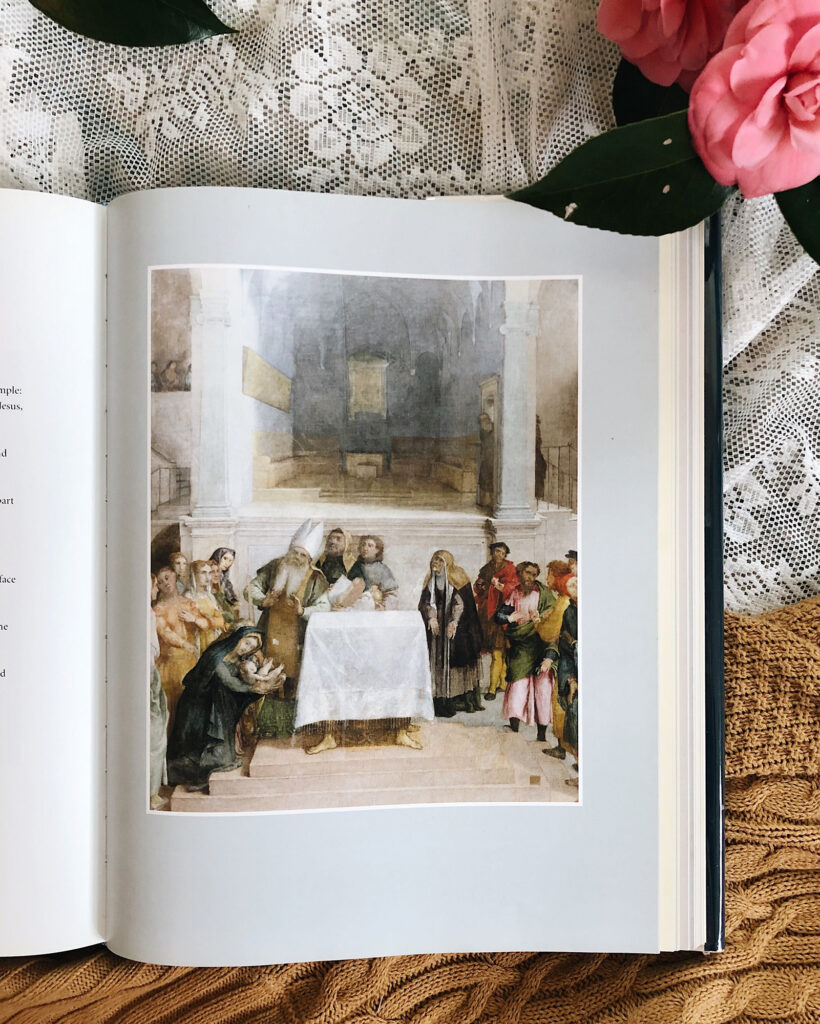
How many “poor country folk” came to the temple every single day? The insignificant ones, the overlooked ones, the ones who had only turtle doves or pigeons to offer to their Lord. Nothing to see here.
But one man had eyes to see. He had a promise he knew his God would keep.
So sure was he of this, he watched alway:
No common, usual group might, unaware,
Pass this man, lest so he should miss the Child:
Perceiving he was ready, the Spirit led
Him straight to the temple; and when the parents came,
The simple peasant folk, behold, he knew—
Such is the gift God granteth to His own,
Through signs of everyday they Him discern
The Spirit led in those days and the Spirit leads today. To reveal the extraordinary beneath the veil of the ordinary, the King beneath the veil of the Child. Read Charlotte Mason’s poem here.
@artmiddlekauff