The CMP Review — Week of August 10
August 10, 2026
“When our Lord spoke of giving us life more abundantly, what did He mean? That is what we have to ask ourselves again and again. I believe life should be looked upon as one long opportunity, opportunity to enjoy, to learn, to serve; opportunity not to be seized upon feverishly in case it is beyond us or escapes us, but to be taken quietly, joyously, fearlessly. I believe that the whole structure of the Parents’ Union School education helps towards that abundant life.” (“Education in the Parents’ Union School” by Mrs. Shelley, PR47)@tessakeath
August 11, 2026
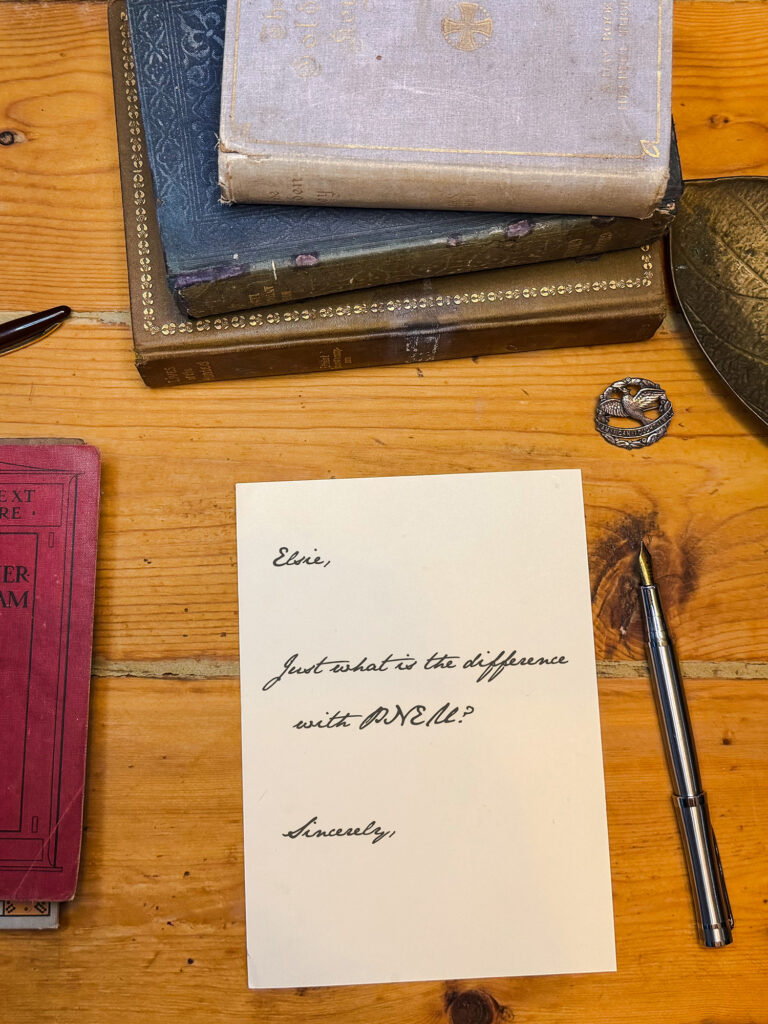
“Oh, well, I’ve always done that in my school.”
“Narration, or reproduction as we call it, is as old as the hills.”
“Yes, we’ve always used books and my children have done silent study for a long time, indeed I find I have always been working on the P.N.E.U. methods,” —
— “if I haven’t, what is the difference?”
When talking to family, friends, and neighbors, have you ever heard remarks like this? People who say they’ve been “doing Charlotte Mason” all along, even if they never called it that?
Elsie Kitching certainly heard remarks like this. Finally, in 1921, she decided to answer the question: “What is the difference?”
Is the Charlotte Mason method what everyone has been doing all along? Or is Elsie Kitching on to something? Find out for yourself and read or hear her assertion that there is indeed a difference. Find it here.
@artmiddlekauff
August 12, 2026
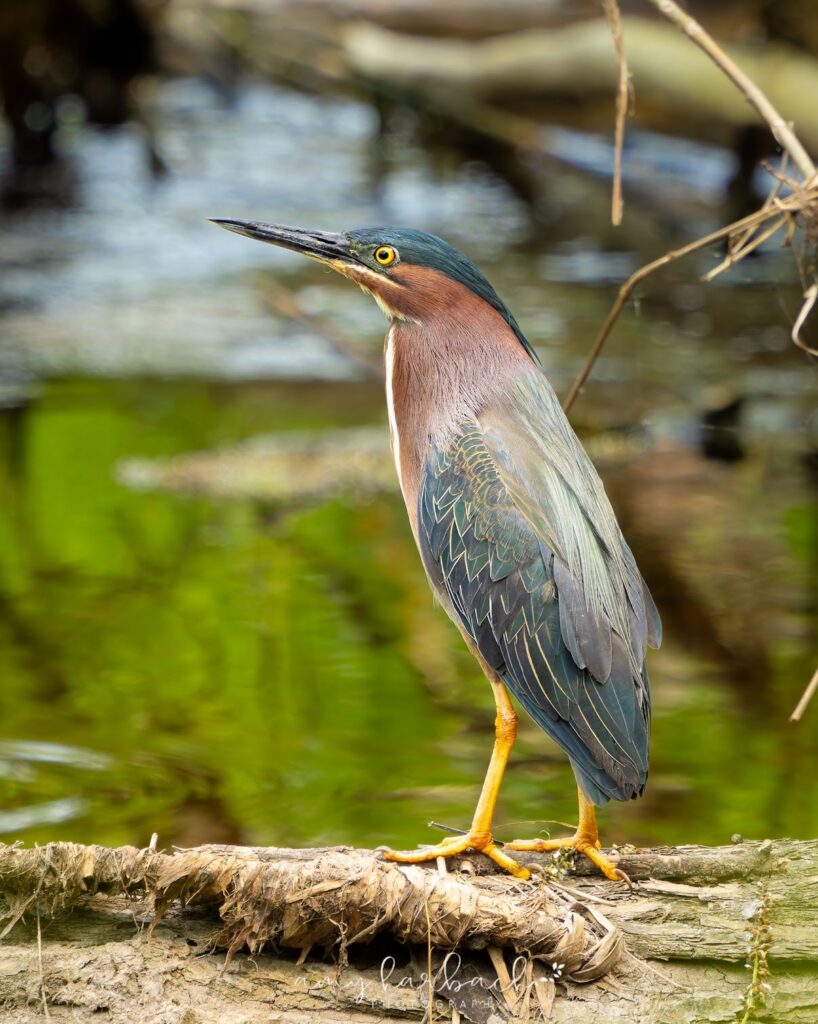
Have you ever tried bird stalking?
Charlotte Mason called it a “gentle art.”
Children are instructed to be quiet as mice, moving softly and slowly, creeping on hands and knees if need be, until an unknown song was tracked to its source. Once the songster is found, they’re to remain as still and silent as possible, watching the bird and learning its habits. Binoculars may be used.
I was curious whether this old-fashioned practice might still have a place in modern birding, so I asked Amy Harbach—a Charlotte Mason mama, certified naturalist, and bird photographer @lakedistrictlovelies—if she uses “bird stalking” to photograph our feathered friends.
“Absolutely,” she said.
She told me that the people in the birding community who are good stalkers—quiet and respectful of the birds—often see more than those who are loud. “The birds are more at ease with peace-filled people.” And if you are slow and quiet, she says, and willing to wait, “the birds become curious about you and will come closer.”
Perhaps that is one of the gifts of nature study: the more gently we enter the natural world, the more it reveals itself to us.
@rbaburina
Image credit: @lakedistrictlovelies
August 13, 2026
As I return to the opening pages of Home Education this month, I am struck by how often Miss Mason talks about exposure to nature as an investment for the future. “It would be difficult to overrate this habit of seeing and storing as a means of after-solace and refreshment,” she writes.
She stresses that this investment should begin early: “a love of Nature, implanted so early that it will seem to them hereafter to have been born in them, will enrich their lives with pure interests, absorbing pursuits, health, and good humour.”
A happy surprise for me is that these benefits are not reserved for those who were brought up on nature study. They can be felt even by those who begin nature study as part of the education of their own children.
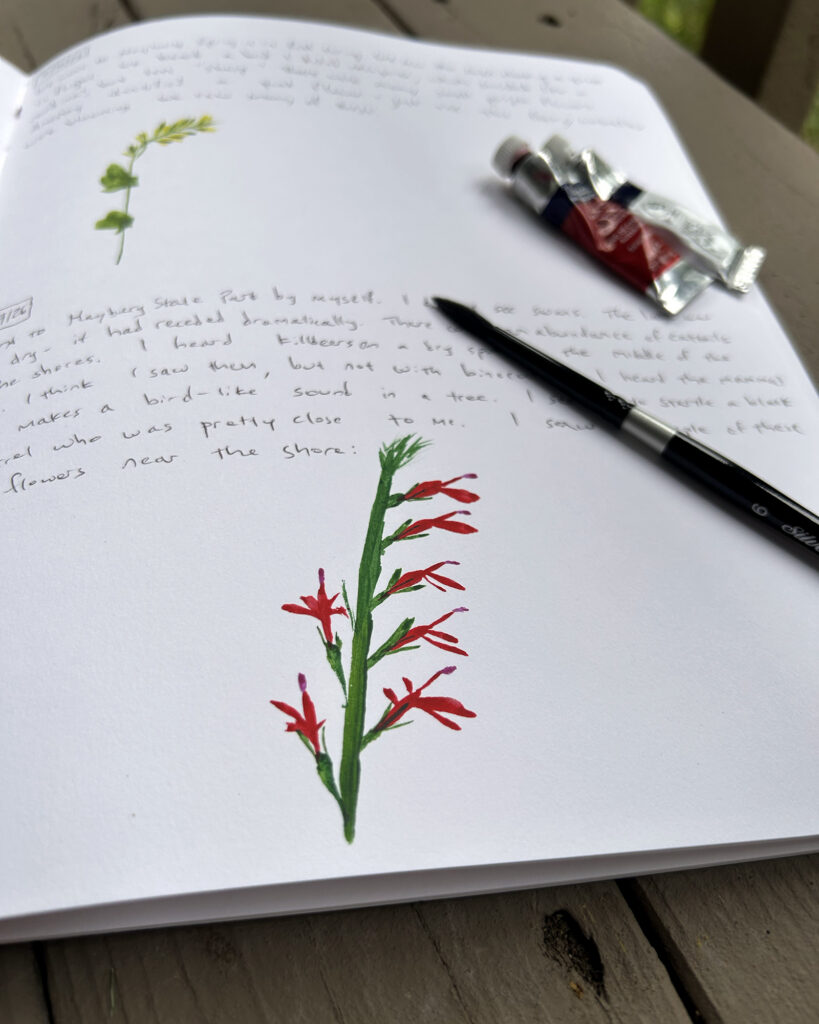
My first solo nature walk after the formal graduation of all of my children was a moment of interest. It felt no different. No homeschool programme compelled me to go out. Just an absorbing pursuit, a pure interest, that I can hardly remember not having.
Our children grow up, and those magical years of school at home never come back, at least not in quite the same way. But the flowers remain. They are new every morning, waiting to be discovered, admired, and drawn.
@artmiddlekauff
August 14, 2026
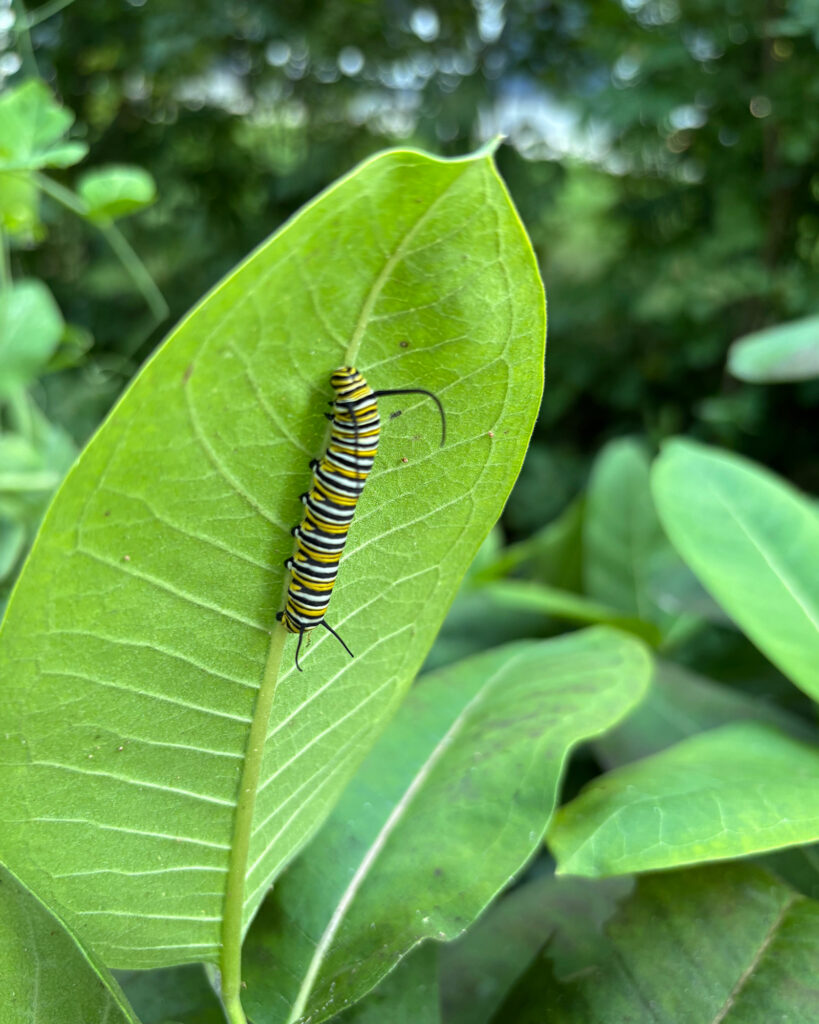
For the first time ever, we have a few monarch caterpillars in our yard. 🐛
My neighbour and I have a little shared copse of trees between our properties and we each have a bunch of milkweed plants sprinkled throughout. This week, we found at least half a dozen caterpillars on her milkweed plants. And then we found two my side!
We’re very excited to have these caterpillars close by so that we can check on their progress often.
Hopefully they make it through to the butterfly stage! 🤞
Are you watching any critters these days?
@antonella.f.greco
August 15, 2026
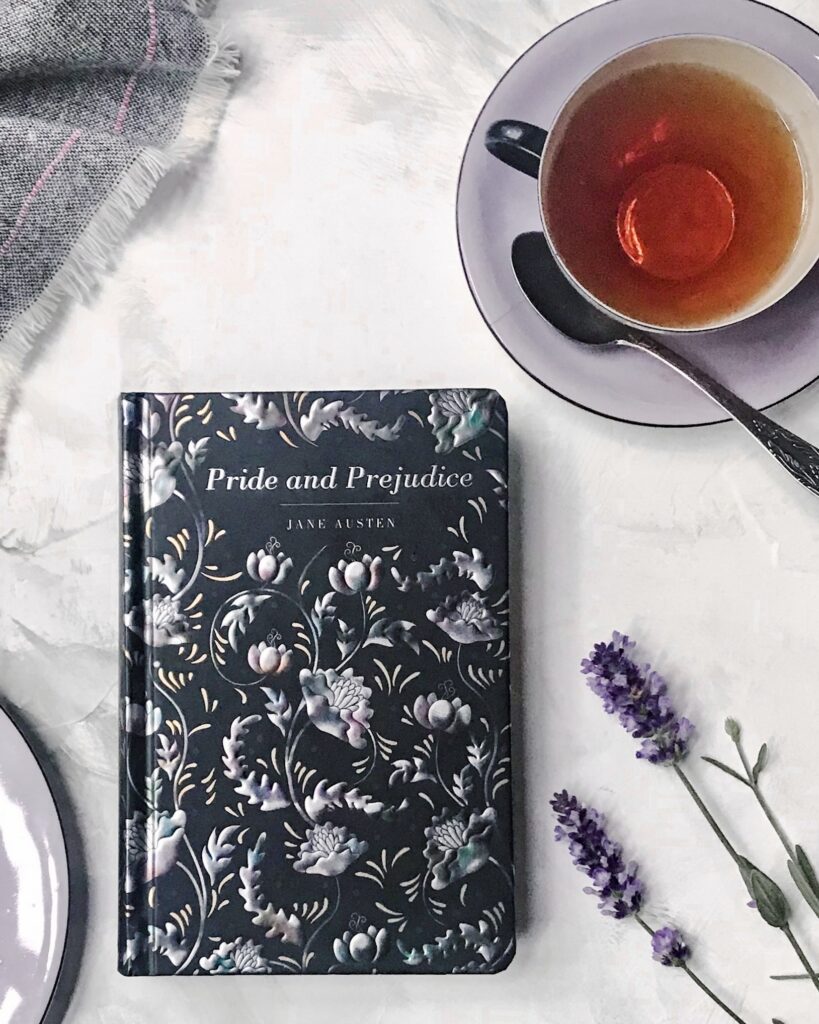
August marked a time of beginnings and endings for Jane Austen.
It was in August 1797 that she began Pride and Prejudice. Eighteen years later, she would begin Persuasion—finishing it the following August, in 1816.
At Charlotte Mason Poetry, we have a number of ways to spend a little time with Austen. There’s “Jane Austen” by Charlotte Mason herself, along with a Jane Austen “Scale How Evening,” written by House of Education student Dorothy Brownell. We also have “A Jane Austen Evening,” written by HoE graduate Daphne Chaplin and originally performed by students and staff at the 1912 PNEU Conference.
These are available to read on the CMP website, but they’re especially fun to hear on the podcast, where readers bring these evenings to life. The 1912 presentation, in particular, is a delight with so many voices taking part.
Perhaps August is a fitting month to begin—or return to—Jane Austen.
@rbaburina
August 16, 2026
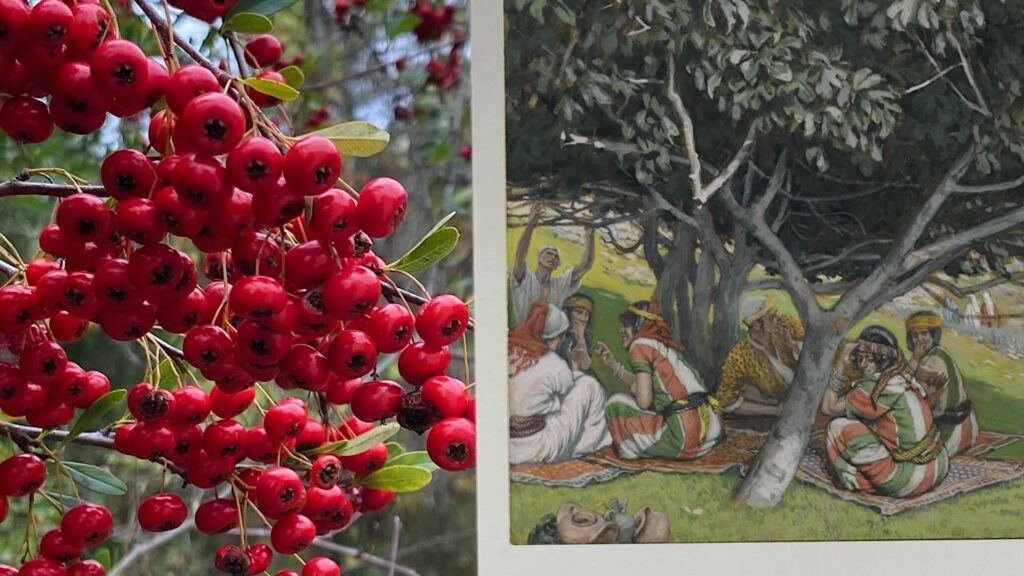
“Can any good thing come out of Nazareth?”
That question from Nathanael has served as the template for countless skeptics ever since. It reflects the contempt that is bred of familiarity. Jesus Himself warned of this phenomenon when He said, “A prophet is not without honor, except in his hometown and among his relatives and in his own household.” Perhaps everyone who has grown up in a town or a country where Jesus is routinely named has been touched by the danger of this familiarity.
I remember like it was yesterday a weekday afternoon when I was 16 years old. Sitting in my bedroom I realized at that moment that God was real. I was ready to believe in some new, exotic faith. “Show me, God, who you are.” The answer came to me: “Jesus.”
I responded with my own version of Nathanael’s query: “Can any good thing come out of Nazareth?”
“Come and see,” said Philip. It is the response that has come to countless seekers since. It is the response that came to me. I came, I saw, and I never looked back.
Rediscover the moment of conversion and faith in Charlotte Mason’s timeless poem. Find it here.
@artmiddlekauff
🖼️: Nathaniel Under the Fig Tree by James Tissot