The CMP Review — Week of August 24
August 24, 2026
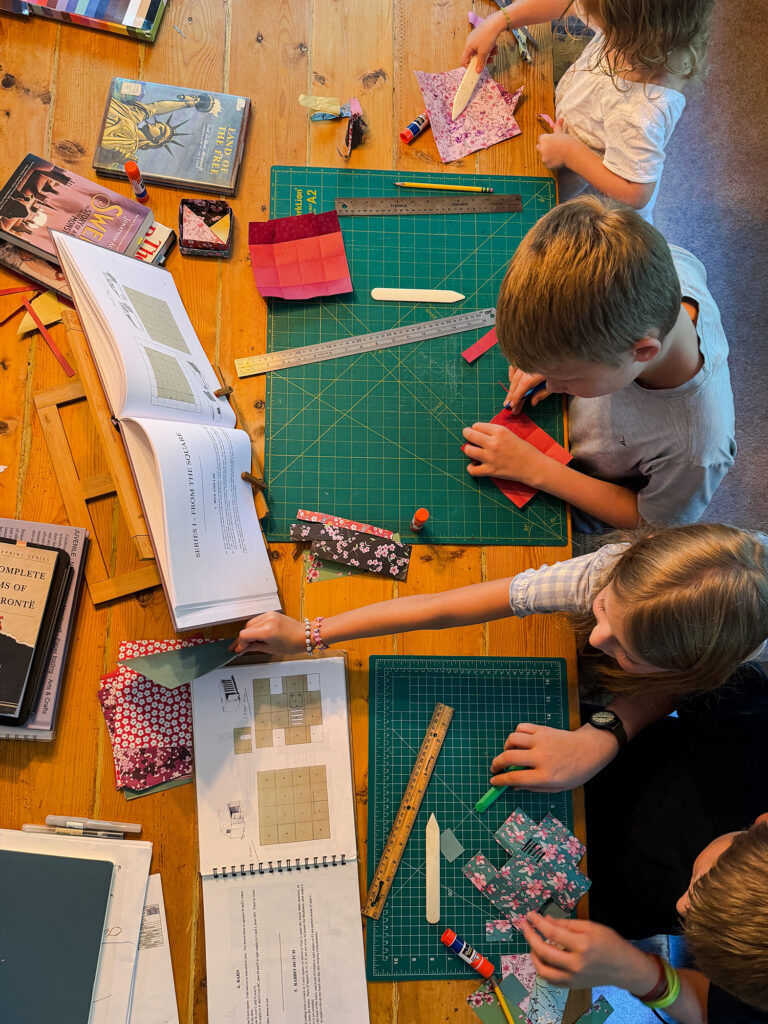
“…We have recommenced our night school and have a few fresh pupils. I have as usual been making wonderful resolutions as to what I shall do when we begin school again. I mean to be so firm, so kind, so loving, so altogether admirable; I really feel half inclined to fall down at the feet of what I mean to be and say to it: ‘Stand there and be my admiration and my praise.’ Alas, I may do so, but what I mean to be is the only part of myself that I shall ever be able to admire.” —Charlotte Mason (The Story of Charlotte Mason, p. 7)
@tessakeath
August 25, 2026
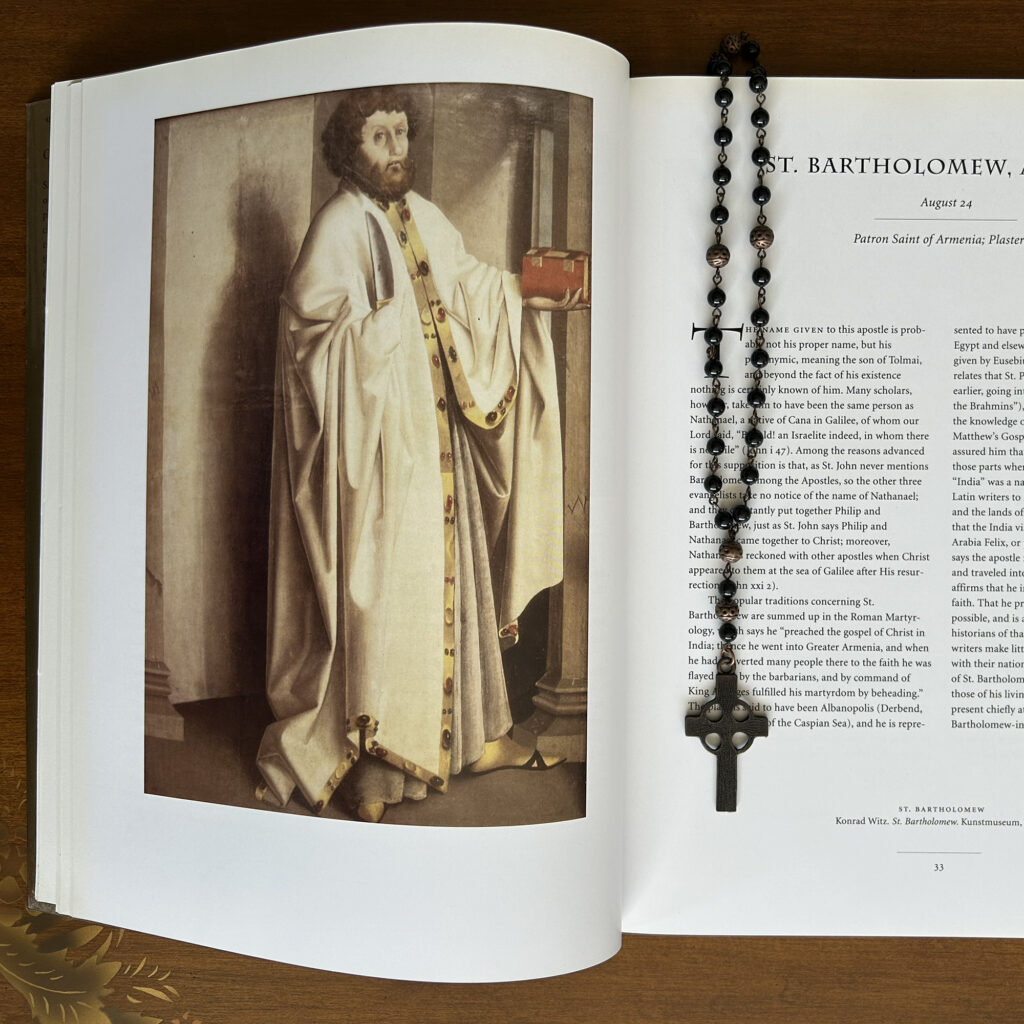
If you follow the calendar for The Cloud of Witness or The Golden key you may have noticed that there was an extra reading yesterday: page 483 in the former, page 464 in the latter. Both extra readings focused on St. Bartholomew. Churches in the Western tradition remember him on August 24.
The topic for The Cloud of Witness was “The Revelation of Miracle.” By contrast, The Golden Key focused on “Service.” The Golden Key follows the consensus that Bartholomew is another name for Nathanael, and quotes John 1:47: “Jesus saw Nathanael coming to Him, and saith of him, Behold an Israelite indeed, in whom is no guile!”
In 1924, Bartholomew’s Day fell on a Sunday. Rev. Francis Lewis was to preach that day, perhaps at St. Mary’s in Ambleside. Although his inspiration was Bartholomew (Nathanael), he did not focus on miracle or service. Instead he focused on John 1:47: “an Israelite indeed, in whom is no guile!”
A few months later, Lewis’s sermon was printed in The Parents’ Review. “Nathanael was one of the first to believe in Jesus Christ,” writes Lewis. “The story of his being brought to Him is one of the most interesting stories in the Bible and well illustrates our Lord’s methods of dealing with those who came in contact with Him.”
Was Elsie Kitching in attendance when the sermon was first preached? We don’t know. But as the new editor of The Parents’ Review, she followed the precedent of her mentor Charlotte Mason who periodically featured sermons by her friend. “The lives of the saints are intended to confirm our faith,” wrote Lewis. Read or hear his sermon today to receive this blessing. Find it here.
@artmiddlekauff
August 26, 2026
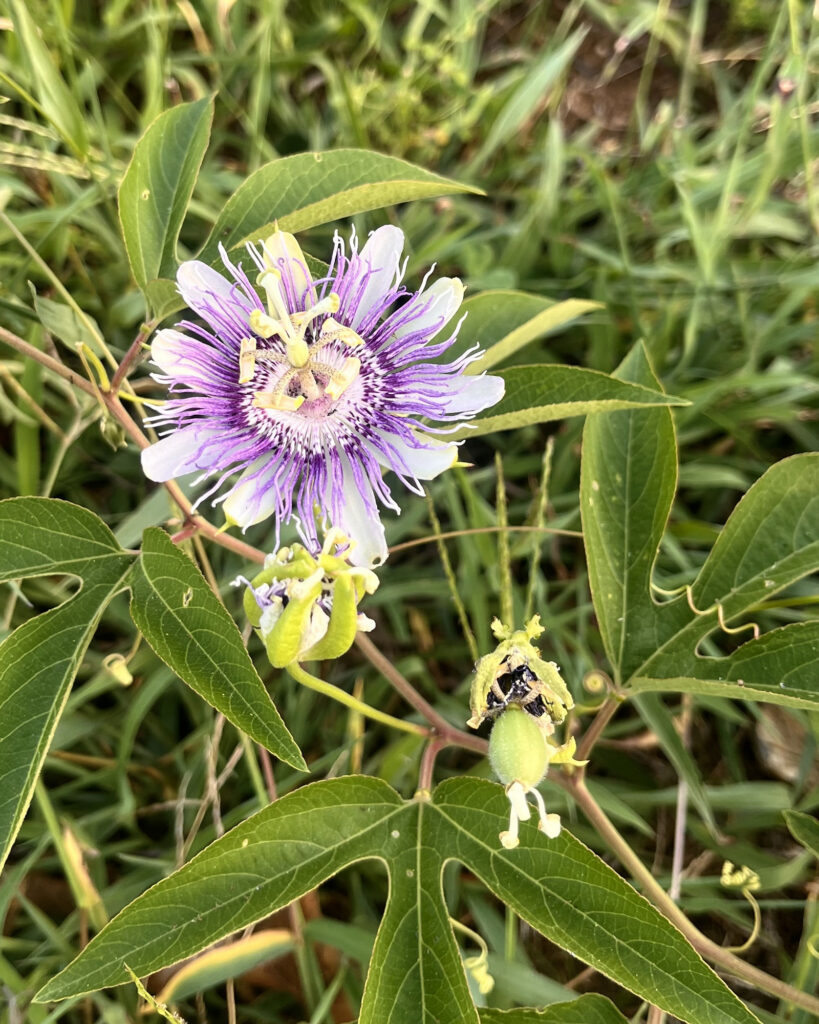
This exotic-looking bloom, known as the passion flower, is actually the state wildflower of Tennessee.
There are many species of passion flower, but the one that grows wild here is Passiflora incarnata. It blooms from June through September, with each flower opening and closing within a day. It’s also long been valued medicinally for its calming properties and is used as a tea to promote sleep and tranquility.
The plant produces an edible green-yellow fruit, too, though the more familiar purple-skinned passion fruit comes from tropical varieties of the plant.
One of the most fascinating things about this native flower? Tennessee schoolchildren were given the vote and chose it as the state wildflower in 1919!
@rbaburina
August 27, 2026

There’s a new Charlotte Mason conference this year!
Join me on Saturday, November 7 at the Hedgerow, a one-day gathering for Christian families and educators to come together around the ideas that shape our homes and schools.
The Hedgerow will be held in Hudson, WI, which is just 30 minutes from Minneapolis-Saint Paul. I will be sharing my new plenary entitled “An Abundant and Delicate Feast,” a phrase taken from Charlotte Mason’s sixth volume, p. 183. I will also be sharing my unrecorded talk “Free To Obey,” and a breakout session on Bible lessons. Other experienced speakers will be presenting as well.
Come discuss and learn about the ”full and generous curriculum” that Charlotte Mason proposed. Reply with a comment if you’re thinking about participating. Registration is live here.
@artmiddlekauff
August 28, 2026
Watercolor the Blood Moon
Here’s a simple technique to capture the blushing moon of a lunar eclipse in your nature journal.
For best results:
Use 140 lb. (300 gsm) watercolor paper with at least 25% cotton to keep the paper from buckling.
Certain pigments provide a distinct granular texture or move, separate, and settle more.
- Earth colors: Raw Sienna, Burnt Sienna, Burnt Umber, and transparent iron oxides like red, and brown oxide
- Blues and Violets: French Ultramarine, Cobalt Blue, Cerulean Blue, Prussian Blue, and Manganese Violet
- Blacks and Grays: Ivory Black and Payne’s Gray
- Other minerals: Potter’s Pink
Textured paper, such as cold press or rough, have dips and bumps to help catch the pigment particles.
Comment if you give it a try!
@rbaburina
August 29, 2026
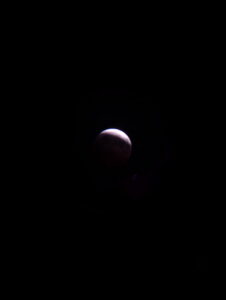
The moon has held my son’s attention since he was a toddler, when he tried to catch it in his outstretched hands.
Thursday night, he caught it another way—the Blood Moon, glowing in the shadow of the Earth.
@rbaburina
August 30, 2026
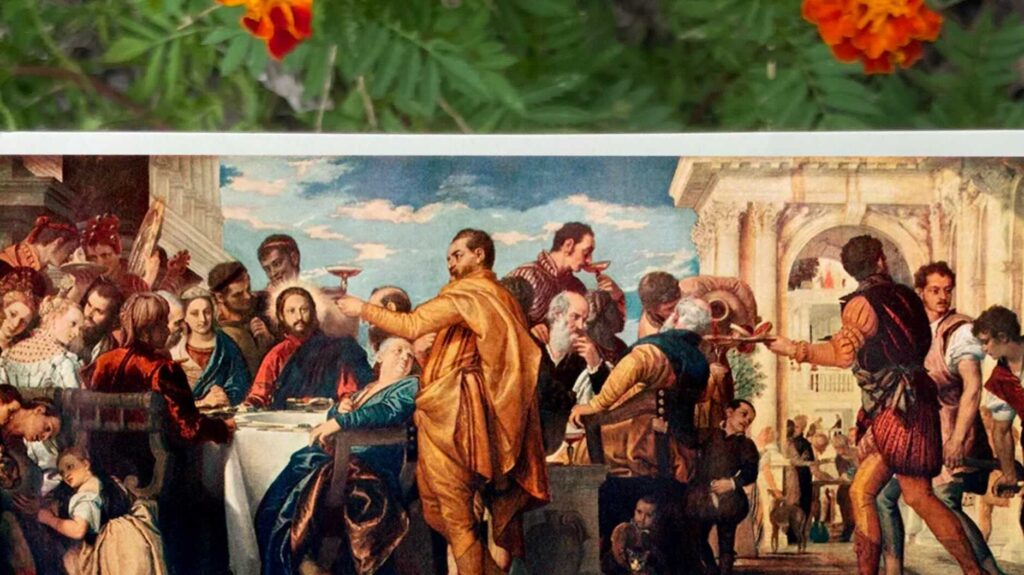
One fascinating aspect of exploring Charlotte Mason’s poetry is to discover the influence of art on her thought. Of course we know from Home Education that Mason recommended that art be a part of Scripture study. “The study of such pictures as are here reproduced,” she wrote on page 252, “should be a valuable part of a child’s education; it is no slight thing to realise how the Nativity and the visit of the Wise Men filled the imagination of the early Masters, and with what exceeding reverence and delight they dwelt upon every detail of the sacred story.”
When I first wrote for Common Place Quarterly, I took on the difficult (for me) task of tracing the influence of one particular painting on Mason’s reverence and devotion. In the end, the investigation took me through the heart of Mason’s method and left me touched forever. Included in the “Inspire” issue, the article was entitled “On a Picture.”
One need not look far into Mason’s writings, however, to discover other paintings that impacted Mason’s thought. The poetry volumes of The Saviour of the World are filled with such works. It is hard to describe the effect when painting and poem are brought together. “As we ‘inwardly digest,’ reverence comes to us unawares, gentleness, a wistful tenderness towards the past, a sense of continuance, and of a part to play that shall not be loud and discordant, but of a piece with the whole.”
Today we share another poem whose message is intertwined with a picture. It is a poem that points us to eternal questions, questions that touch the core of life. Read or hear it as you gaze on the picture here.
@artmiddlekauff