The CMP Review — Week of August 3
August 3, 2026
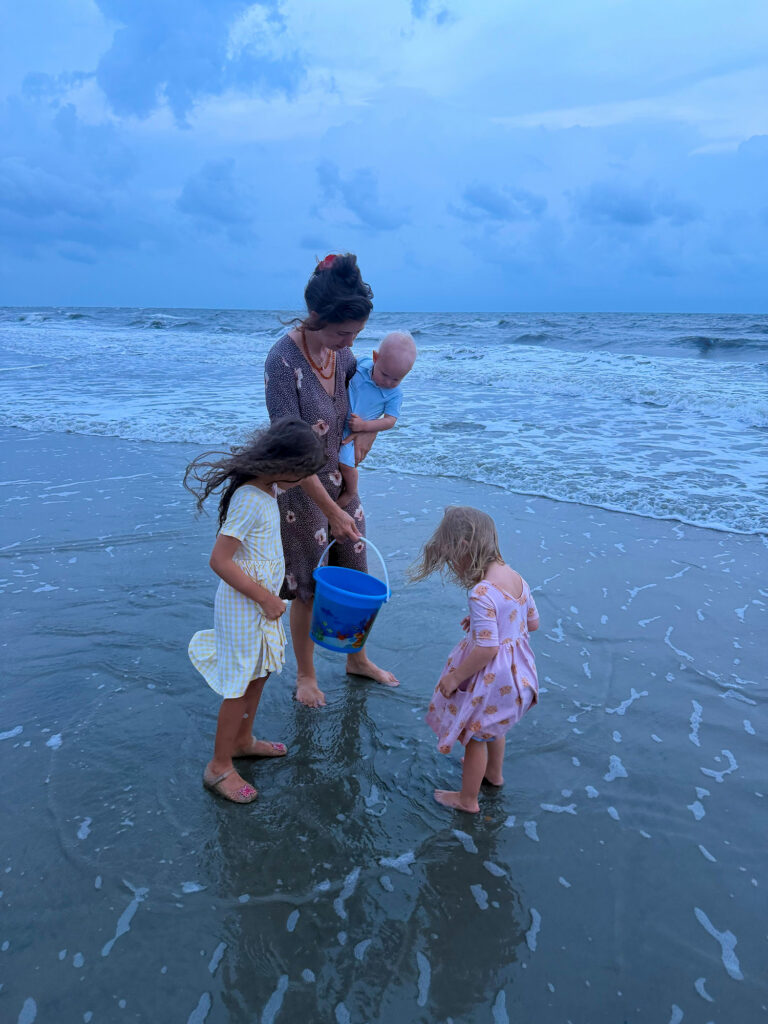
“Self-possession, calm and gentleness are needed by the mother even more when travelling than at home, so that she may make the journey a pleasure to all concerned, and a happy memory for later life.” (“Hints to Mothers…”, James, PR60)@tessakeath
August 4, 2026
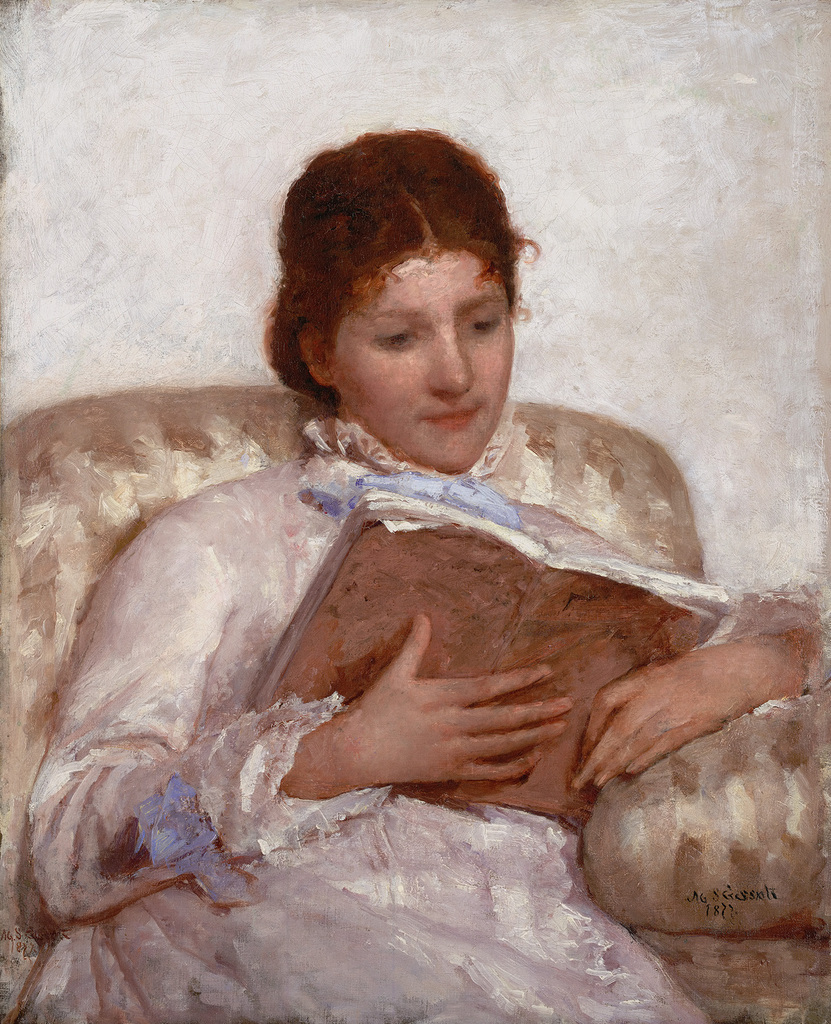
When I sat in my chair listening intently to the words of Sheila Carroll, I realized that history was being made. The keynote speaker at the very first Living Education Retreat had now come back to speak at the twentieth. And what she said would ring through twenty more.
Sheila Carroll told us that God woke her up in the middle of the night and said, “You’re not done!” He told her that her work was not yet finished. Listening to her that Friday morning I understood why.
Sheila’s historic message opens with the questions we are all asking. But through the power of story and remembrance she brings us to a place where we ask new questions altogether.
Thanks be to God her message was recorded. I am so pleased we can share it today. Come listen, wonder, and ask the new questions that will change your homeschool and your life. Find it here.
@artmiddlekauff
August 5, 2026
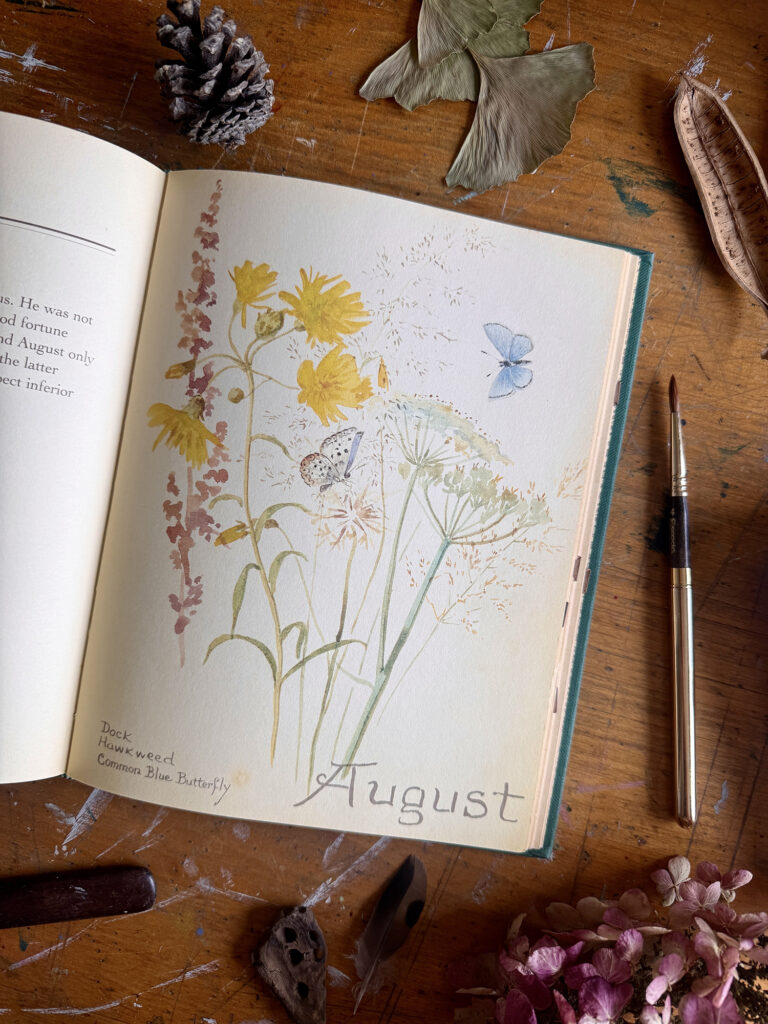
“August burning low.” — Emily Dickinson
It’s one of my favorite lines for this time of year. Summer hasn’t ended, but it has begun to subtly shift.
On our morning walk, I noted a few leaves touched with color and the goldenrod beginning to brighten. My friend exclaimed that we need to remember bags tomorrow to look for ripened pawpaw.
Keeping a nature journal helps teach us to notice what is easy to overlook. Page by page, the story of the year unfolds in these small faithful changes.
August is burning low. What are you noticing?
@rbaburina
August 6, 2026
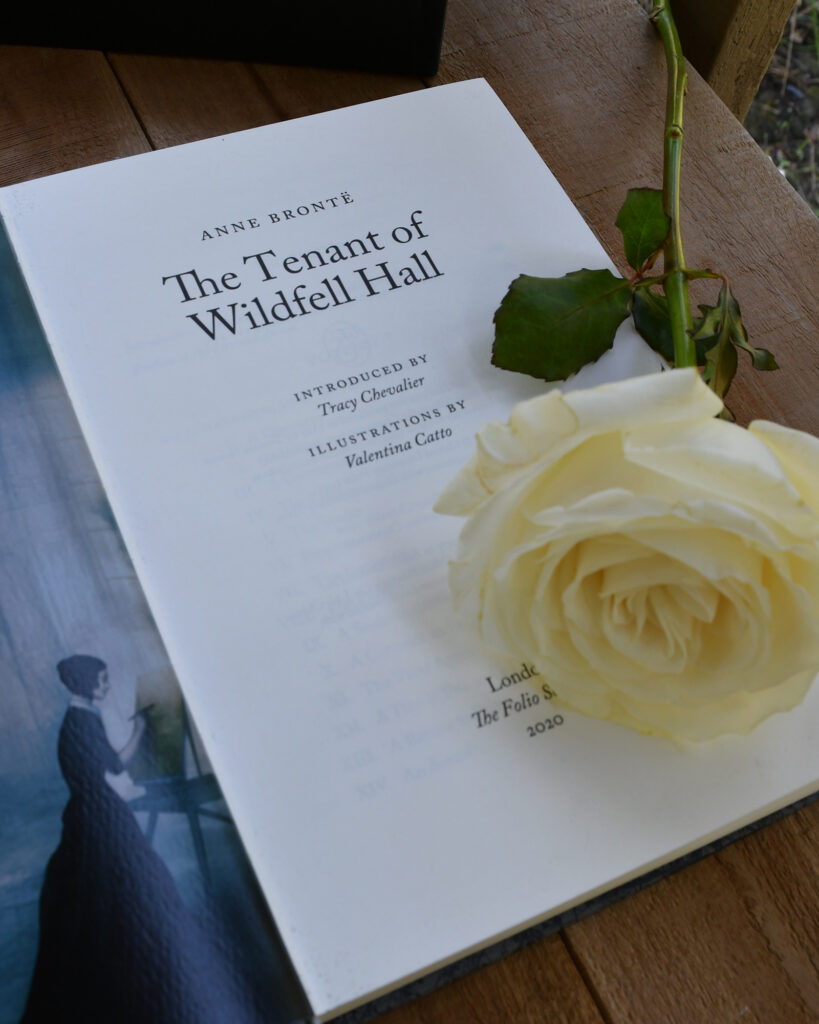
I finished it.
This novel, by “Anne, sensitive and talented, a Brontë without genius,” or so says Margaret Lane.
I don’t know what I was expecting. But it certainly wasn’t what I found.
I could go on and on about the technical merits of the book. The captivating writing. The uncanny weaving of its two third-person limited perspectives. The immersive experience. The breath-taking passages.
But all of that would detract from the real merit of the book, which is its heart-gripping message. If you haven’t read it, read it. Read the original. Don’t read about it. Eschew the spoilers. The less you know about it the better.
A Brontë without genius?
Charlotte Mason cites M. Maeterlinck as saying of the more famous sister, “in Emily Bronté we have an example of the immeasurable range of the soul… that a delicate girl, brought up almost in isolation in a remote parsonage, should be able to sound the depths of human passion, conceive of human tragedy, and gather the fruits of human wisdom.”
But that is exactly what I found in The Tenant of Wildfell Hall. Proof of the immeasurable range of the soul. Take your genius. I’ll read Anne Brontë.
@artmiddlekauff
August 7, 2026
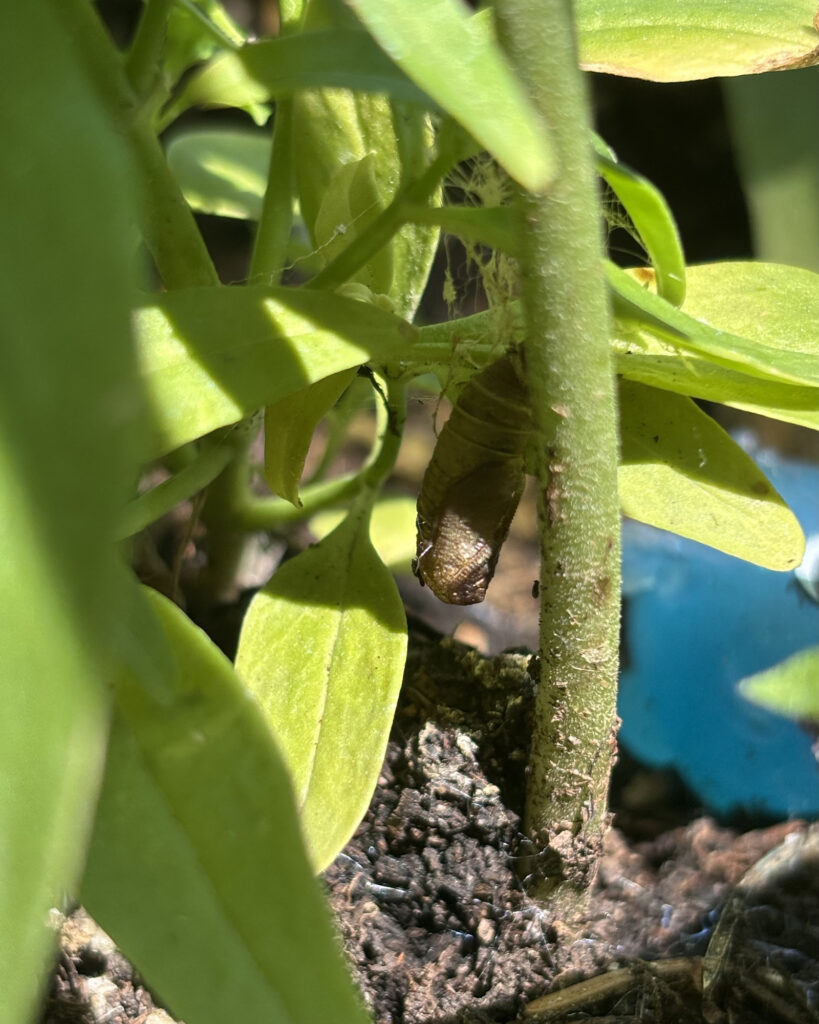
It’s always so exciting to watch a caterpillar!
Does anyone know what this will become?
@antonella.f.greco
August 8, 2026

“Curiosity should be the basis of a liberal education: it is self-guiding towards the acquisition of knowledge, and I hope a day may come when the questions of children shall in many cases form the main substance of a lesson. “From curious children have sprung inventors, discoverers, travellers, scientists, philanthropists, and above all, among the average people, those who take a real interest in life, and in all it brings, who are consequently happy and mentally content. One may lose many things, but it is our own fault if we lose this divine curiosity which makes life so rich and so worth living.” (“The Instinct of Curiosity”, Smith, PR24)@tessakeath
August 9, 2026
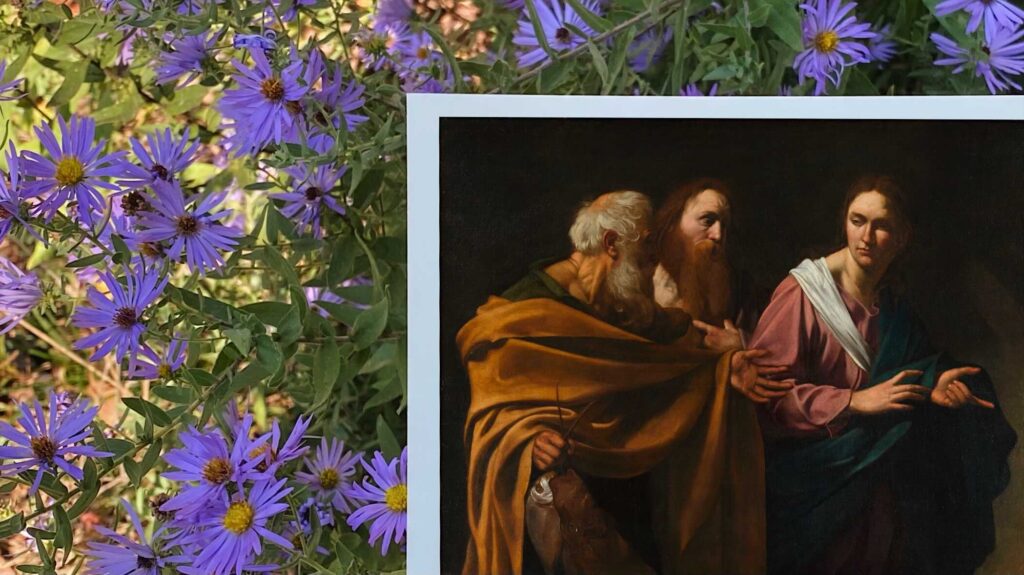
Of the four Gospels, only John’s book records what Samuel Ngewa describes as our Lord’s “informal contact” with his future disciples, a contact which took place “before he issued the formal call recorded in Matthew 4:18–22 and Mark 1:14–20.”
John’s sacred account reveals the profound moment when Peter first met Christ. Ngewa describes it this way: “Jesus looked at Andrew’s brother and said, ‘You are Simon son of John. You will be called Cephas…’ Cephas is an Aramaic name, translated into Greek as Peter, meaning ‘a rock’. Like most African names, this was a name with a meaning. Jesus saw in Simon what he would become: someone who would be as firm as a rock in continuing the work of the kingdom once Jesus had departed.”
Charlotte Mason too reflected on this moment. In her poem entitled “Andrew brings Simon,” she notes that the same Jesus who saw what Simon would become also sees deeply into each one of us. Mason writes that Cephas was the “new name given by Him who knows to name Us all.” Read or listen to Mason’s poem about what happens when a name is given by the Savior of the World. Find it here.
@artmiddlekauff
🖼️: The Calling of Saints Peter and Andrew by Caravaggio