The CMP Review — Week of February 2
February 2, 2026
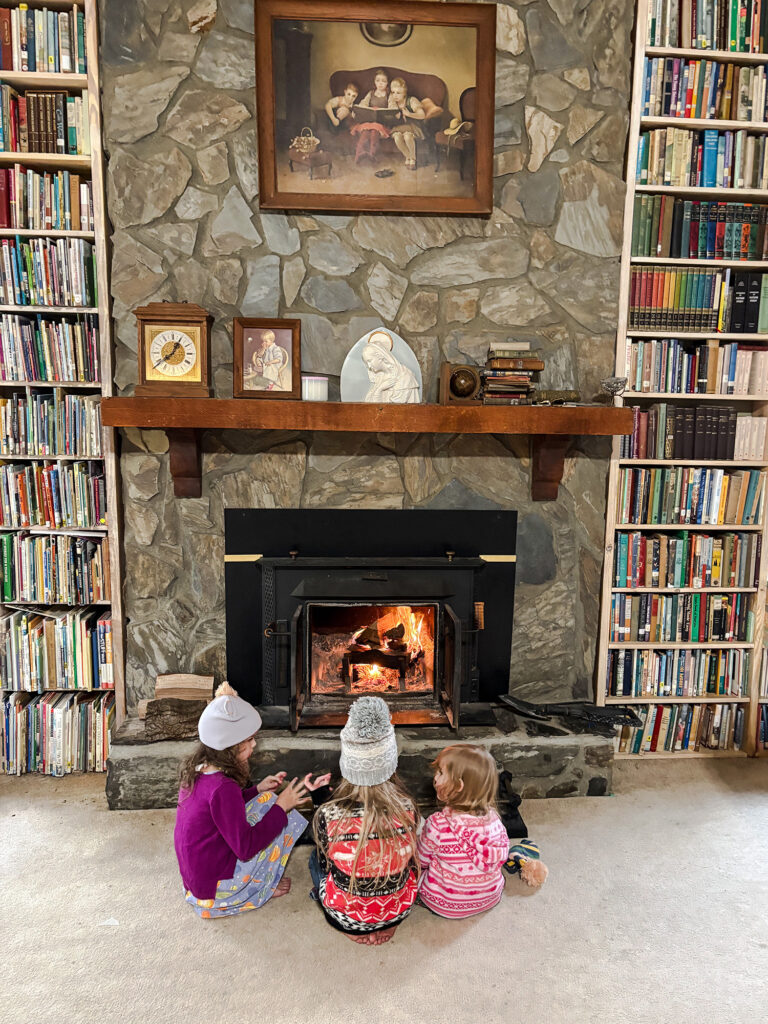
“Now, reading aloud always was, is, and always should be, very important. The great works of the world were written to be read or given aloud. The Iliad and the Odyssey we should not possess to-day had men not learnt and repeated the fifty thousand lines. Herodotus, Livy, Virgil, if we may credit respectable tradition, read their works to large or critical audiences. The Law, the Prophets, the Psalms, the Gospels, the Epistles, were dedicated to the human voice. The Romances of the Middle Ages were read, not studied. All the dramatists of the world, from Æschylus to Shakespeare, and from Shakespeare to Pinero, have appealed to the interpretative power of the voice. And there never was a time, perhaps, when a clear, good, sweet, persuasive, incisive, intelligent voice was of such importance as it is to-day.” (Arthur Burrell, Clear Speaking and Good Reading, p. 3)
@tessakeath
February 3, 2026
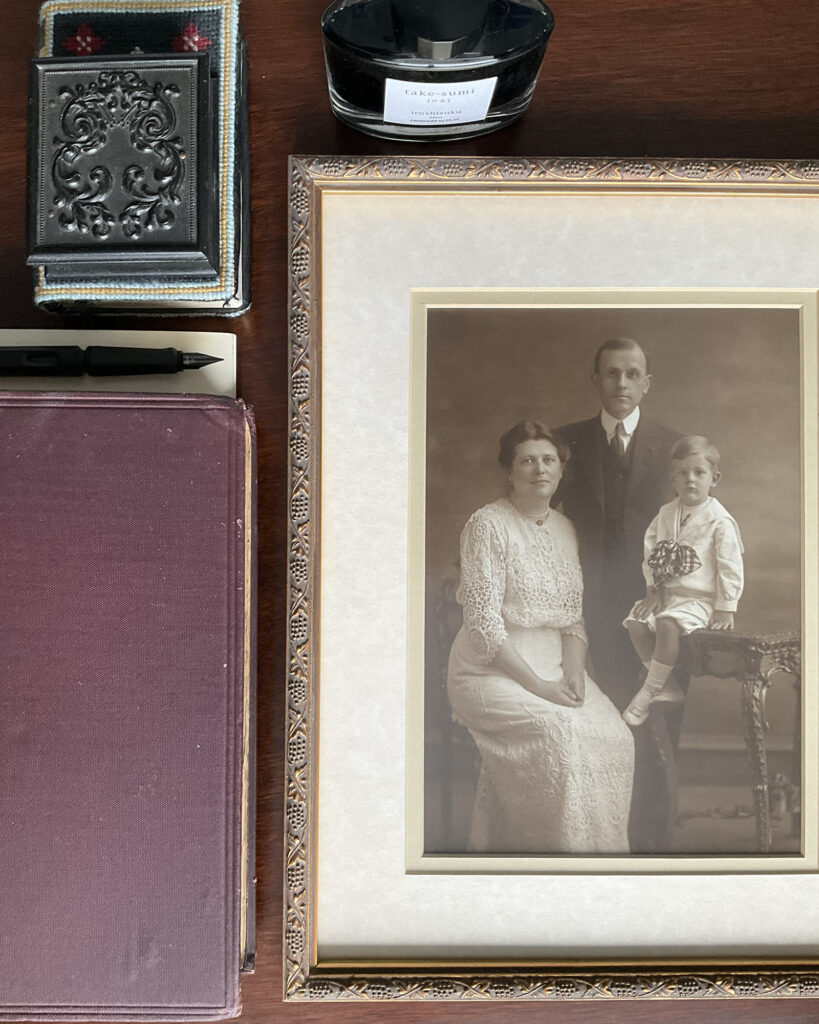
From time to time I tell people that I will probably have a good handle on parenting by the time my youngest child has finally grown up. What I of course mean by that is so much of parenting is learned by experience. Or more specifically, so much of parenting is learned from our mistakes.
Sometimes I wish I could pass my experiences on to others so they could avoid the mistakes I’ve made. I’m not the only one who has wanted to do so. One notable example is Mrs. H. C. Cradock, author of books on child-rearing as well as books for children to read.
But Mrs. Cradock identified the problem: “To give advice, unasked, to a young mother, is a hazardous undertaking.”
And she identified the solution: to write an article, so the young mother “knows that [the advice] is not meant specially for her.” So she can receive it without getting defensive.
“I am old enough now to look back and see what mistakes I have made,” wrote Mrs. Cradock, “and yet young enough to remember vividly my own youth, and humbly to hope that I am still able to keep in touch with young lives to-day.” And so she gave her advice unasked.
The year was 1918 and the article impressed Charlotte Mason enough to include it in the Parents’ Review. So let’s let down our defenses and hear what Mrs. Cradock has to say as she answers the question, “If I Could Begin Again…”
Read or hear it here.
@artmiddlekauff
February 4, 2026
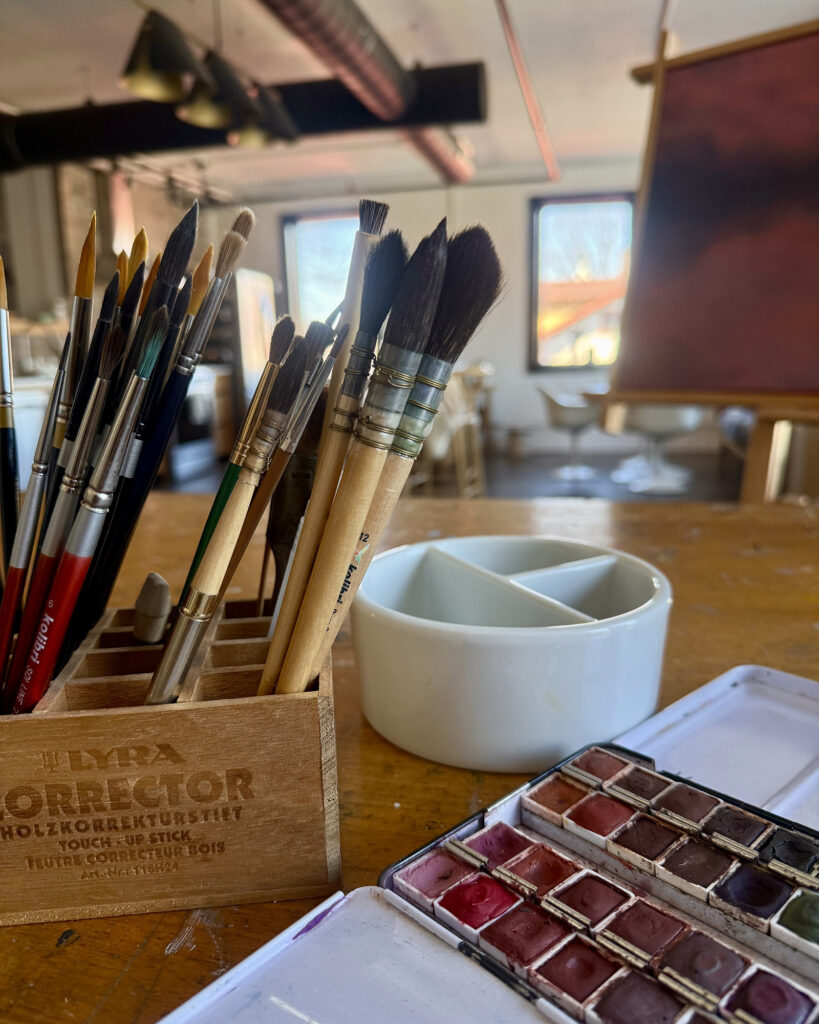
“Boxes of cheap colours are to be avoided. Children are worthy of the best, and some half-dozen tubes of really good colours will last a long time, and will satisfy the eye of the little artists.”
Vol. I, p. 313.
Charlotte makes this statement with good reason. Not only are cheap watercolors often lower in pigment and higher in fillers and binders, they also don’t behave like watercolor. They lack that lovely transparency and flow. They can also be difficult to blend, quite chalky, and fade over time.
@rbaburina
February 5, 2026
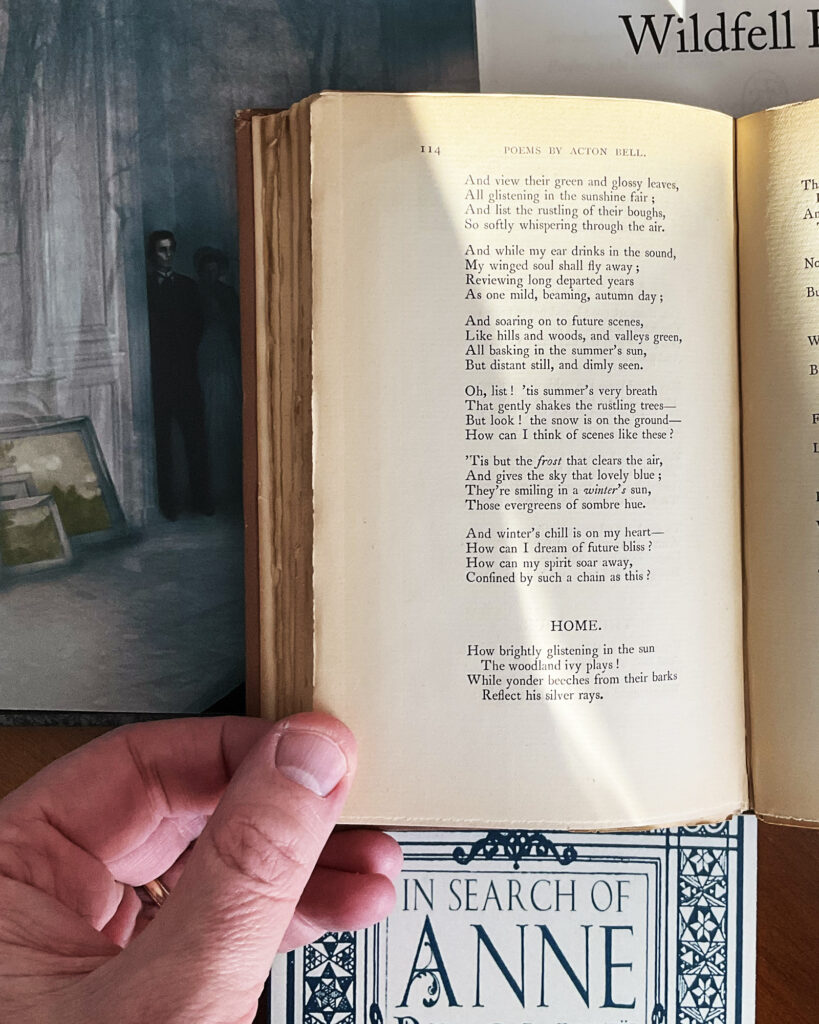
A cherished ritual of the Charlotte Mason Poetry team retreat is the poetry discussion. We select a poet for the year and have many months to prepare. I linger on the poems and write down my observations. Eventually I draw my conclusions, affective and analytical, or a blurring of the two.
One year was Emily Brontë, followed by Charlotte Brontë. Our choice for 2026 is perhaps a logical choice, Anne Brontë.
But I feel guided by something other than logic. Emily led me to shadowy places where I could see and hear my fears. Charlotte pointed me to light shining in those places and showed me the poetry behind the novels I love so much. My heart now wants to see what the third sister will say.
I don’t want to read only poems. I want to read The Tenant. I want to read the life. This year, at least, I’m in search of Anne. My logic says I should. My heart says I must.
@artmiddlekauff
February 6, 2026
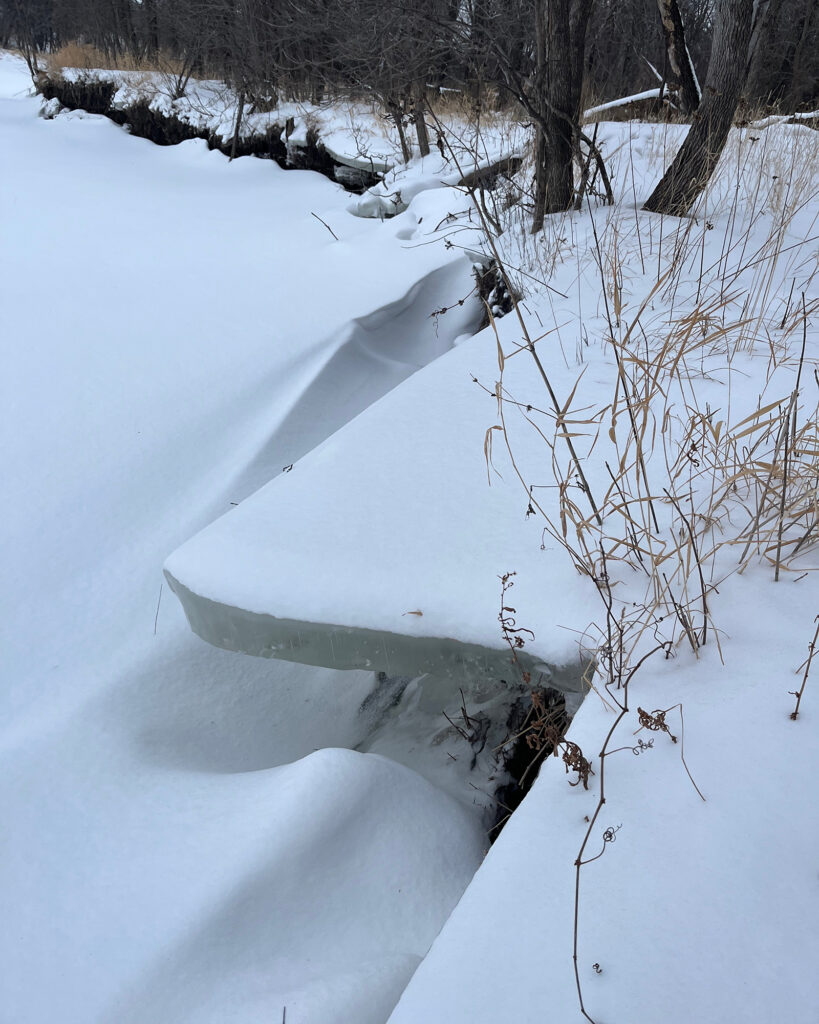
Winter Uplands
The frost that stings like fire upon my cheek,
The loneliness of this forsaken ground,
The long white drift upon whose powdered peak
I sit in the great silence as one bound;
The rippled sheet of snow where the wind blew
Across the open fields for miles ahead;
The far-off city towered and roofed in blue
A tender line upon the western red;
The stars that singly, then in flocks appear,
Like jets of silver from the violet dome,
So wonderful, so many and so near,
And then the golden moon to light me home—
The crunching snowshoes and the stinging air,
And silence, frost, and beauty everywhere.
Archibald Lampman (1899, Ottawa, Canada)
@antonella.f.greco
February 7, 2026
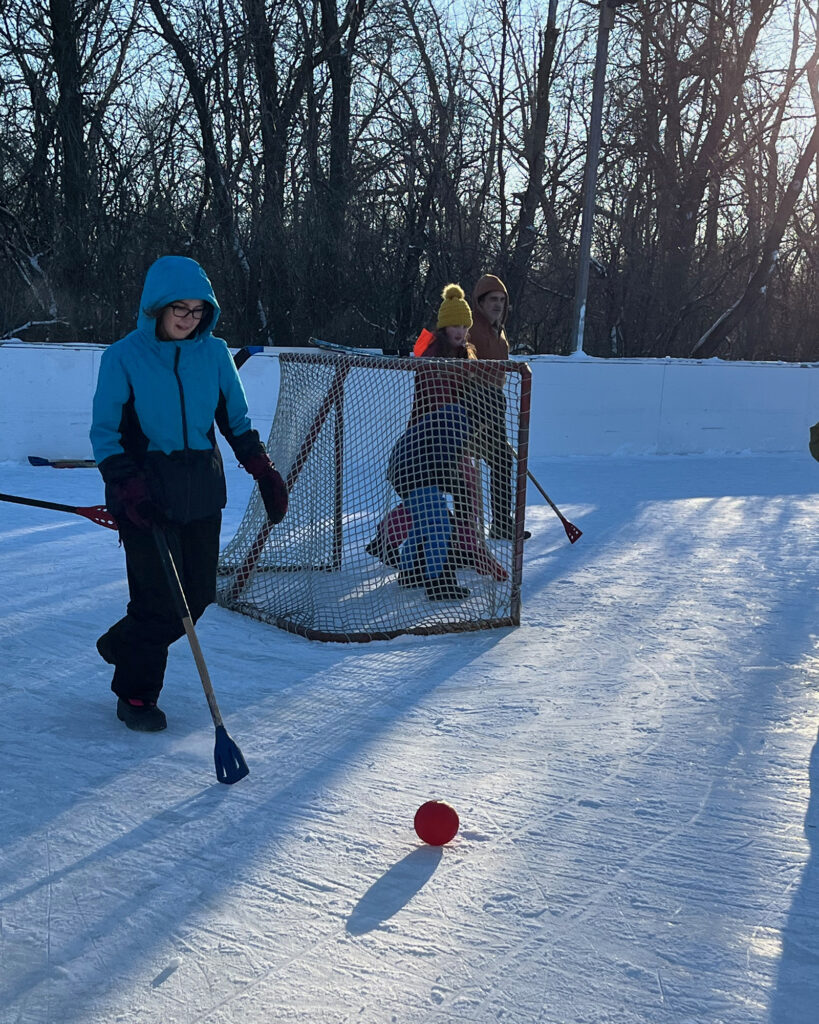
“Pleasures connected with Frost and Snow.—When frost and snow are on the ground children have very festive times, what with sliding, snow-balling, and snow-building. But even on the frequent days when it is dirty under foot and dull over head they should be kept interested and alert, so that the heart may do its work cheerfully, and a grateful glow be kept up throughout the body in spite of clouds and cold weather.” (Vol I, p 85)
@antonella.f.greco
February 8, 2026
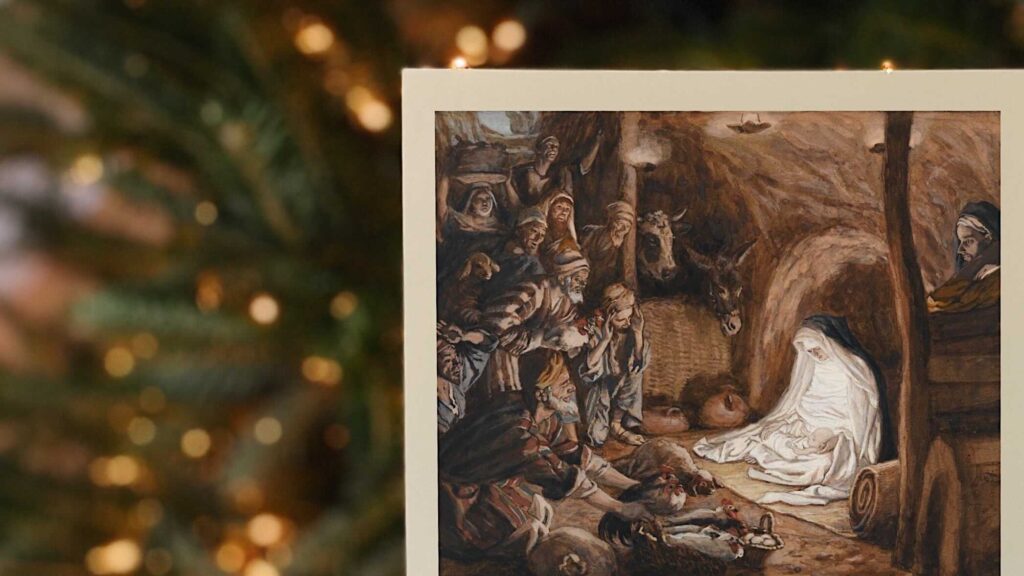
“God is the God of all flesh and does not leave Himself without a witness anywhere,” writes Charlotte Mason. These words in Ourselves Book II find dramatic expression in her fifth poem in The Saviour of the World. As we read the poem, we find familiar prophets — Isaiah, Haggai, Daniel, and Micah. But then we also find some very surprising ones. Read or hear Charlotte Mason’s thought-provoking poem here.
@artmiddlekauff