The CMP Review — Week of July 13
July 13, 2026
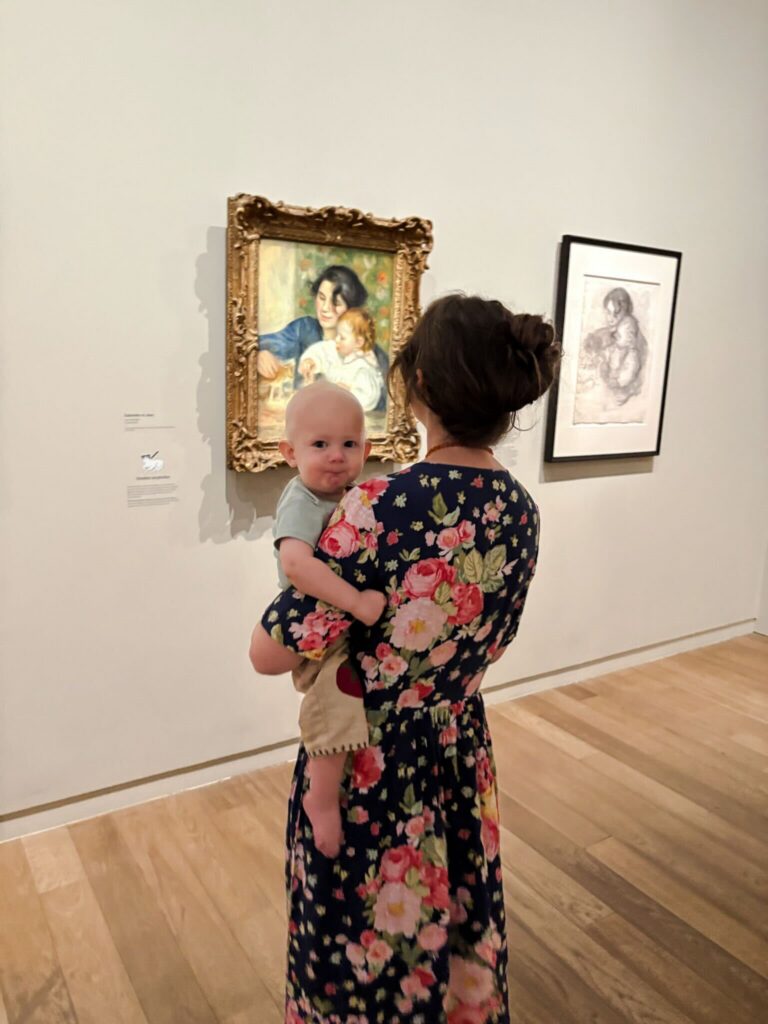
“We have seen that the strong and deep affection between mother and child which God has implanted in our natures is something more than the instinct by which the young are nurtured and protected. That in our higher and more complex nature, mother-love has a correspondingly higher and wider purpose, reaching through its threefold range of body, mind, and spirit, to Him, ‘Whose Nature, and Whose Name is Love.’” (“Mothers and Children”, by Constance Nankivell, PR18)@tessakeath
July 14, 2026
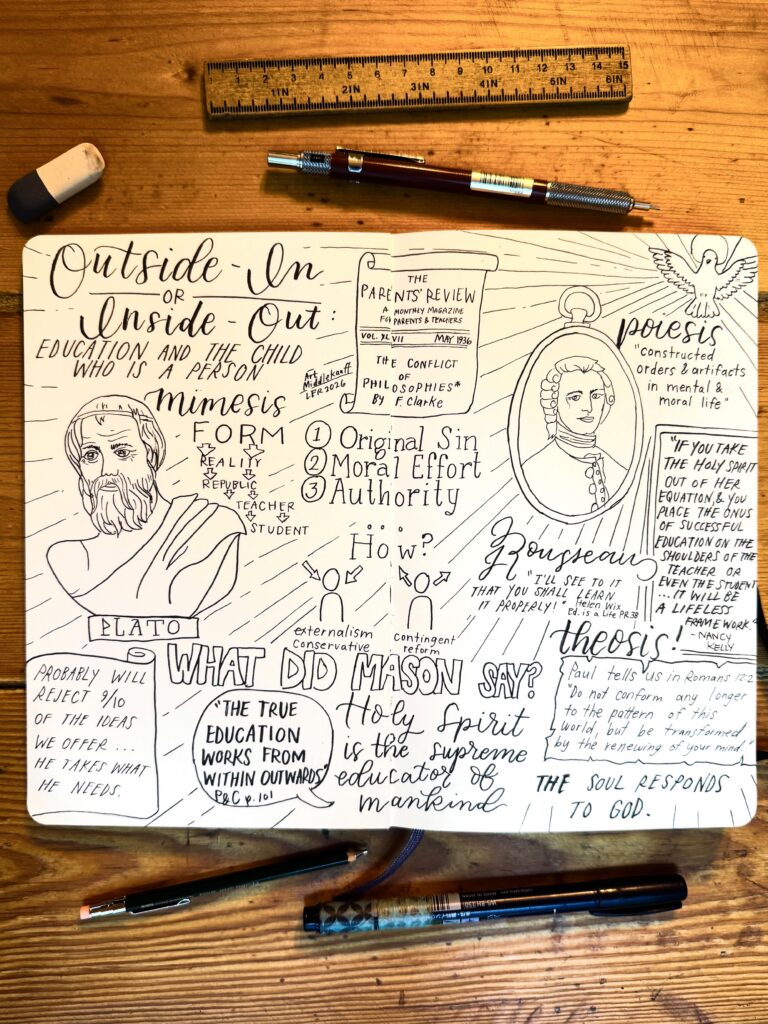
“A person is not built up from without but from within,” writes Charlotte Mason; “that is, he is living, and all external educational appliances and activities which are intended to mould his character are decorative and not vital.” With these words Mason challenges the instinctive and traditional desire to see education as primarily an outside-in activity. What are the implications of Mason’s insistence that “life is sustained on that which is taken in by the organism, not by that which is applied from without”?
These are the questions I explored in my plenary session over the weekend at the Living Education Retreat. It led to a journey from Athens, Greece all the way to a public high school in Michigan. Hear my message, recorded live, here.
@artmiddlekauff
July 15, 2026

Charlotte Mason’s approach to mathematics is much like a mountain path.
The good news is that you don’t need to be an expert mountaineer. You only need to guide your child to the next step.
A good guide understands pace.
They don’t rush ahead.
They don’t drag or prod someone up the trail.
Neither do they carry them.
They make sure each step is secure before moving on, because secure steps matter more than speed.
@rbaburina
Photo credit: @aolander
July 16, 2026
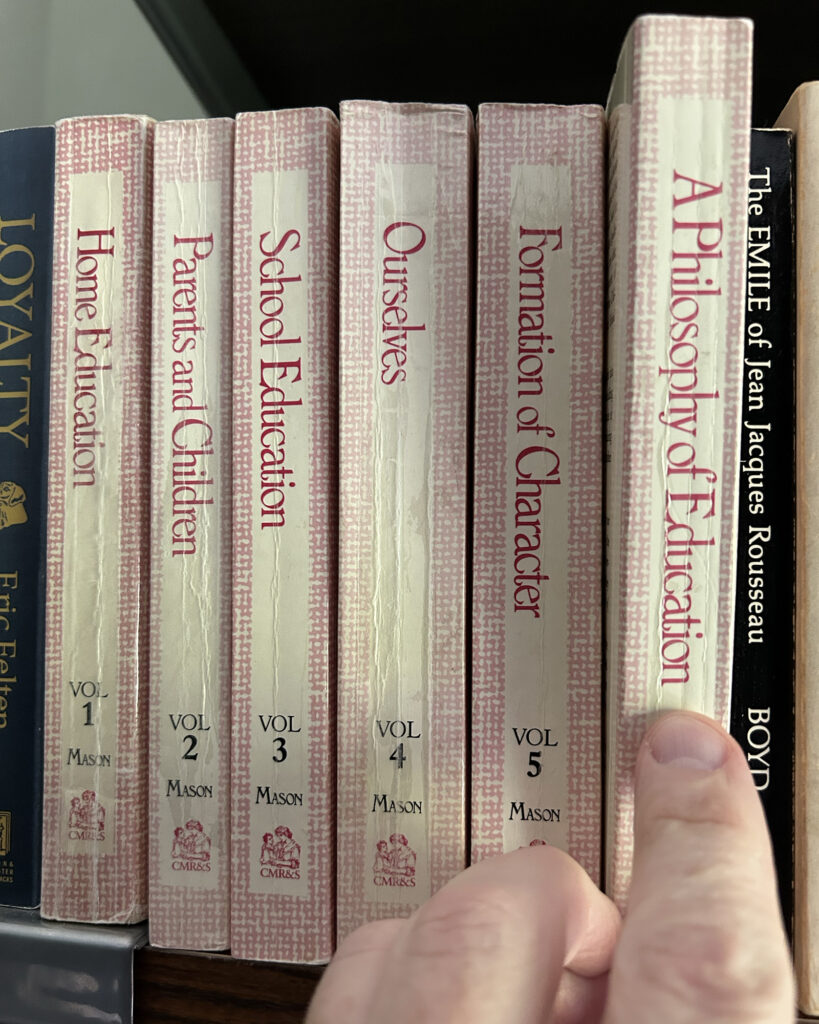
Three pages per day. Ninety pages per month. Three volumes per year. One series per two. J’ai fini pour la cinquième fois. Merci mes frères et mes soeurs. Vous êtes mes amis.
Tomorrow it’s back to Home Education for Idyll Challenge VI. There are still open spots in the men’s group I’m leading so don’t put it off — register today!
Or feel free to form your own group and follow along with our publicly-posted schedule. With God’s help, I’ll see you at the finish line in 2028! Find details here.
@artmiddlekauff
July 17, 2026
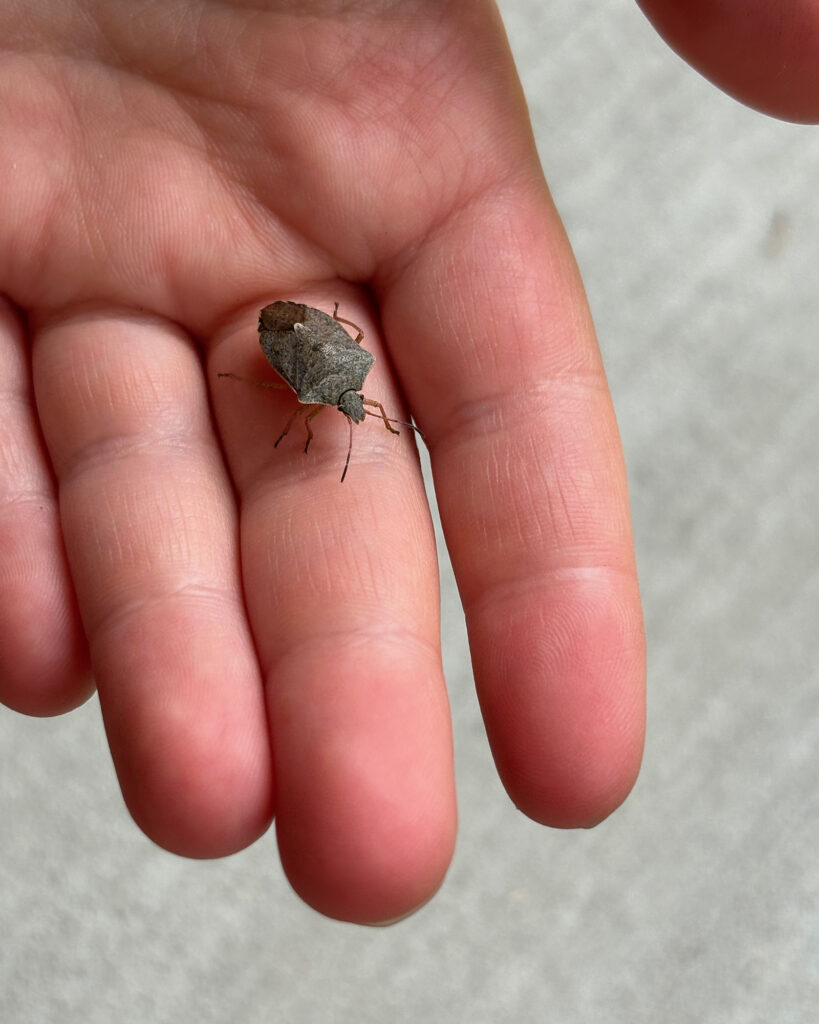
🪲 The stink bugs, it is true, are not new; but the children are. 🪲
Paraphrased from Charlotte Mason’s Home Education, page 53. 😀
@antonella.f.greco
July 18, 2026

“An Observant Child should be put in the way of Things worth Observing.”— Charlotte Mason
One of my fondest childhood memories is lying on sleeping bags spread across the garage floor with my siblings, watching summer storms roll through. We’d count the seconds between lightning and thunder, breathe in the smell of rain, and watch the sky change before our eyes.
No one called it a lesson. No one handed us a worksheet. We were simply put in the way of something worth observing.
Those quiet moments taught us to notice—the changing light, the movement of the clouds, the rhythm of the rain. Long before I ever picked up a paintbrush or kept a nature journal, they were shaping the habit of attention.
What did you love to observe as a child?
(Home Education, p. 69)
@rbaburina
July 19, 2026
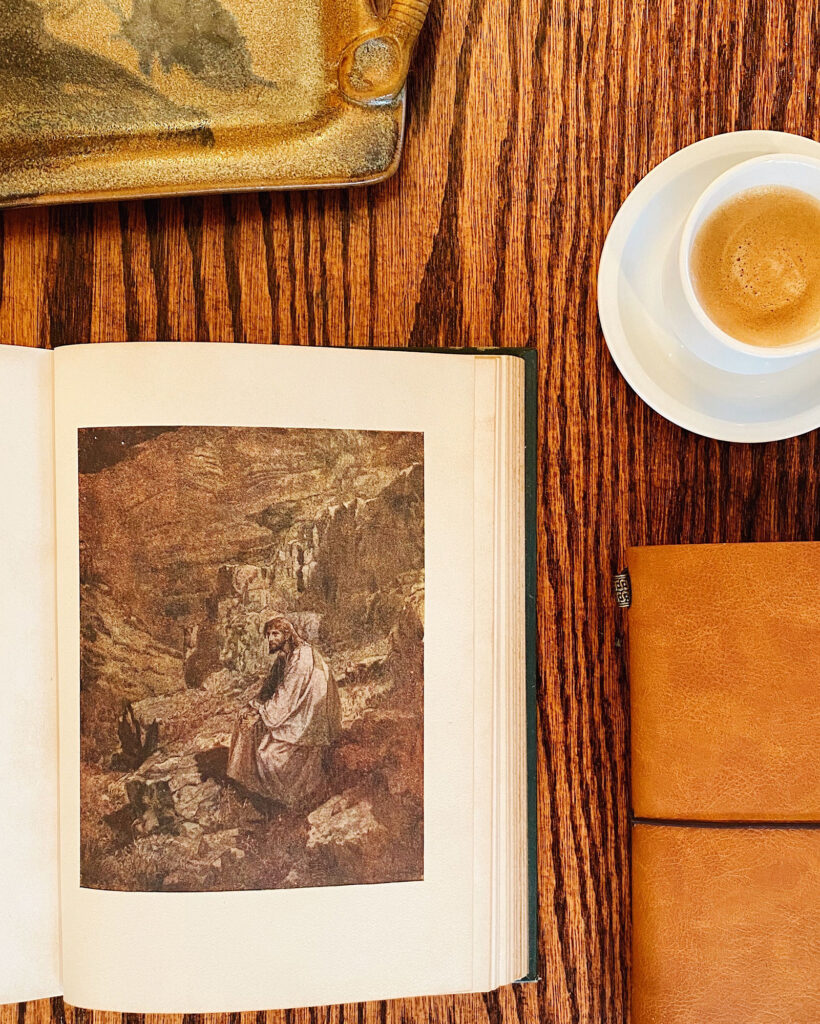
William Paley noted that the nation of Israel “had understood their prophecies to foretell the advent of a person, who by some supernatural assistance should advance their nation to independence, and to a supreme degree of splendour and prosperity. This was the reigning opinion and expectation of the times.”
And then Jesus came. “A mission, the operation and benefit of which was to take place in another life, was a thing unthought of as the subject of these prophecies,” writes Paley. The operation and benefit was for another life.
The great Messiah came, but no splendor or prosperity accompanied Him. He was rejected and mocked by men. And when he withdrew from men, he was tempted and mocked by the devil himself.
During some unknown time of deep reflection and struggle, Charlotte Mason wrote about how the temptations of Christ found a reflection in her own life. Her poem is divided into three sections: Of Dreariness. Of Disappointment. Of Isolation.
Even today we expect “a supreme degree of splendour and prosperity.” And yet it continues to elude our grasp. It is so hard, it seems, to understand the mission for which Messiah came. Yet even in this life, He speaks to each of us, each of us a “Disciple in the Wilderness.” Find it here.
@artmiddlekauff