The CMP Review — Week of July 20
July 20, 2026
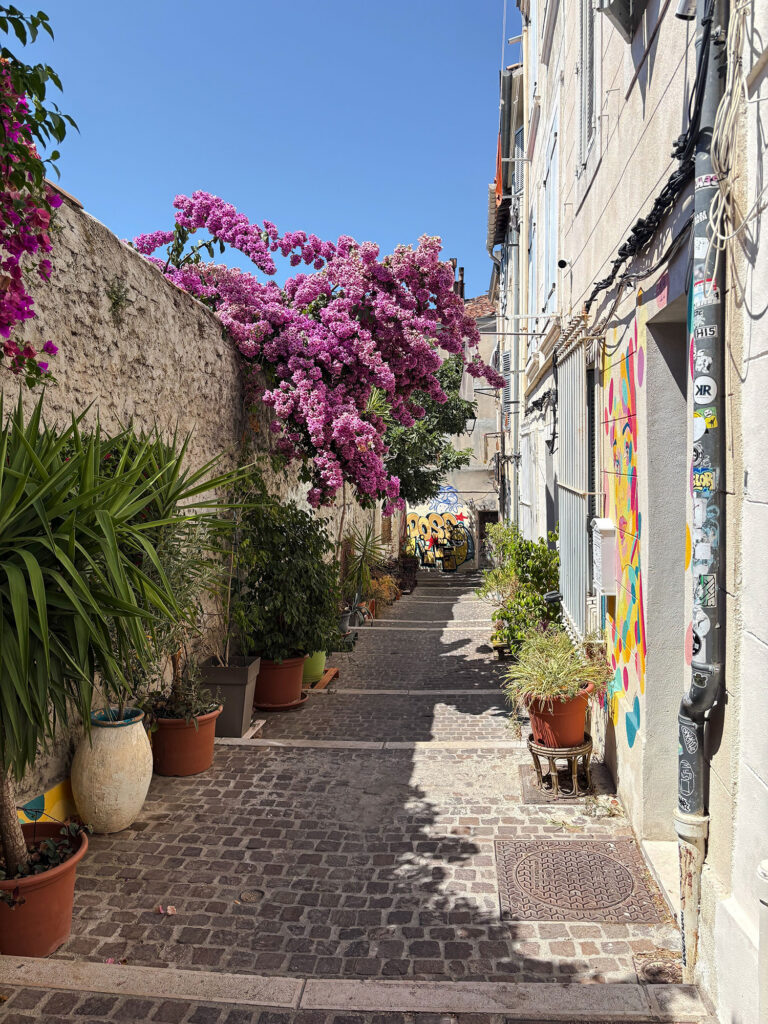
“How does Miss Mason’s philosophy of education help a girl to live fully? … The width of the curriculum helps towards balance; there is no wild stressing of one side of life to the exclusion of all others, each is given its place and its proper value. The sense of wonder is preserved, that sense that leads us in joy-filled reverence to love and to enjoy things for their own sacred beauty. The sense of courage is developed in fearless facing of truth as it is met with in our reading. The joy of achievement is discovered in handworks of all kinds and in creating, and the thrill of accuracy in science and mathematics. Gratitude to the past and opportunity of service to the future are felt all along in such lessons as Musical Appreciation and Picture Study. Work to the Parents’ Union School child is a joy, but not a joy to be reached without effort. Effort in itself is worth while. That attitude helps to a full life, a life ready for whatever comes, that knows how to revel in all joys and how to face quietly and high-heartedly all difficulties and to go out and meet each experience.” (“Education in the Parents’ Union School” by Mrs. Shelley, PR47)
@tessakeath
July 21, 2026
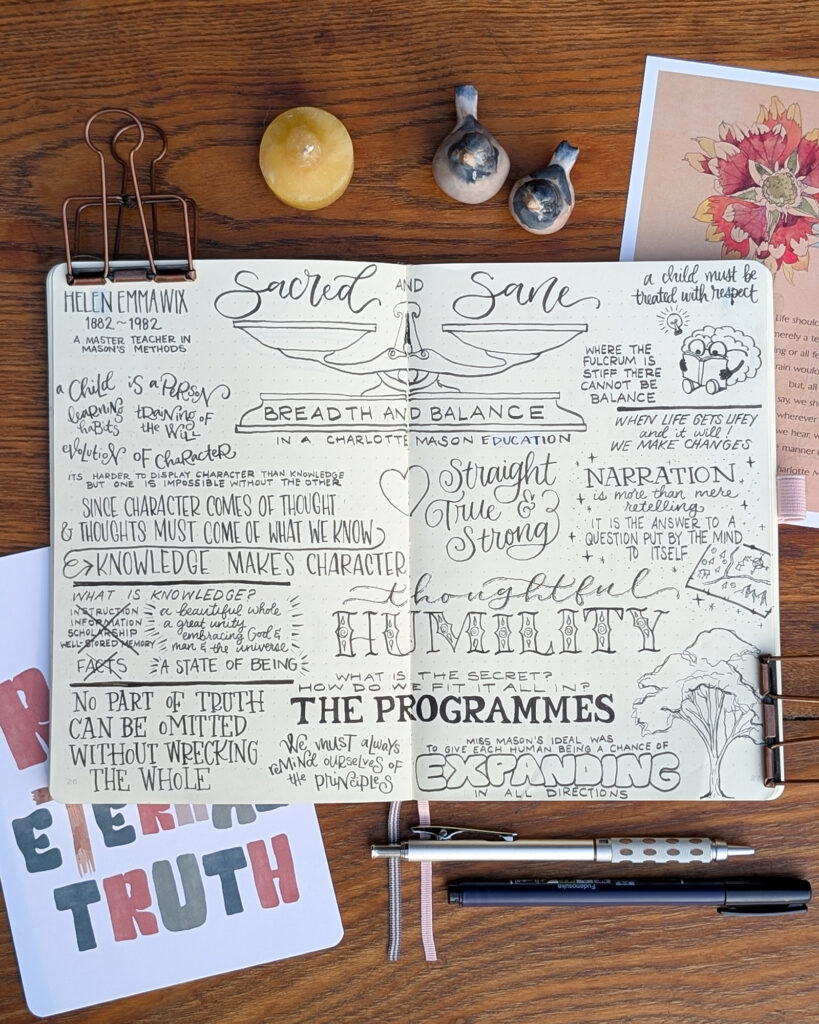
The main marks of a living education are breadth and balance — Charlotte Mason’s ideal. She wanted to give each person a chance of expanding in all directions. Did Miss Mason emphasize knowledge over character? How much emphasis should we place on narration? Is my school out of balance?
These are the questions Nancy Kelly explored in her plenary entitled “Sacred and Sane: Breadth and Balance in a Charlotte Mason Education.” Listen in to consider what constitutes “breadth and balance” and where today’s schools and curricula are hitting — or missing — the mark. Recorded live at the 2026 Living Education Retreat. Find it here.
@artmiddlekauff
July 22, 2026
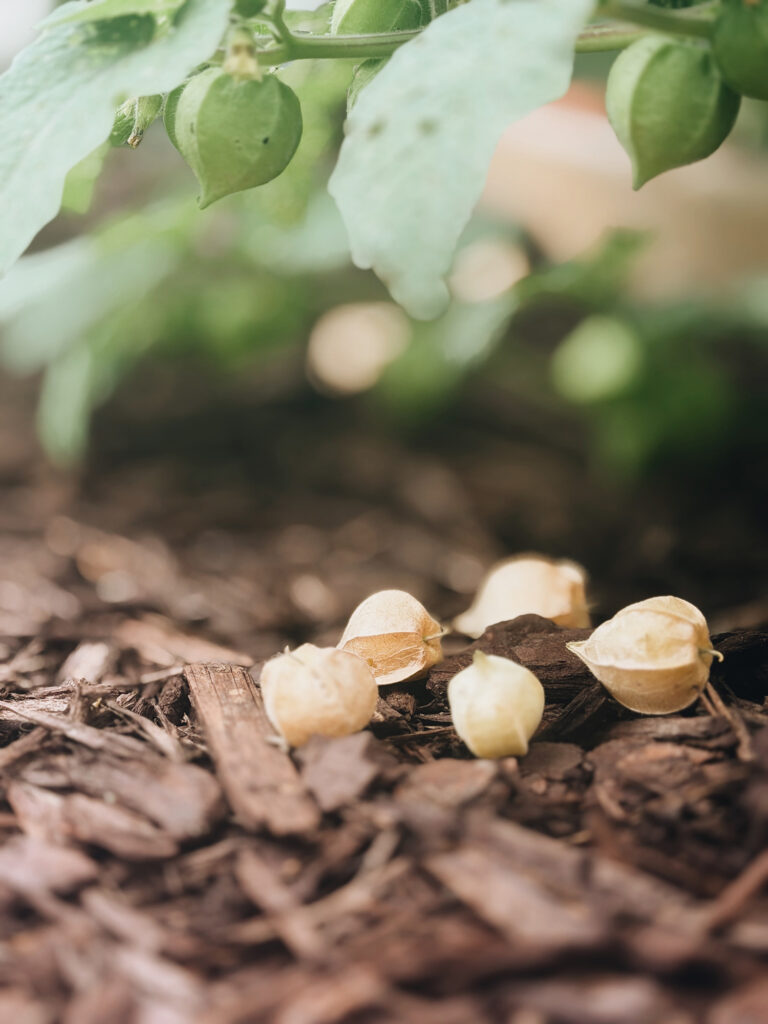
“He never ceases to wonder at the transformation from flower to fruit in gooseberries, apples, strawberries, plums, and quite realises that such ‘marvellous works’ can only come from God Himself.”Elizabeth Pyper, “The Child in the Garden,” The Parents’ Review, 1917, pp. 533-537.
@rbaburina
Photo credit @aolander
July 23, 2026
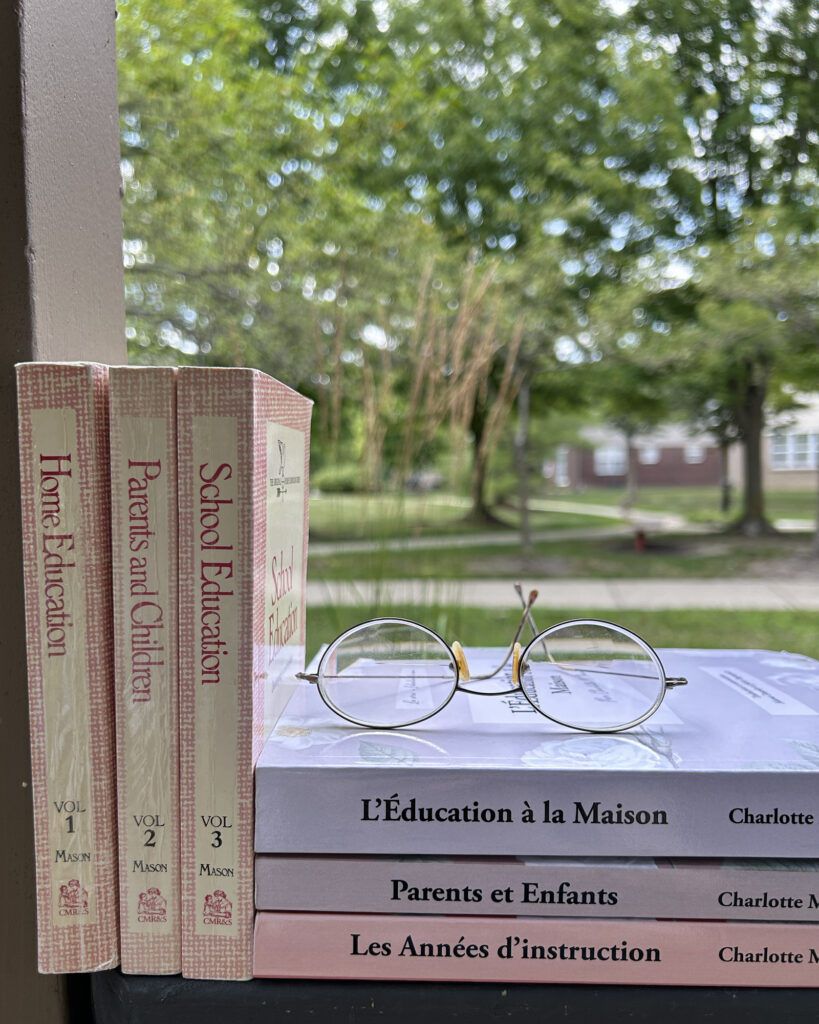
I’m doing it!
Yes, for this Idyll Challenge, I have been reading Home Education in French, in the expert and dynamic translation by Maeva Dauplay and Sylvie Dugauquier.
Going into it, my worries were that the French would be too hard, it would slow me down, and I would miss the key ideas that Miss Mason wanted to impart.
So far I have found that the French is not too hard, though it does slow me down a bit. But in a good way. Having read Home Education at least a half-dozen times, my eyes can breeze past familiar passages in English. Not so in French.
And the key ideas … far from being obscured, I find they stand out in a kind of starker majesty. Masterly inactivity has become « l’inactivité magistrale » — how noble and dignified is that? And system vs. method? « Le système » appeals to « la mollesse de la nature humaine » — “the sluggishness of human nature” — ouch!
And « le code d’éducation dans les Évangiles » — “the code of education in the Gospels,” expressly laid down by Christ — from where the “the ought get its awful majesty” — the French is highlighting, not obscuring, Mason’s points.
I’m grateful to be climbing towards the same lofty ideas on a different stairway of words, thanks to the work of Maeva and Sylvie. Perhaps you’ve seen the monthly schedule of Idyll Challenge VI? I have also broken this down to a daily schedule of readings which you can follow if you’d like — post a comment to request the link.
P.S. If you registered for the Idyll Challenge and haven’t heard back, check your spam filter for emails from art@charlottemasonpoetry.org. Some people have missed their confirmation emails this way. And if you are confirmed in a group, best get started reading now, because you probably won’t have the entire month of August to read.
@artmiddlekauff
July 24, 2026
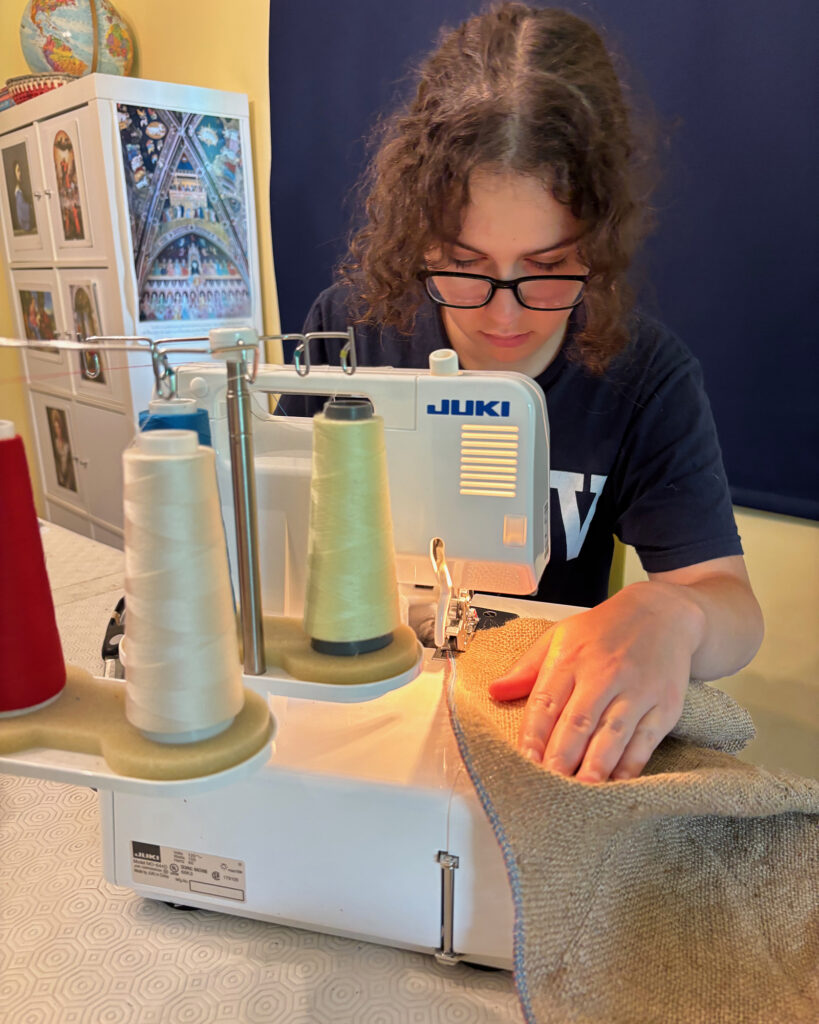
I did not think it would work for her to use this very coarse fabric on her serger. She doesn’t have a tonne of experience with the serger yet (she was gifted it by a lovely friend who wasn’t using her serger anymore.) And I told her that I was worried it would be too difficult to work with, it would jam up her machine, and she’d end up being disappointed and discouraged.
But, though she has only used a serger a handful of times, she is very comfortable around sewing machines in general, and she told me she thought it would be “fine”.
I proceeded to watch her with much trepidation. (I’m the type that is paralyzed by fear of imperfection.)
And do you know what?
It was fine!
It’s much better to be the type of person to just give it a try, trusting in yourself that it will be “fine”, and that if it isn’t, you’ll be able to handle whatever comes of it.
@antonella.f.greco
July 25, 2026

It has been such a wet spring and summer. Look at these teeny tiny lovelies we found on a walk around the neighbourhood!
Don’t you just love finding tiny things in creation?
@antonella.f.greco
July 26, 2026
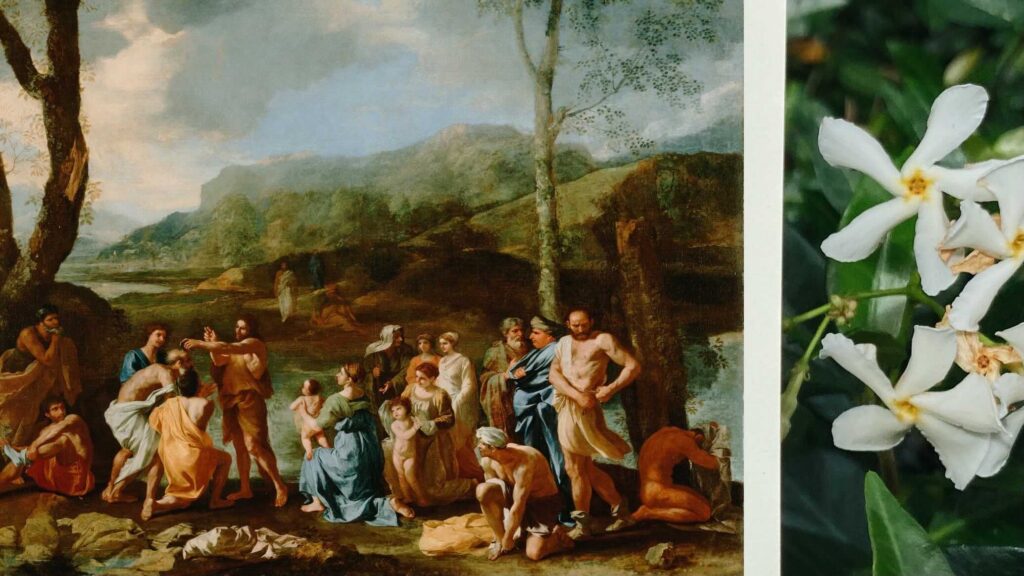
“All nature is symbolic,” wrote Charlotte Mason in 1898, “or, as has been better said, is sacramental.” She wrote these words after sharing them in a Sunday afternoon meditation on the Gospel of John.
Ten years later she returned to this Gospel. She had just begun the “work dearer to her heart, perhaps, than all the rest” — six volumes of original poetry about the life of Christ. Her aim was to illuminate the words and deeds of Christ, contemplated in chronological sequence. In her first volume, she came to the baptism of Christ.
Exegetes and commentators notice and speak about the appearance of a dove. But Mason saw more than symbolism. She returned to her meditation at Scale How and contemplated this dove as one element of a larger tapestry:
The Sign of the Dove! What might it mean to John?
He knew the sign of the sun, traversing heaven,
The signs of the former and the latter rains,
Knew every leaf inscribed with the name of God;
That all things bore the meanings of the Almighty
For him who knew to discern the seasons’ signs.
Mason’s poem shows us how every leaf can remind us of the baptism of God’s Son. This work so dear to Mason’s heart is dear to us too. Today’s poem is accompanied by a lovely recording by our very own Antonella Greco. Let the sounds and images of poetry bring you to the preaching and the presentation of the Baptist who revealed the Lamb of God. Find it here.
@artmiddlekauff
🖼️: Saint John Baptizing in the River Jordan by Nicolas Poussin