The CMP Review — Week of June 15
June 15, 2026
“Beauty in Nature.—But Beauty is everywhere—in white clouds against the blue, in the gray bole of the beech, the play of a kitten, the lovely flight and beautiful colouring of birds, in the hills and the valleys and the streams, in the wind-flower and the blossom of the broom. What we call Nature is all Beauty and delight, and the person who watches Nature closely and knows her well, like the poet Wordsworth, for example, has his Beauty Sense always active, always bringing him joy.
“We cannot get away from Beauty, and we delight in it most perhaps in the faces and forms of many little children and of some grown-up people.” (Vol. 4 Bk. 1 pp. 41-42)
@tessakeath
June 16, 2026
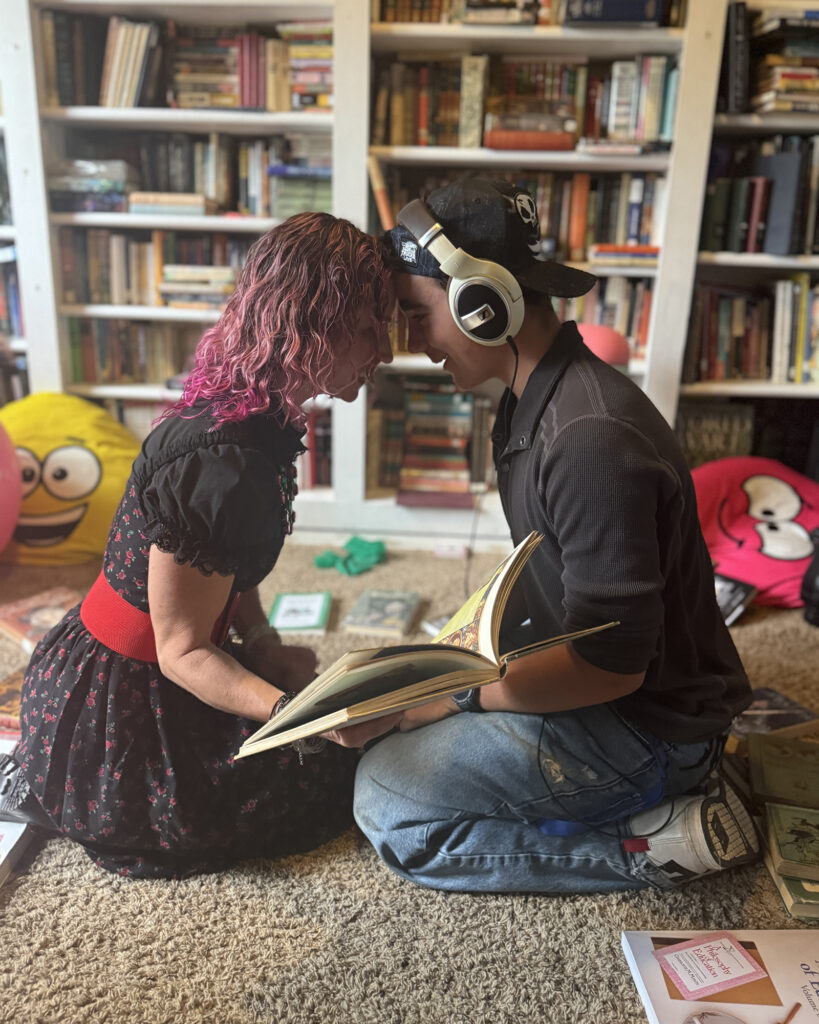
If you’ve listened to the Charlotte Mason Poetry podcast for a while, you’ve probably heard Kathy Dlugolonski’s voice. She’s recorded more than ten vintage Parents’ Review articles for us, covering topics such as nature study, art, and character training. But in addition to reading writings by Charlotte Mason and the PNEU, she’s also done a lot of original work herself.
Some of Kathy’s work was prompted not so much by interest as by necessity. Early in her homeschooling journey, she was drawn to many of the ideals of a Charlotte Mason education. She had images in her mind of the atmosphere and life that her family could experience. But it was not to be.
When Kathy realized that her children were blessed with special needs, she had to rethink her relationship with Charlotte Mason. Thankfully, her inspiring journey led her not farther from but closer to Miss Mason. She found that a Charlotte Mason feast was actually the best thing for her children with special needs.
I’m so thankful that Kathy has written out her story and her research to share with all of us. Now we can all hear Kathy reading not only voices from the last century, but a voice from today — her own. Read or listen to her helpful and inspiring article here.
@artmiddlekauff
June 17, 2026
Have you seen this book?!
The Edwardian Lady is the story of Edith Holden, most well-known for her nature notes. It’s a beautiful, image-rich compilation by Ina Taylor, that tells of her life with the backdrop of the Industrial Revolution and the Arts & Crafts movement.
@rbaburina
June 18, 2026
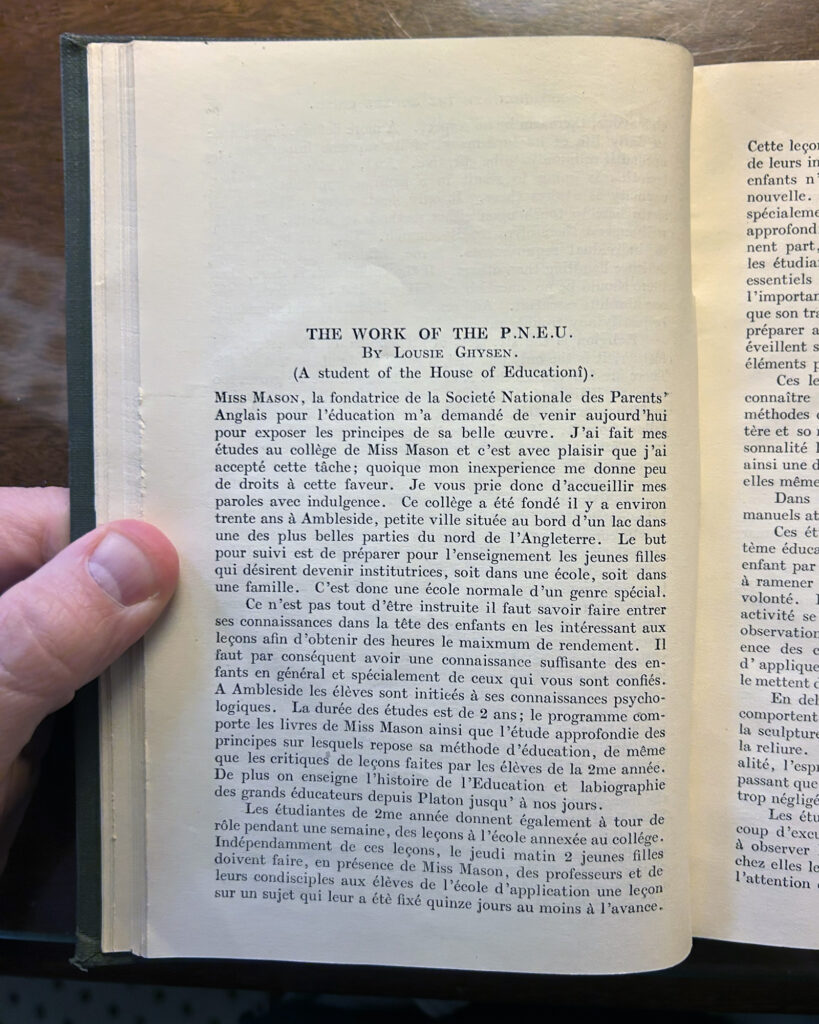
I’m always delighted and bit surprised when I open a Parents’ Review volume and find an article written entirely in French. The latest one I found is by Louise Ghysen, a young House of Education graduate residing in Belgium. When an Educational Congress was held there in 1920, Miss Ghysen represented the PNEU.
“Miss Mason,” she began, “m’a demandé de venir aujourd’hui pour exposer les principes de sa belle œuvre” = “asked me to come today to explain the principles of her fine work.”
To her appreciative audience, she presented such familiar concepts as “L’Éducation c’est l’ambiance, la discipline, la vie” = “Education is an atmosphere, a discipline, and a life,” and “un cahier special” = the nature notebook. She also talked about what she did at the House of Education: “le programme comporte les livres de Miss Mason” = “the curriculum consists of Miss Mason’s books.”
What I find most interesting are her closing remarks, which discuss how Mason’s ideas could be applied in Belgium, and other countries: “Si l’on veut, sur le continent, adopter cette méthode il ne faut pas la copier servilement. II faut en effet tenir compte de la différence de race et par conséquent de mentalité et de besoins.”
Or to translate: “If one wishes, on the continent, to adopt this method, one must not copy it slavishly. Actually, it is necessary to take into account the difference of culture, and consequently, of mentality and needs.”
That was Belgium in 1920. How much more so in America, or anywhere else in the world, in 2026.
Her second warning is just as apropos: “la méthode de Miss Mason dans nos pays latins devrait être étudiée par des éducateurs non routiniers, non inféodés aux vieilles conceptions qui nous sont transmises de génération en génération.”
That is, “Miss Mason’s method … should be studied by educators who are not set in their ways, not bound to old conceptions that have been passed down to us from generation to generation.”
New ideas for the whole world. Thank you, Miss Ghysen, for expressing that in a way we can all understand.
@artmiddlekauff
June 19, 2026
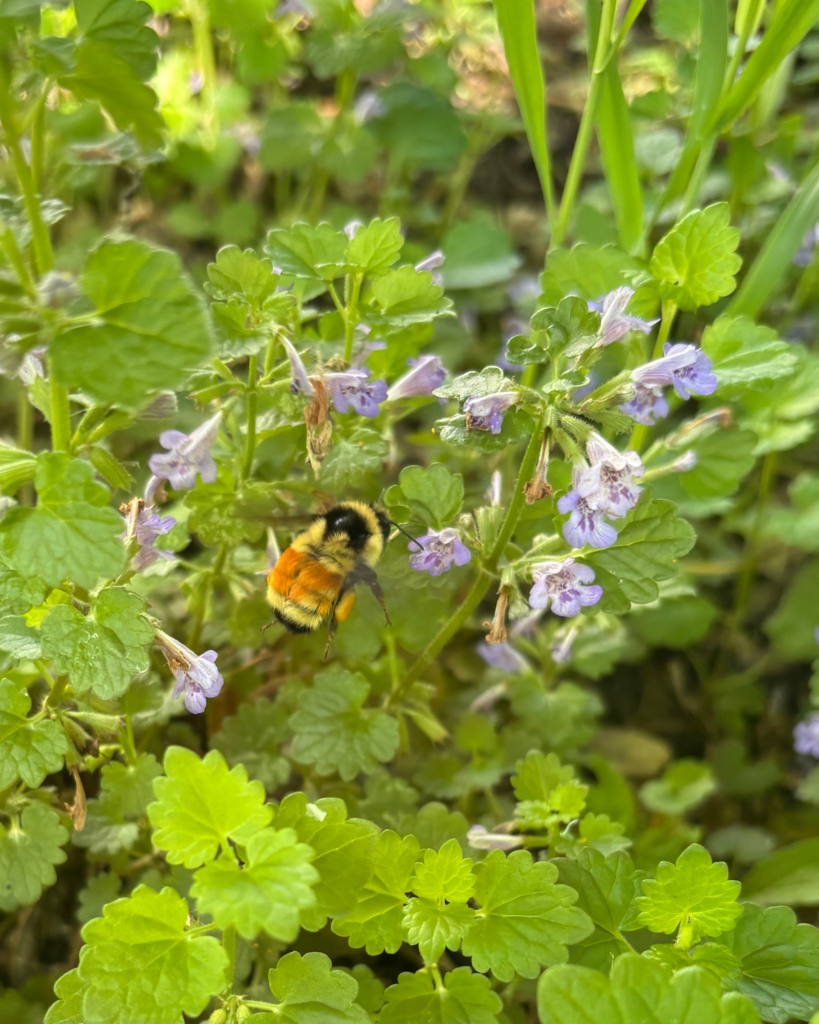
“The more we Listen, the more we Hear.—Then, as you listen more, you hear more. The chirp of the grasshoppers becomes so noisy that you wonder you can hear yourself speak for it; then the bees have it all to themselves in your hearing; then you hear the hum or the trumpet of smaller insects, and perhaps the tinkle and gurgle of a stream. The quiet place is full of many sounds, and you ask yourself how you could have been there without hearing them. That just shows you how Hearing may sleep at his post. Keep him awake and alive; make him try to hear and know some new sound every day without any help from sight. It is rather a good plan to listen with shut eyes.” (Vol IV, Book I, p 30)
@antonella.f.greco
June 20, 2026



Nature journaling belongs to you too.
I created Nature Journaling Together — a free community for building your own lifelong practice. Weekly live Paint Together sessions, tutorials, and kindred spirits.
(Nature Journaling Together is independent from Charlotte Mason Poetry, but I’m letting you know about it here because I think you’ll love it!)
Come paint with us. Find out more here.
@rbaburina
June 21, 2026
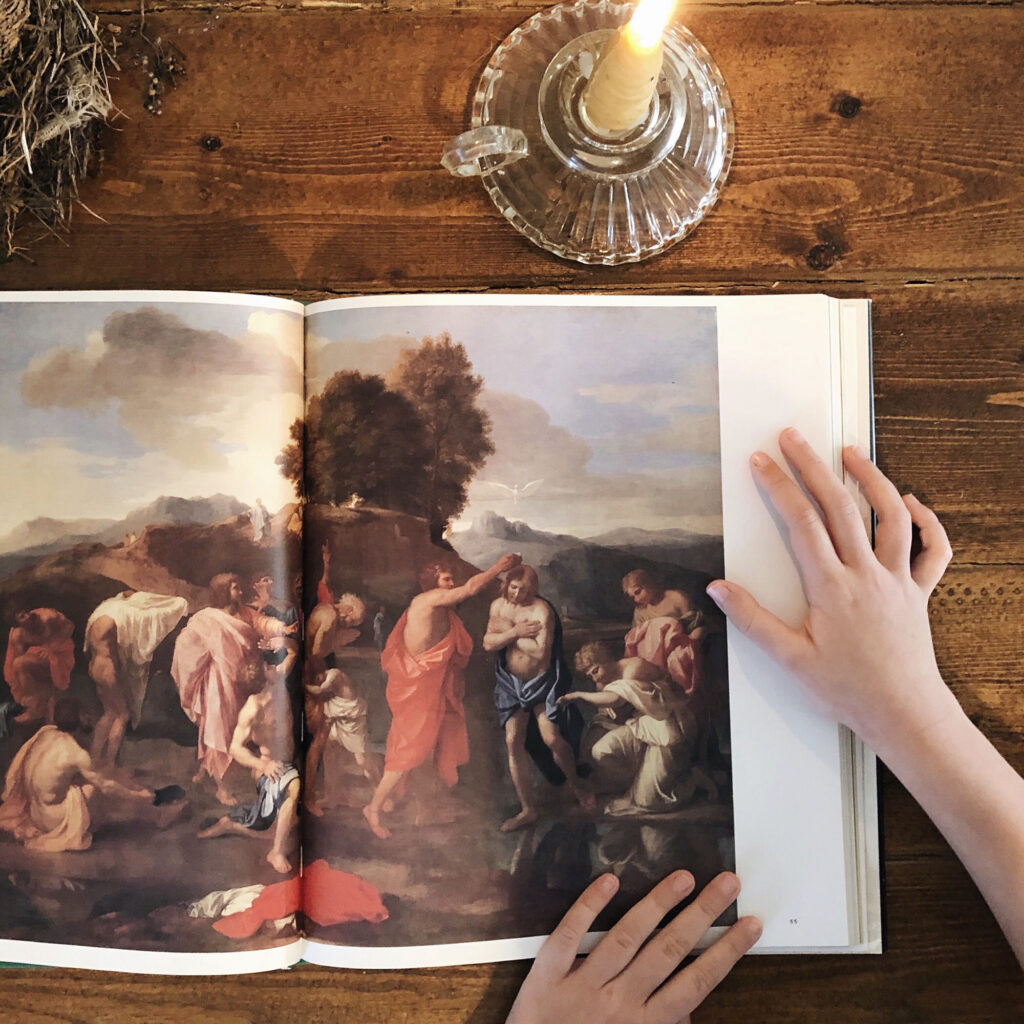
“To [John the Baptist], as to each of us, the revelation of Christ came by the Holy Spirit; ‘he beheld the Spirit descending as a dove out of heaven and it abode upon Him.’ Most of us have observed how the everyday sights of the natural world have been hallowed, whether by association with our Lord, or, by His use of them to convey deeper truths. The lambs upon the hillside, the reeds in our lakes, the shepherd and his flock, the grass, the cornfield, the wind, the face of the sky, the sea and the fishing boats and the fisher folk, and many other sweet natural associations, are as bonds of sympathetic thought between us and our Lord.” (Charlotte Mason)
Charlotte Mason wrote a poem celebrating the baptism of Christ. Can the beauty and wonder of nature really lead us to “sympathetic thought between us and our Lord”? It did for John. Read or hear the poem here.
@artmiddlekauff