The CMP Review — Week of April 20
April 20, 2026
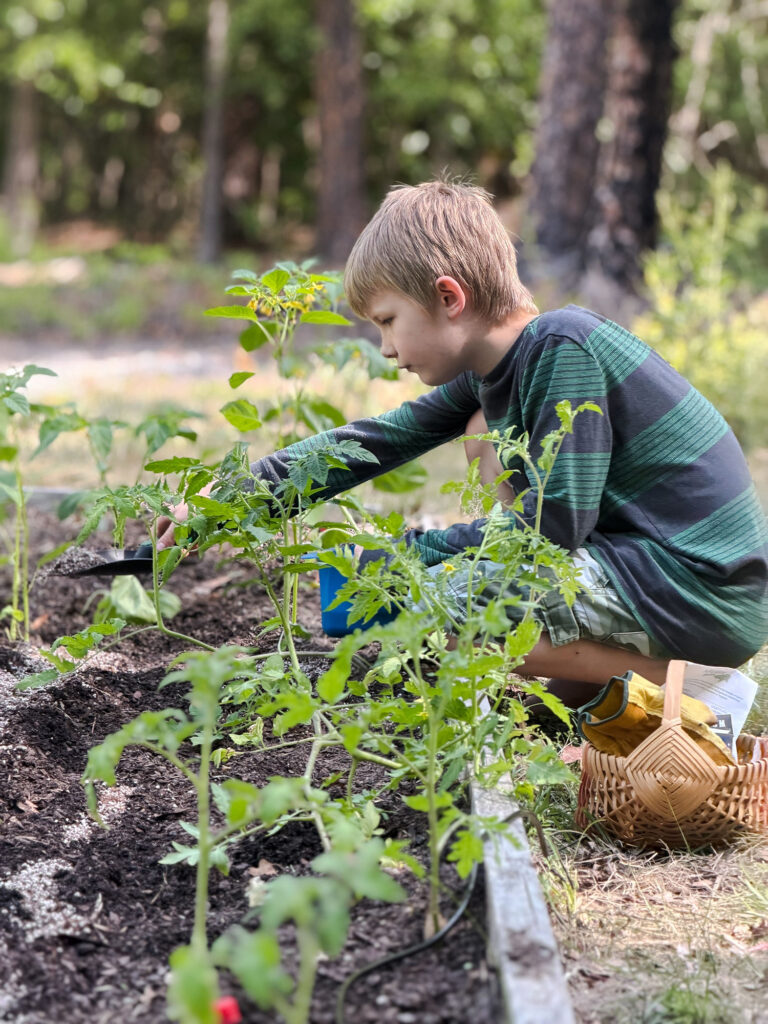
“Indeed, I think that a child who follows his parents or the gardener about—watching the care they take, unconsciously assimilates a like care and reverence for plants and tools. He is much less likely to run over a bed of seedlings or bang apple-blossom with a stick, than a child who simply uses a garden, of which he knows nothing, and for which he has done nothing, as a playground. And what a delight and privilege it is to have your child sharing your work and interests through all the seasons, in the garden, and watch his life, physical, moral, mental, spiritual, develop and blossom like the flowers.” (“The Child in the Garden”, E. A. Pyper, PR28)@tessakeath
April 21, 2026
The Library of Congress in Washington, DC is not like a normal library. One cannot simply walk in off the street and browse the shelves. Even if one obtains a reader card (which I have), one cannot wander among the stacks of books. One must request specific volumes to be delivered to the reader room. And so I request a small subset of the vast inventory of almost 100 years of Parents’ Review and PNEU Journal issues.
I pick years that I think will be interesting. I don’t always know exactly what I’m looking for. In the quiet of the Jefferson Reading Room I browse the pages. I look at the table of contents, the authors’ names, the article titles.
But then I do know what I’m looking for. I’m looking for things by Charlotte Mason herself that have not appeared anywhere else. Writings by her that will give us just a bit more insight into her thinking and her philosophy.
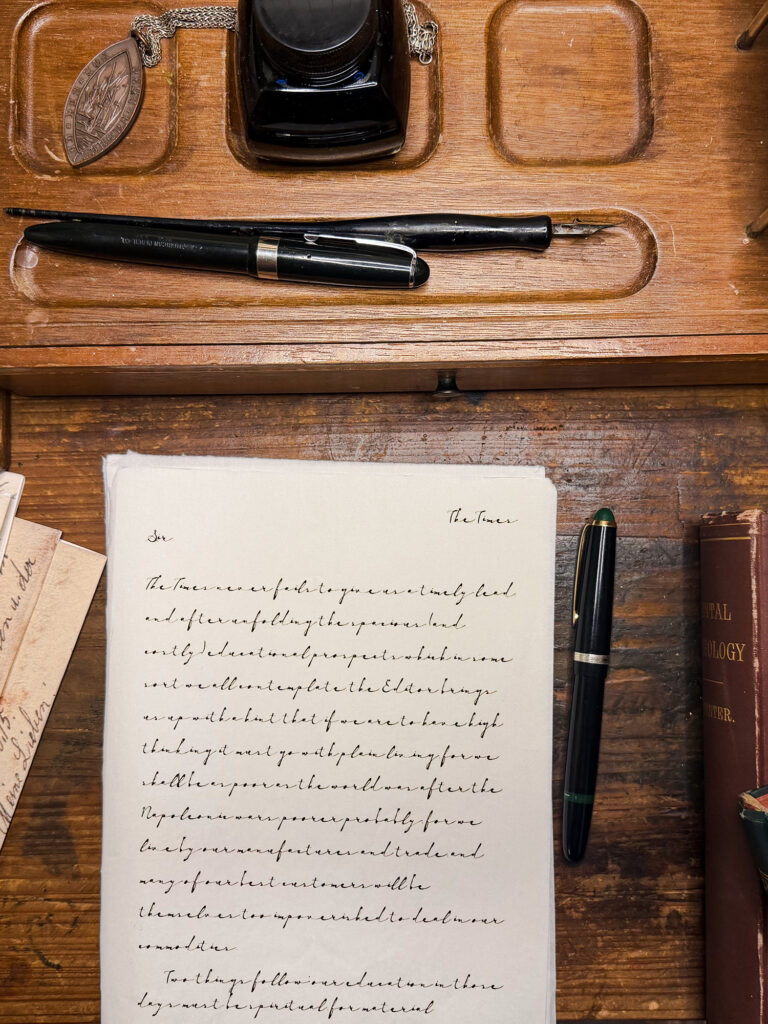
This past summer I opened the 1917 volume. It wasn’t long before I found what I was looking for. A letter from Charlotte Mason to The Times. And then another. And then another.
Charlotte Mason wrote to The Times because she had something she wanted to say to all of England. Actually I think she wanted to say it to us too. That’s why we’ve transcribed it and recorded it. The first letter is available today. Find a message from Miss Mason that you’ve never heard before here.
@artmiddlekauff
April 22, 2026
Do you believe in the power of poetry?
In high school I had an unconventional English teacher, much like the one portrayed by Robin Williams in Dead Poets Society. He captivated us with his recitations and poetry became as essential as air.
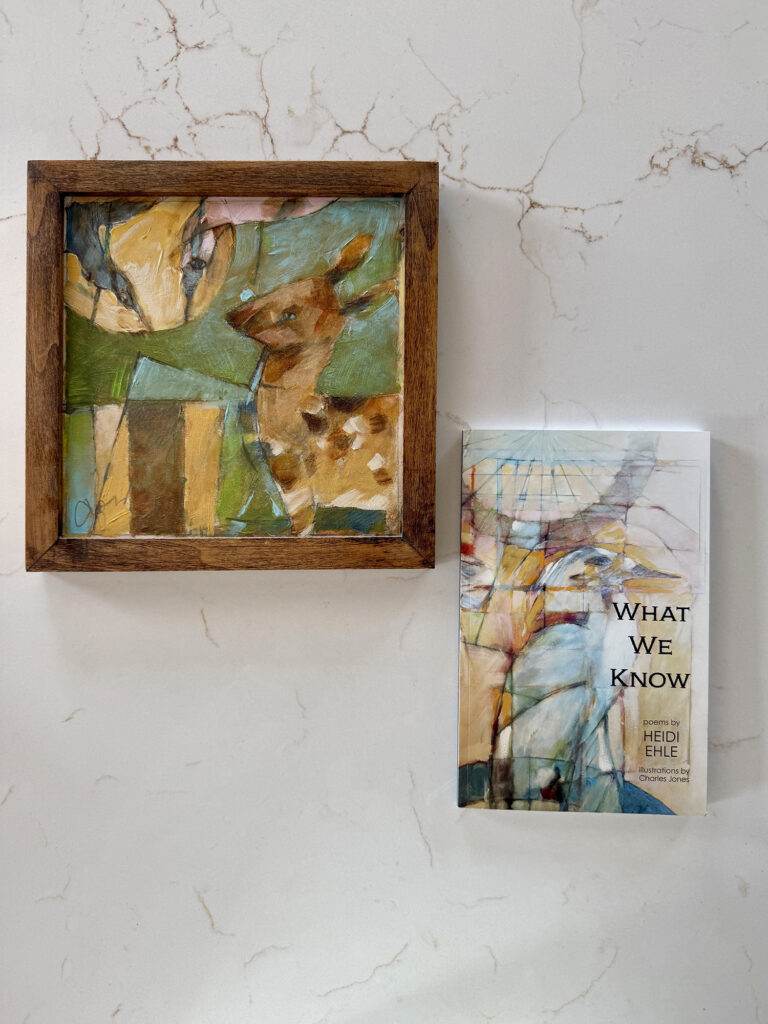
I’m currently wallowing in What We Know by Heidi Ehle. The cover illustration by artist Charles Jones stopped me in my tracks, but the words of the poet held me there.
“Poetry is, perhaps, the most searching and intimate of our teachers… Poetry, too, supplies us with tools for the modelling of our lives, and the use of these we must get at for ourselves. The line that strikes us as we read, that recurs, that we murmur over at odd moments-this is the line that influences our living…” (Volume 4, Book II, p. 71).
@rbaburina
April 23, 2026
“How interesting Arithmetic and Geometry might be if we gave a short history of their principal theorems,” wrote Charlotte Mason, quoting Alfred Fouillée. “Great theories instead of being lifeless and anonymous abstractions would become living human truths each with its own history like a statue by Michael Angelo or like a painting by Raphael.”
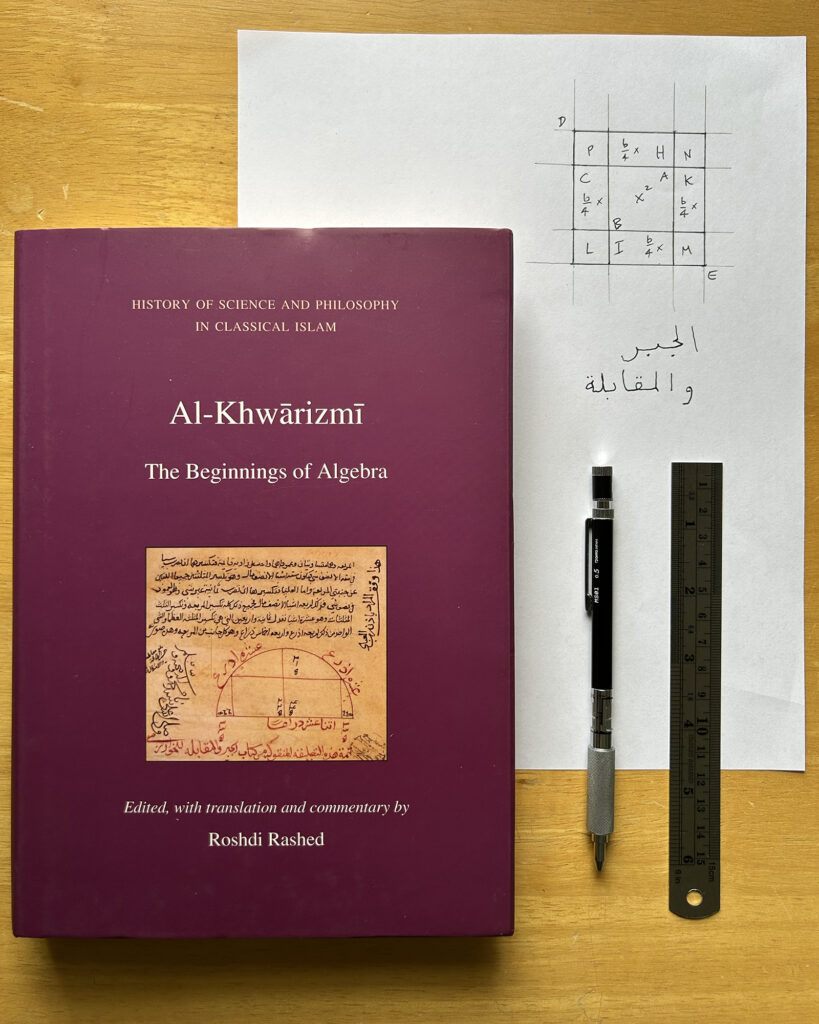
I am currently experiencing what Fouillée describes as being “present at the labours” of a great mathematician. It’s happening as I read Roshdi Rashed’s fascinating Al-Khwārizmī: The Beginnings of Algebra, which includes a fresh translation and transcription the 9th-century book by al-Khwārizmī which gave algebra its name.
Rashed explains just how significant this work was: “Algebra in fact made possible something that until then had been inconceivable: to extend the use of mathematical disciplines from one to another, thus giving rise to new subjects… One major consequence of these applications was a fundamental reorganisation of the structure of mathematics as a whole, whose components could no longer be fitted within the famous quadrivium” (p. vii).
How many mathematicians have prompted “a fundamental reorganisation of the structure of mathematics as a whole”? Not many, and it is exciting to read the story of one. It is not just history, though. It is also math. Al-Khwārizmī justified his algorithm by pointing to a square. And a square might just be the best way to learn it.
@artmiddlekauff
April 24, 2026
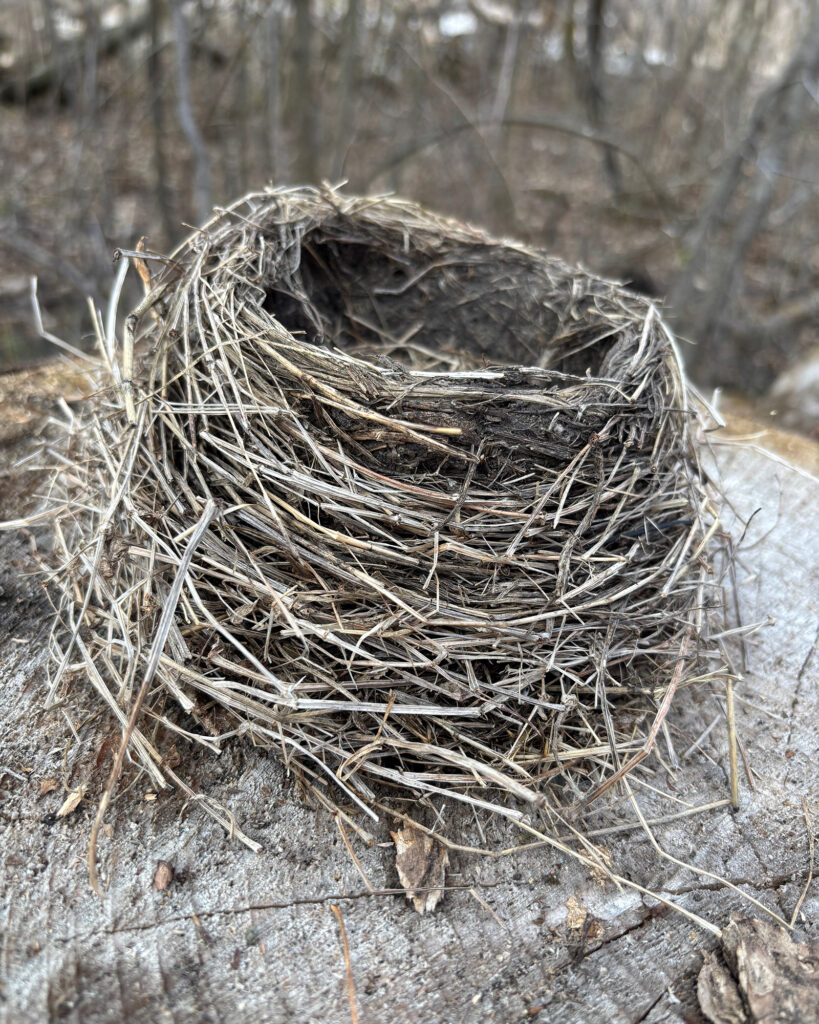
This robin’s nest overwintered in a sheltered spot up high under our porch. In fall, when the fledglings flew away, we figured we would leave it there in case someone wanted to “rent” it this year.
And then, a massive gust of April wind knocked it down.
Now we’re not sure what to do with it.
Do robins reuse their nests?
Will some other bird use it?
Will birds come and gather construction supplies from it?
Should we stick it back up where it was, or move it to a nearby tree, and see what happens?
@antonella.f.greco
April 25, 2026
Flip through my nature journal this past month.
@rbaburina
April 26, 2026
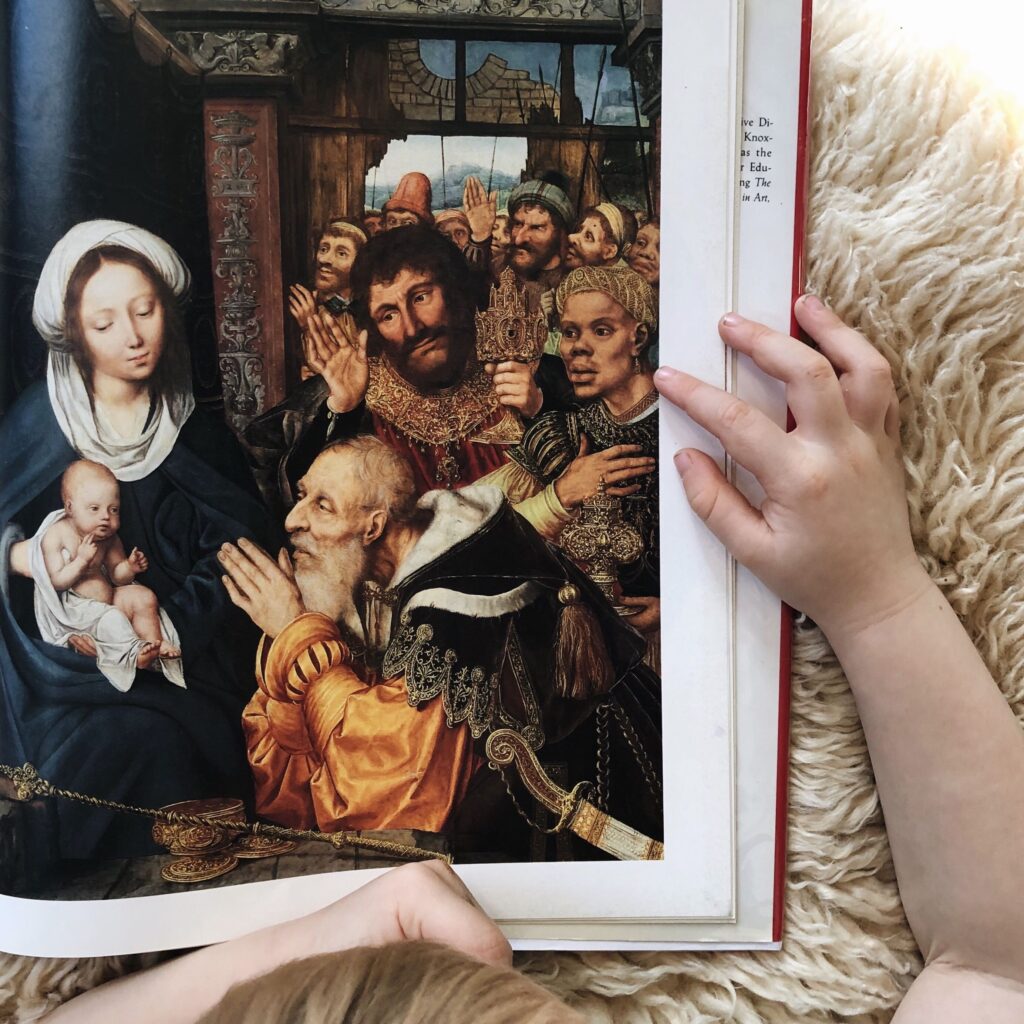
Epiphany is “one of the oldest festivals of the Christian Church.” Before there was Christmas, Epiphany “ranked with Easter and Pentecost as one of the three principal festivals of the Church.” In the Western Church, Epiphany “became associated with the manifestation of Christ to the Gentiles in the person of the Magi,” and that was how it was understood by Charlotte Mason. In her poetry, however, she sought to advance a “whole conception of Christ’s life among men.” Rather than treat the event of the Magi in isolation, she presented its connection to the overall mission of our Lord:
The myrrh of suffering, frankincense of prayer,
And regal gold; for these three men were wise,
And knew how He they worshipped should go forth
To suffer, teach, and pray, to rule—a King.
Read or hear Miss Mason’s poem here.
@artmiddlekauff