The CMP Review — Week of June 1
June 1, 2026
](https://charlottemasonpoetry.org/wp-content/uploads/2026/06/CMPR-2026-06-01-768x1024.jpg)
“From the parent’s point of view, in teaching one’s own children there is much to be gained—more time spent in company with the children, an extraordinarily interesting occupation, a widening of one’s own intellectual outlook as one is kept in constant contact with all the best thought of all time, and, in short, a thoroughly happy existence.” (Brown, The Parents’ Review, Vol. 41, p. 291)
@tessakeath
June 2, 2026
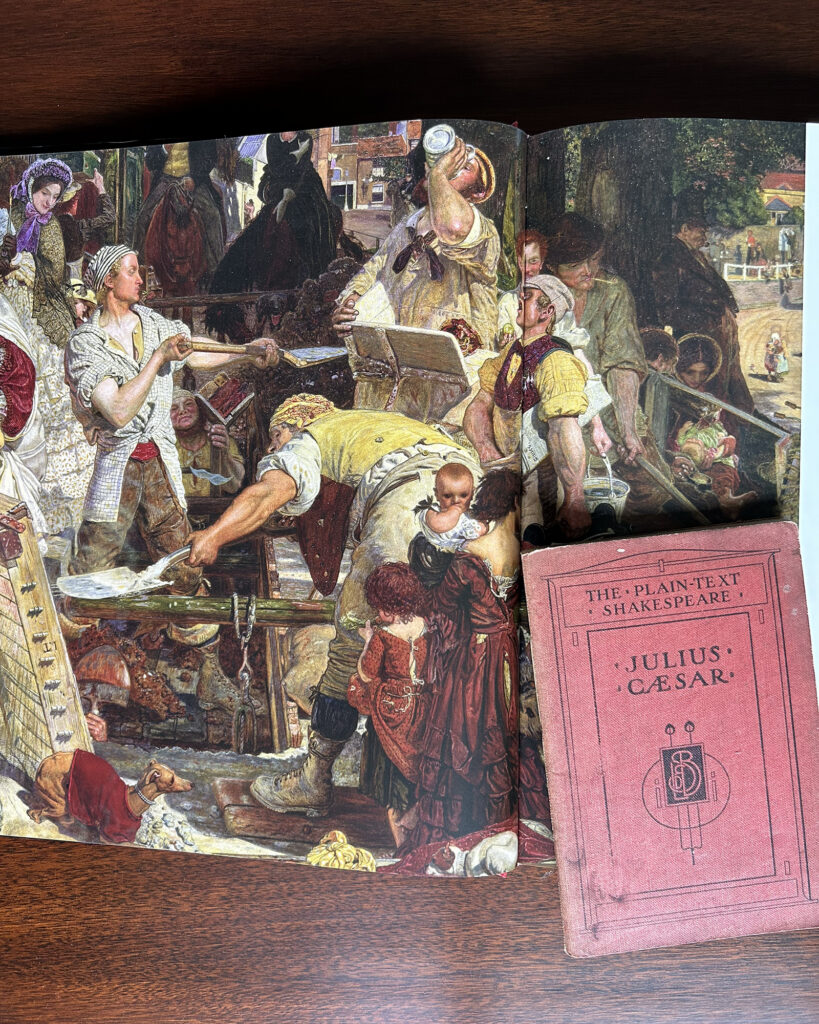
H. W. Household was an ardent supporter of Charlotte Mason, but when he spoke on the grounds of the House of Education itself in May 1922, he was more impassioned than ever.
Household believed that all children of whatever class deserved a liberal education. He wanted rural children and urban children, children of labour and children “of capital” to have free access to books and knowledge. And he was determined to “call into alliance the new champion whom we have found—Miss Mason.”
What made Miss Mason his champion?
In his writings and speeches he offered many reasons, but in today’s piece he focused on this key idea: “In the schools that Miss Mason has inspired English has come into its place.” Mason championed not only a liberal education for all; she also championed English literature.
The occasion of Household’s address may have been the last time he and Mason were able to meet together in person. His words were reported in the July 1922 Parents’ Review. And in addition to describing and endorsing Mason’s approach to English literature, he made a rare and brief comment about another leading educationalist, but one whom he declined to embrace — one Madame Montessori.
Household’s historically significant talk is replete with ideas still applicable today. Sadly, however, it has never been available on the internet. Until today. Now you can read it or hear it in the warm and expressive voice of Greg Rolling here.
@artmiddlekauff
June 3, 2026

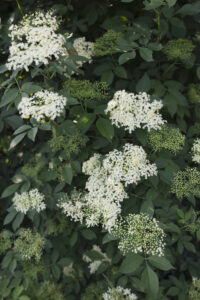
It’s elderflower season, so that means elderflower syrup. Which means elderflower soda and all sorts of refreshing summer things.
As tempting as it is to gather every blossom in sight (their fragrance is heavenly), I try to leave plenty behind—for the pollinators now and the elderberries to come. Hopefully, I’ll be back in a few months to harvest the berries for elderberry syrup.
One season leading naturally into the next.
@rbaburina
June 4, 2026
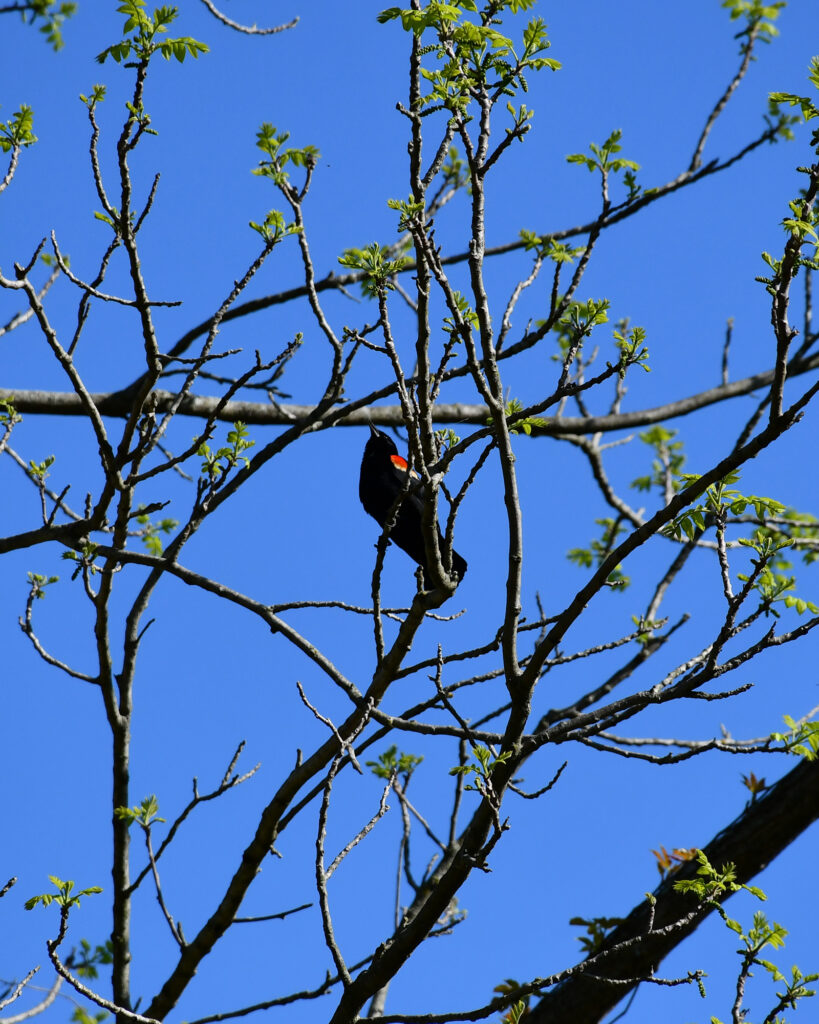
“Most important where the quality of your life is concerned, this imaginary ramble shows that by choosing to focus on something specific—birds, and certain ones at that—you had a very particular experience in the park.
“If you had paid rapt attention to flora rather than fauna, or to thinking over a personal problem or chatting with a companion, your time there would have been very different. Moreover, by attending to any of these deliberately selected targets, or even making a conscious decision to ‘veg out’ for a spell, you would have had a far better experience than many of us have much of the time, captured by whatever flotsam and jetsam happens to wash up on our mental shores.
“In short, to enjoy the kind of experience you want rather than enduring the kind that you feel stuck with, you have to take charge of your attention.”
— Winifred Gallagher, Rapt: Attention and the Focused Life
@artmiddlekauff
June 5, 2026
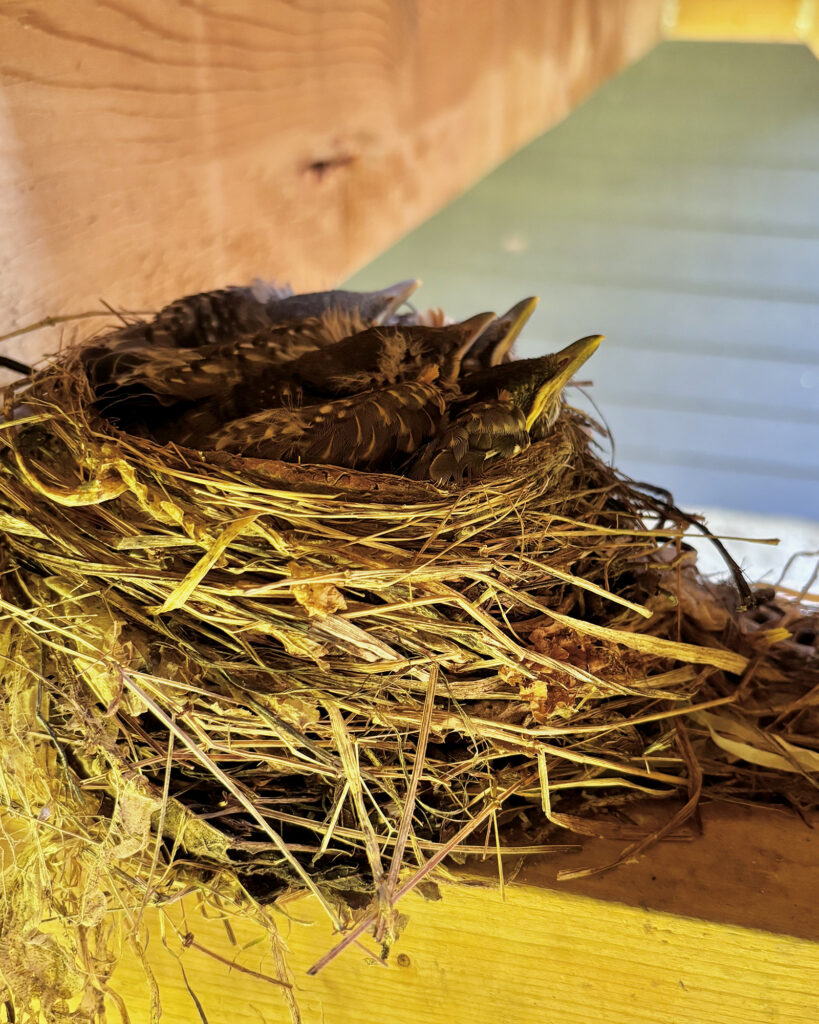
They are growing larger and more cute by the day, and they look almost ready to fly! Two weeks ago, they were still nestled in their eggs!
@antonella.f.greco
June 6, 2026
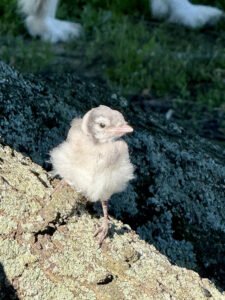
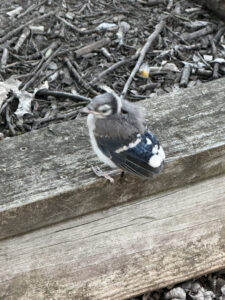
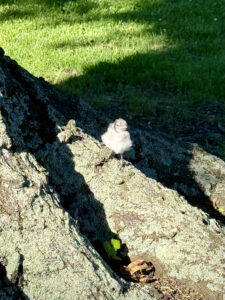
Look at this adorable blue jay fledgling!
For the past few days, I’ve watched its venture from the nest while the parents call from nearby branches.
It reminds me of Charlotte Mason’s idea of “masterly inactivity”—the art of holding back. Not neglect, but the quiet discipline of resisting the urge to intervene, rescue, or over-direct, while remaining present and watchful through the wobbly business of learning to fly.
@rbaburina
June 7, 2026
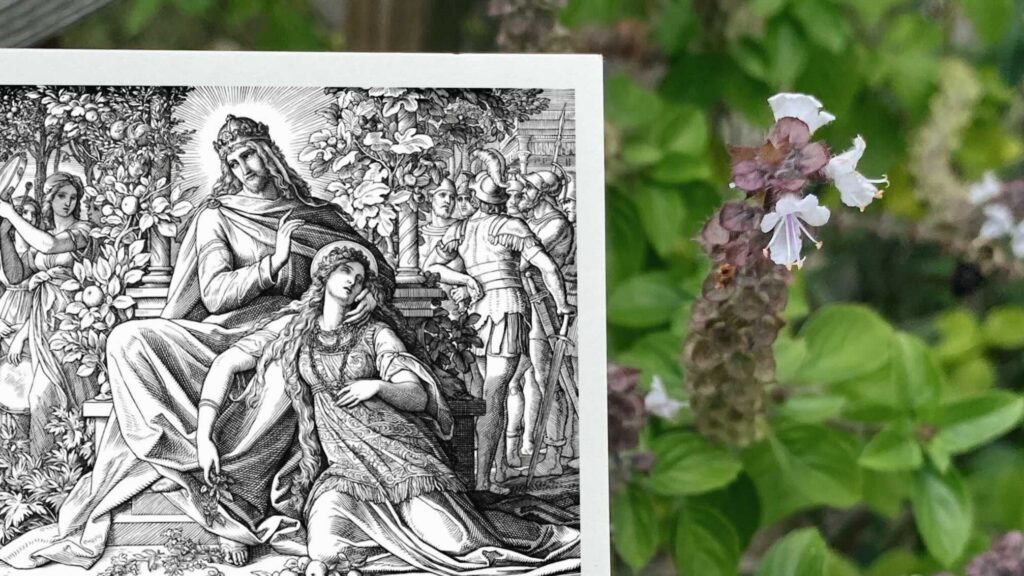
“The Christological dogma … is a product of the spirit of Hellenism on the soil of the Gospel.” Or so claimed Adolf von Harnack.
It’s a view that has been held by thinkers other than Harnack. And it’s a view that one scholar spent a lifetime refuting. That scholar is Oskar Skarsaune, professor of church history in Oslo, Norway.
Skarsaune’s powerful case may be found in his 2008 magnum opus entitled In the Shadow of the Temple. In this critically acclaimed book he examines, among other topics, the Christology of the Nicene Creed. And after presenting his mass of evidence, he states categorically, “It goes without saying that a Christology like this could only arise in a Jewish setting among disciples steeped in the Old Testament and Jewish categories of thought.”
How can this be? “Let us begin with an observation on the typical Hellenistic reaction to the dogma of the incarnate Son of God,” he writes. “The available evidence shows … that most Hellenists reacted with disgust and contempt at the very idea of a divine incarnation… And that means that the Christian doctrine of the incarnation can hardly be the product of a milieu—the Hellenistic—that regarded this doctrine as a philosophical and theological monstrosity.”
On the contrary, Skarsaune shows that the only thought-pattern for orthodox Christology is found in the Old Testament. Specifically, the Wisdom tradition of Proverbs 8. “If we take a new look at the creed of Nicaea,” he writes, “we observe that … the creed is a simple paraphrase of biblical sayings about Jesus as Wisdom. When … the Nicene Creed says that the Son is born from the Father ‘before the ages,’ that is an encapsulated version of Proverbs 8:22–31.”
Charlotte Mason knew her Bible and she knew this truth. In today’s poem she did not look to the spirit of Hellenism to explain the God who was man. Rather, she elaborated the Hebrew poetry of Proverbs 8. And she mentioned only one other verse: 1 Corinthians 1:24; “unto the Greeks foolishness; But unto them which are called, … Christ the power of God, and the wisdom of God.”
Read or listen to the poem at the link that unites Creed and Scripture, Old Testament and New. Find it here.
@artmiddlekauff
🖼️: Solomon and Lady Wisdom by Julius Schnorr von Carolsfeld