The CMP Review — Week of May 18
May 18, 2026
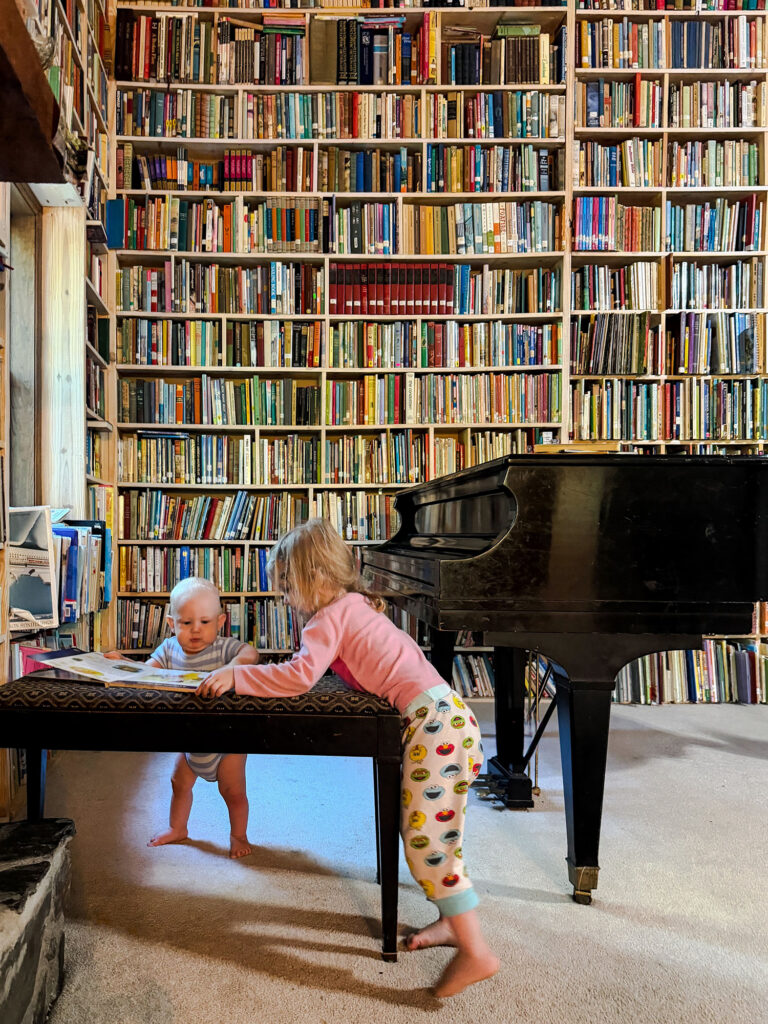
“Literature, art, music, all three can begin to be learned in the nursery. All three are a great possession, a possession for life. When the clouds of life drift about your children, these three will lead them through the mists to the mountain tops, and there they will find that the sun they had thought obscured is always shining in the Eternal Heavens.” (V. M. Hood, “Reading in the Nursery”, PR28, p. 532)@tessakeath
May 19, 2026
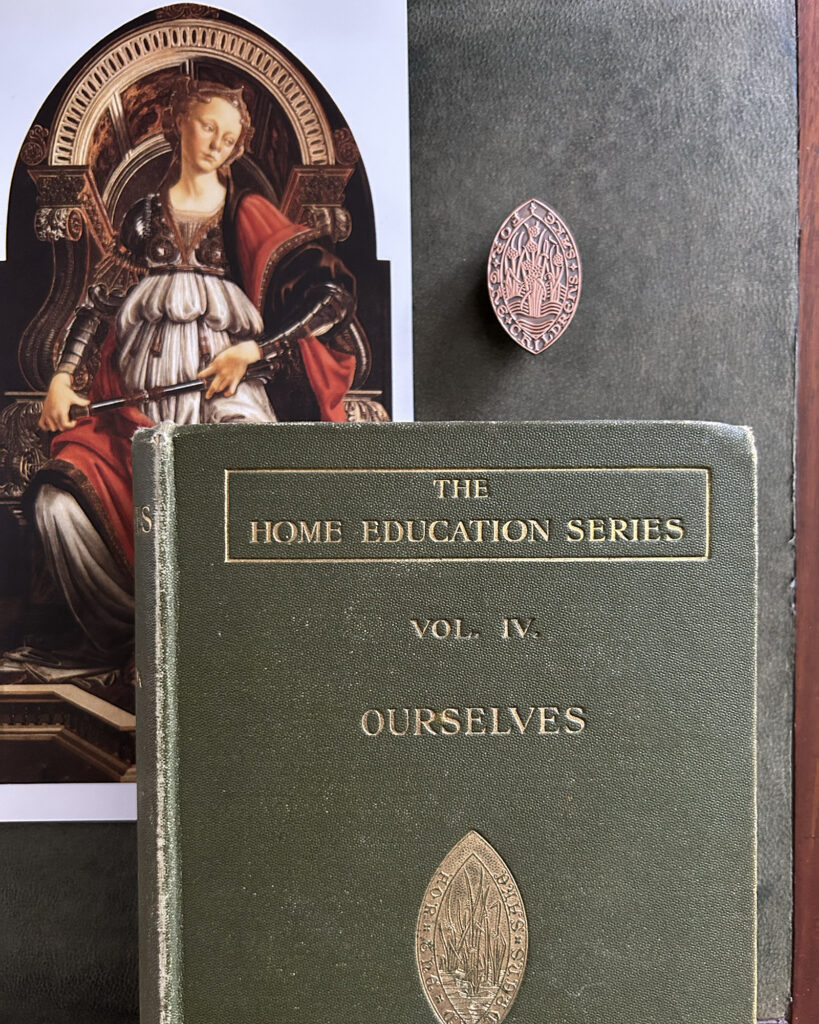
In the Idyll Challenge we tend to have interesting conversations about the second-to-last chapter of volume 5, entitled “Better-than-my-neighbor.” In this chapter, Miss Mason quotes Plutarch as saying that “philosophy must be put first in all education.” She then adds this commentary:
The functions which Plutarch claims for philosophy we ascribe to religion, and by so doing we place life on a higher level. There is this fundamental difference between the two: while philosophy instructs, religion both instructs and enables. But it is a question whether that science of life or art of living which philosophy should teach had not better be made a distinct study, with its own methods, classifications, rules of progress, under the sanction of religion, and tried at every step by a religious standard.
Often people ask: how would we go about making “that science of life or art of living” a “distinction study” in our homeschools and school? Mason gifts some general parameters (starting on p. 385) but is perhaps not quite as specific as some would like her to be.
I believe that her student, Rose Amy Pennethorne, gave the more precise answer many are looking for. It was the content of her address to the 33rd Annual Conference of the PNEU in London in the summer of 1921, reprinted in the September Parents’ Review. Read or hear it here.
@artmiddlekauff
May 20, 2026

From “There’s no such thing as Charlotte Mason math” to becoming an award-winning curriculum, The Charlotte Mason Elementary Arithmetic Series from Simply Charlotte Mason has come a long way.
I’m thrilled to share that the series has been recognized in the 2026 Practical Homeschooling Reader Awards — meaning it was voted on by the people actually using it.
And though the Elementary series is complete, the journey continues with the Junior and Senior series.
If you’d like to learn more about Charlotte Mason math, be sure to visit our Math Resources page.
@rbaburina
Image Credit: @aolander
May 21, 2026
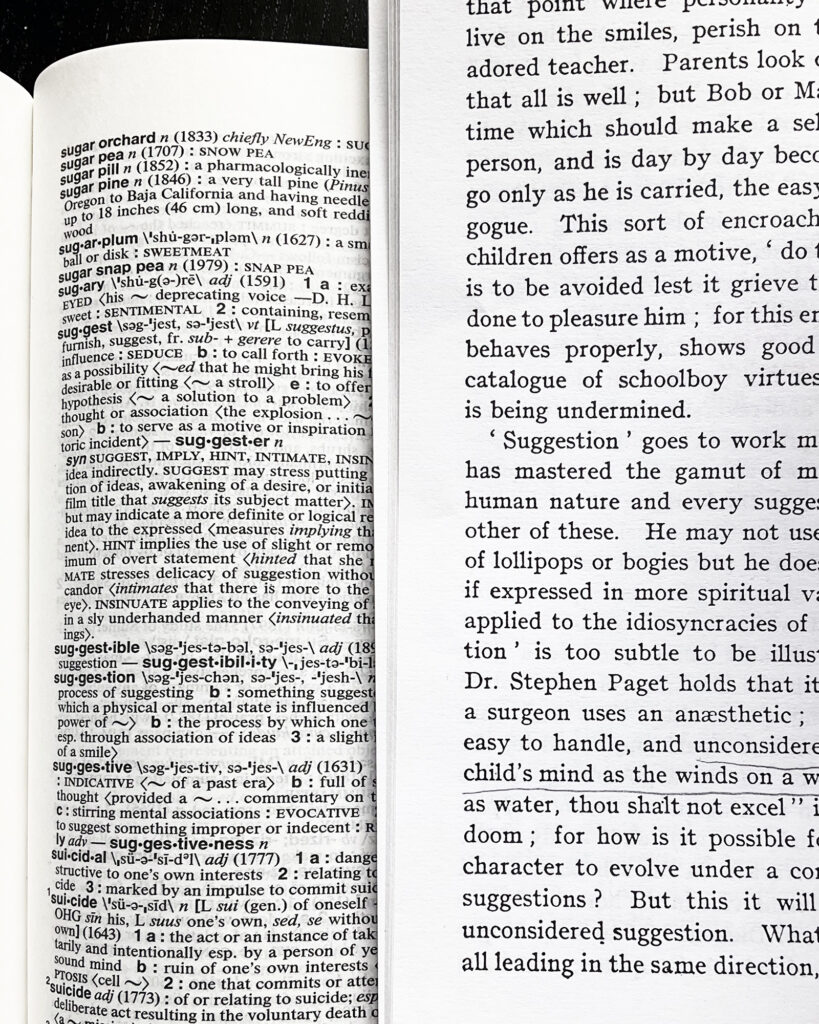
“I want to know what suggestion is, so that I can avoid it.”
This was the gist of an Idyll Challenge question that was prompted by Miss Mason’s stern warnings about suggestion in chapter 5 of volume 6. If we look at the dictionary definition (Concise Oxford English Dictionary), however, suggestion doesn’t seem to be so bad:
suggestion: an idea or plan put forward for consideration
A teacher apparently had this definition in mind when, according to Elsie Kitching, she wrote, “What is the harm of suggestion? … Don’t we all ‘suggest’ when we give children new ideas?”
To which Mason reportedly replied, “I think we may give the children the inspiration of great ideas; indeed we must do so…”
Suggestion in this first sense is fine. The harm is revealed by the fourth definition in the Oxford Dictionary:
suggestion: the influencing of a person to accept a belief or impulse uncritically
It turns out this is what Mason was warning against:
“… but we must not try to frame their minds towards those ideas.” Instead of,—‘is it not lovely to begin lessons?’ would it do to say, ‘we all want to learn a great deal and the time has come for you to begin’… Instead of, “Of course you can carry this cup of tea—I should leave out the ‘of course you can,’ and say brightly ‘pass it without spilling.’ … The point in each case being that no appeal should be made to the child’s subjective consciousness; let him think out—beyond!”
We don’t have to be experts in psychology or hypnotism to utilize suggestion to influence behavior. But we do have to be respecters of the sacredness of personality to avoid it.
@artmiddlekauff
May 22, 2026

There’s just something about tulips.
They are the breathtakingly beautiful signs of spring in Canada!
@antonella.f.greco
May 23, 2026
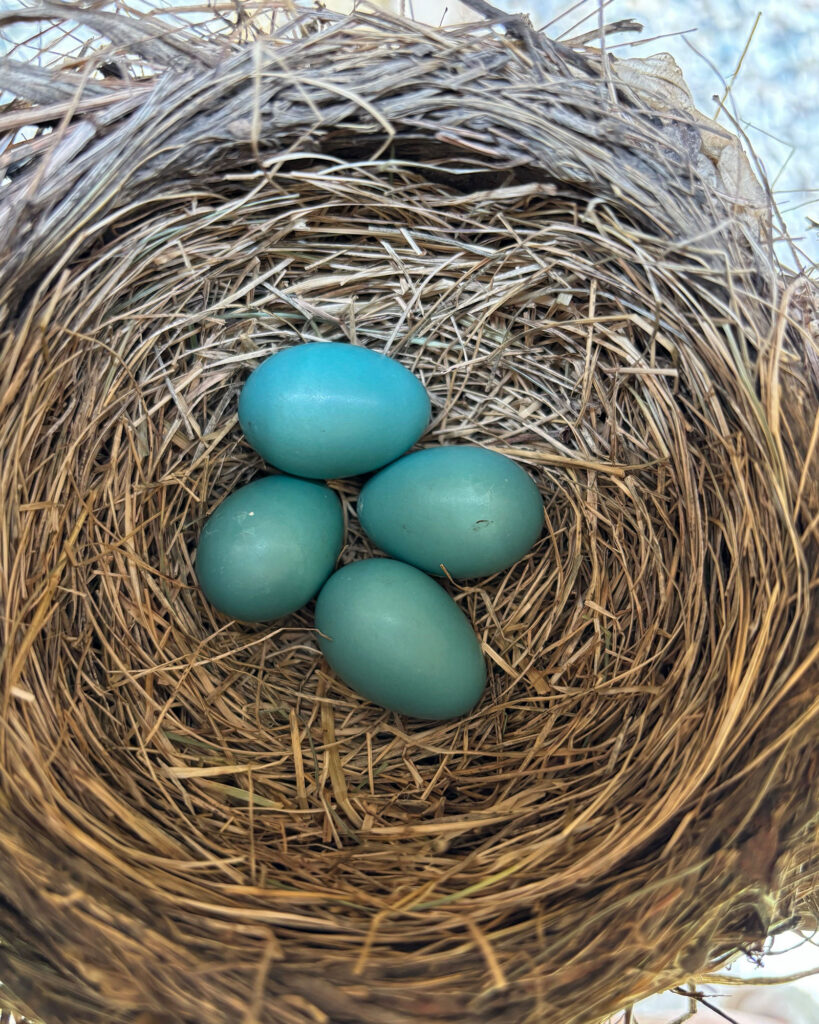
The robins built a new nest under my deck and look at their sweet eggs!
Hopefully all four hatch, like they did last year!
@antonella.f.greco
May 24, 2026
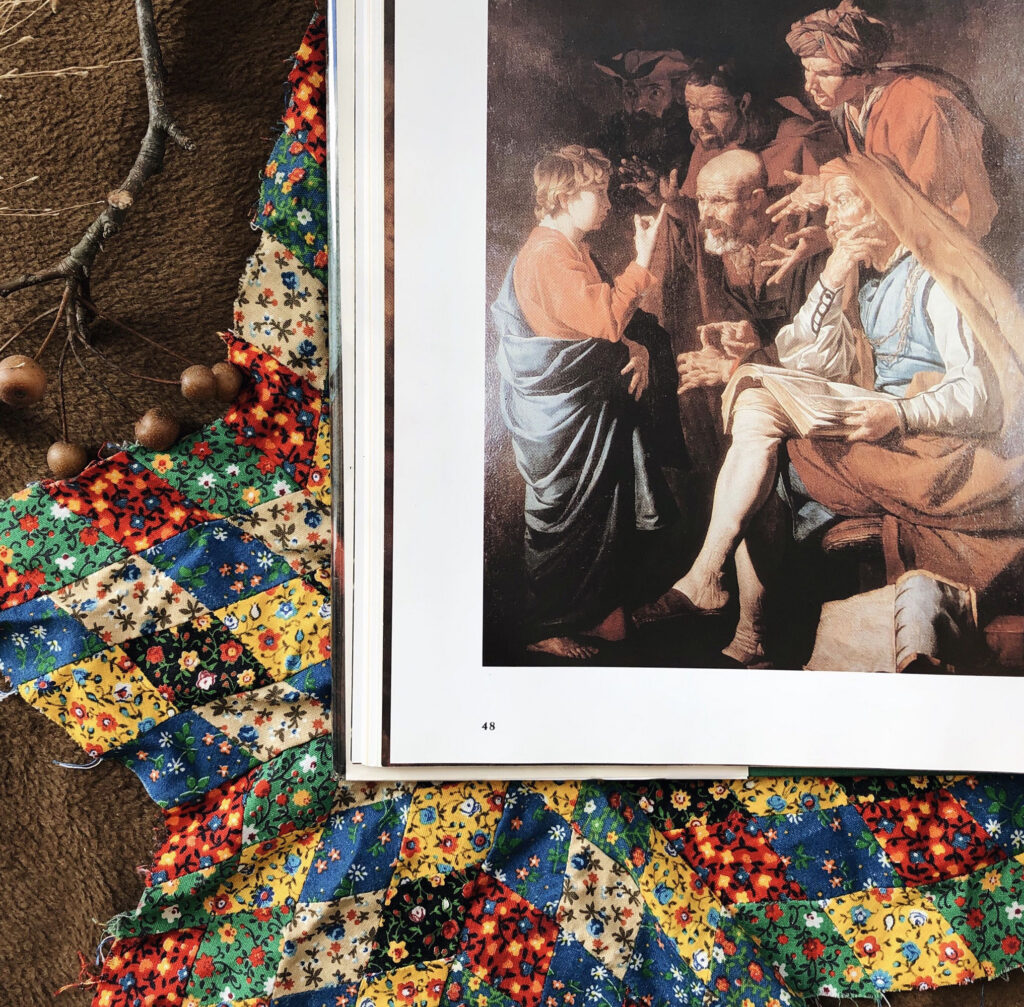
In her introduction to the The Saviour of the World poetry volumes, Charlotte Mason wrote, “We are at present in a phase of religious thought, Christian or pseudo-Christian, when a synthetic study of the life and teaching of Christ may well be of use.” By “synthetic,” she meant “a whole conception of Christ’s life among men.” She believed that if such a presentation could be achieved, “the Son of Man, lifted up, would draw all men unto Himself.”
Our poem for today is based on Luke 2:41-52. This is the remarkable story of Jesus’ visit to the temple at age 12. But wait till you read Mason’s poetic meditation on this story. It is truly a “synthetic study.” With Charlotte Mason’s poetry, join Christ in His boyhood journey to Jerusalem. As you read, may “the Son of Man, lifted up,” draw you unto Himself. Find it here.
@artmiddlekauff